

Gulf Engagement as Russia Offers Regional Security Framework
Kuwait joined its Gulf partners in pressing for regional security and diplomatic engagement at talks with Russia in Bahrain, where Sergey Lavrov proposed a new framework for Gulf security as Moscow reported a 45 per cent rise in trade with GCC states in 2025.
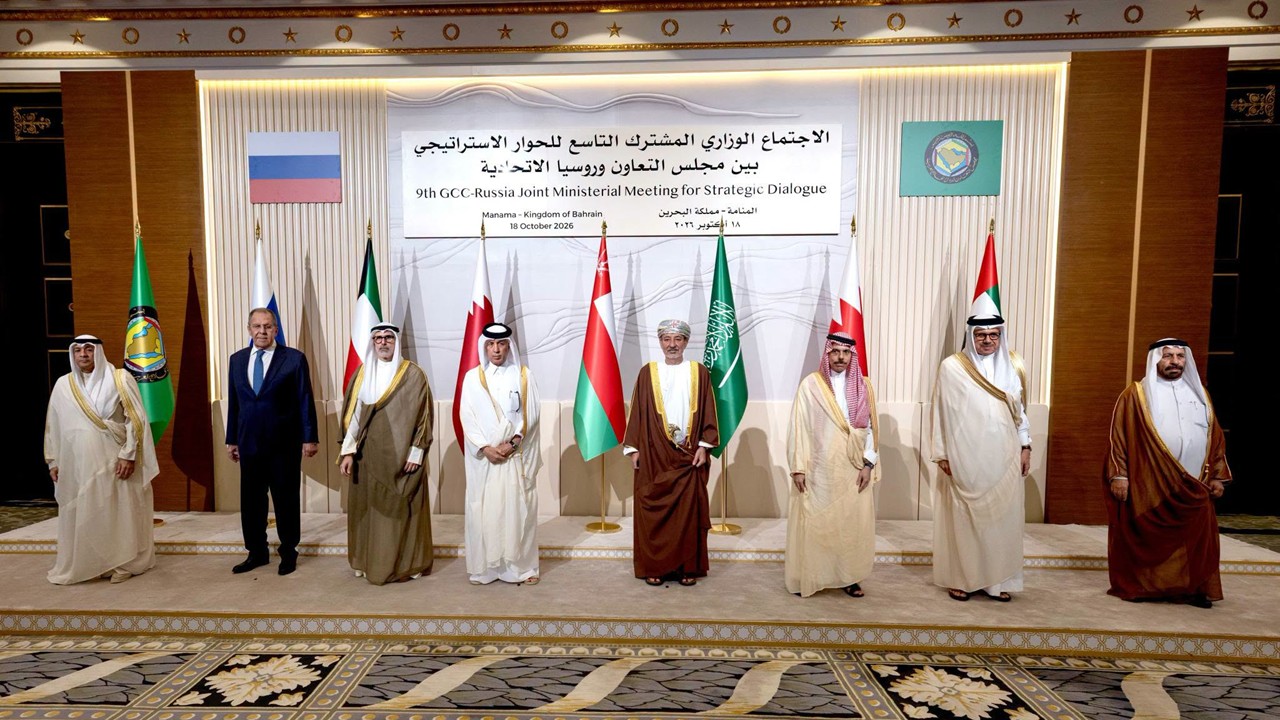
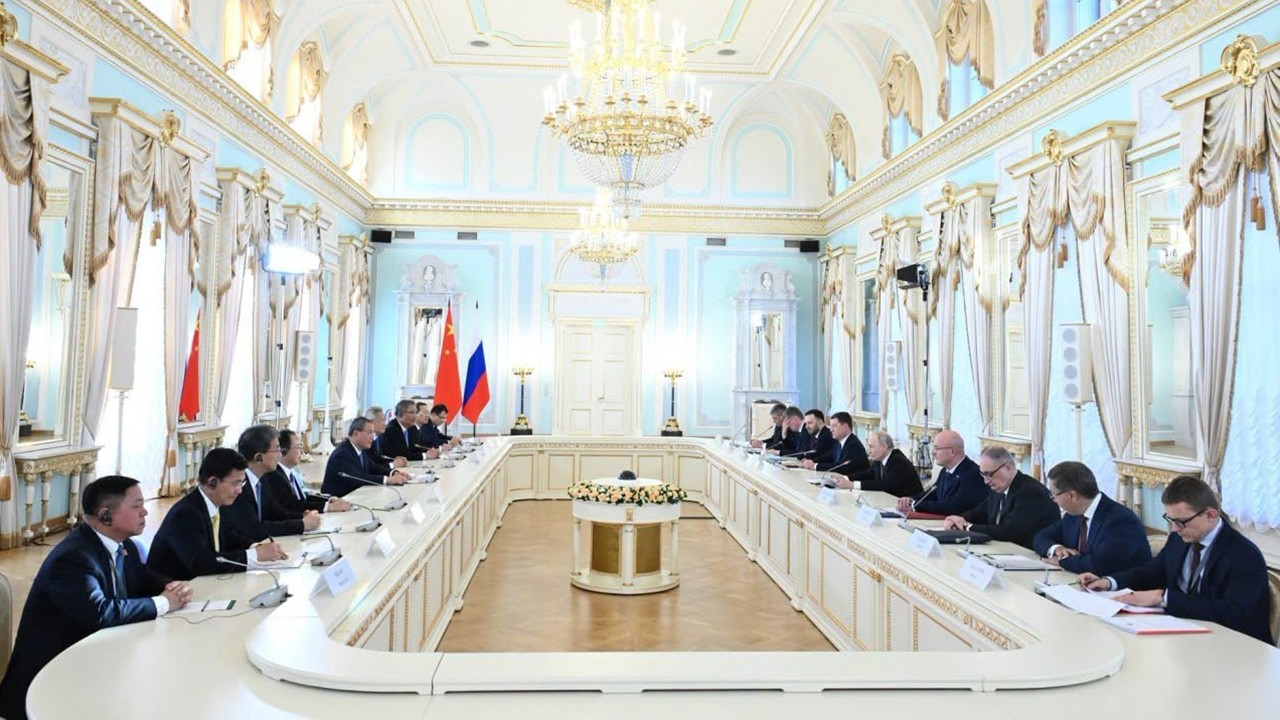
MANAMA — Kuwait’s Foreign Minister Sheikh Jarrah Jaber Al-Ahmad Al-Sabah led his country’s delegation to the ninth Gulf Cooperation Council (GCC)-Russia Strategic Dialogue in Bahrain, where regional security, relations with Iran and economic cooperation featured prominently in discussions with Russian Foreign Minister Sergey Lavrov.
The meeting, held in Manama on October 18, brought together foreign ministers from the six GCC member states — Bahrain, Kuwait, Oman, Qatar, Saudi Arabia and the United Arab Emirates — and Russia to discuss ways to strengthen political and economic relations amid mounting regional tensions.
While Kuwait headed its national delegation, the meeting took place under Bahrain’s chairmanship of the GCC Ministerial Council, with Bahraini Foreign Minister Dr Abdullatif bin Rashid Al Zayani presiding over the Gulf side’s engagement.
The talks went beyond the traditional emphasis on friendship and economic cooperation. According to reporting by The National, the GCC urged Moscow to use its relationship with Tehran to press Iran to comply with United Nations Security Council Resolution 2817 and halt attacks against Gulf states. The Gulf countries also called for their involvement in any negotiations or arrangements affecting their security, including those concerning Iran’s nuclear and missile programmes.
The request places Russia in a delicate diplomatic position. Moscow maintains close ties with Tehran while seeking to deepen its political, economic and security relationships with the Gulf monarchies. Its ability to engage both sides gives it a potential diplomatic channel, although the extent to which it can influence developments remains uncertain.
Lavrov presented an updated Russian concept for collective security in the Gulf, advocating direct dialogue between the region’s coastal states and neighbouring countries, including Iraq and Jordan. The proposal could involve support from the Arab League, the Organisation of Islamic Cooperation and permanent members of the UN Security Council.
Lavrov said Gulf countries should have the decisive voice in determining regional security arrangements. He also called for diplomatic efforts to prevent a return to full-scale conflict and restore maritime traffic through the Strait of Hormuz.
The waterway is strategically important to global energy markets and international shipping. Any prolonged disruption could affect oil and gas supplies, freight costs and trade flows well beyond the Middle East. The GCC’s concerns also extend to the Strait of Bab al-Mandab and the Red Sea, which form part of critical maritime routes connecting Asia, the Middle East and Europe.
Economic ties underpin the strategic dialogue
Trade provides a further incentive for both sides to maintain regular engagement. Lavrov said trade turnover between Russia and GCC member states increased by 45 per cent in 2025, according to The National and Anadolu Agency.
Although the reported increase points to expanding commercial links, the figure does not by itself establish the total value of trade or the distribution of business between Russia and individual GCC economies.
The relationship encompasses energy, agriculture, food security, investment, education, healthcare and technology. These sectors are also covered by the GCC-Russia Joint Action Plan for 2023–2028, which seeks to translate political dialogue into practical cooperation.
The plan, adopted following the sixth joint ministerial meeting in Moscow in July 2023, calls for an improved environment for trade and investment, stronger energy supply chains and greater cooperation in renewable energy, green hydrogen, peaceful nuclear energy and energy efficiency. It also encourages agricultural cooperation and exchanges of expertise to support food security.
For Russia, stronger Gulf partnerships offer opportunities to expand commercial relationships with some of the world's major energy producers and capital markets. For GCC states, engagement with Moscow provides another diplomatic and economic channel as they diversify international partnerships and pursue investment and development programmes.
However, the relationship also involves competing interests. Russia's position on regional conflicts, its relationship with Iran and disagreements among international powers over security arrangements can complicate cooperation. The latest meeting demonstrated that economic engagement does not remove the need to address these political differences.
Regional diplomacy remains central
The ministers also discussed the Palestinian issue, developments in Syria and the Russia-Ukraine war, according to reporting on the Manama meeting. The discussions reflected the GCC's wider diplomatic approach of maintaining channels with major international actors while seeking to protect its own security and economic interests.
The strategic dialogue dates to a memorandum of understanding signed in Abu Dhabi in November 2011. Since then, successive ministerial meetings have provided a regular platform for the GCC and Russia to exchange views on international developments and pursue cooperation across political, commercial and humanitarian fields.
The ninth meeting comes at a time when maritime security, energy supply resilience and regional conflict management have become closely interconnected. For Kuwait and its GCC partners, the challenge is to turn engagement with Moscow into practical diplomatic outcomes while ensuring that Gulf security concerns remain central to any broader regional settlement.
The meeting's significance will ultimately depend on whether the renewed dialogue produces measurable progress on regional de-escalation, maritime security and economic cooperation, rather than simply reaffirming the importance of bilateral relations.