Marriott Report Signals Shift Towards Local Flavours
Marriott International’s Future of Food 2027 report identifies authentic local cuisine, shorter fine-dining experiences and flexible social spaces as key forces reshaping hospitality, while wellness, plant-forward menus and non-alcoholic beverages gain prominence.
SINGAPORE — Authentic local cuisine is emerging as the strongest dining trend across Asia Pacific, with hotels and restaurants rethinking menus, dining spaces and guest experiences to reflect changing consumer preferences, according to a new report by Marriott International.
The hotel group’s Future of Food 2027: The Rise of Place report examines food and beverage trends across Asia Pacific, excluding China, drawing on insights from chefs, hospitality experts, regional influencers and Marriott properties.
The findings point to a shift away from standardised dining experiences towards food that reflects local culture, ingredients and culinary traditions, alongside more flexible settings that encourage social interaction.
Some 95% of surveyed properties identified demand for authentic local signature dishes as the biggest trend in their markets. Four in five properties also introduced new local ingredients over the past year, while nearly three-quarters reported more frequent use of local ingredients in beverage menus.
Petr Raba, vice-president of food and beverage for Marriott International in Asia Pacific excluding China, said hotels were increasingly becoming cultural storytellers by incorporating regional talent, locally sourced ingredients and authentic connections into their dining experiences.
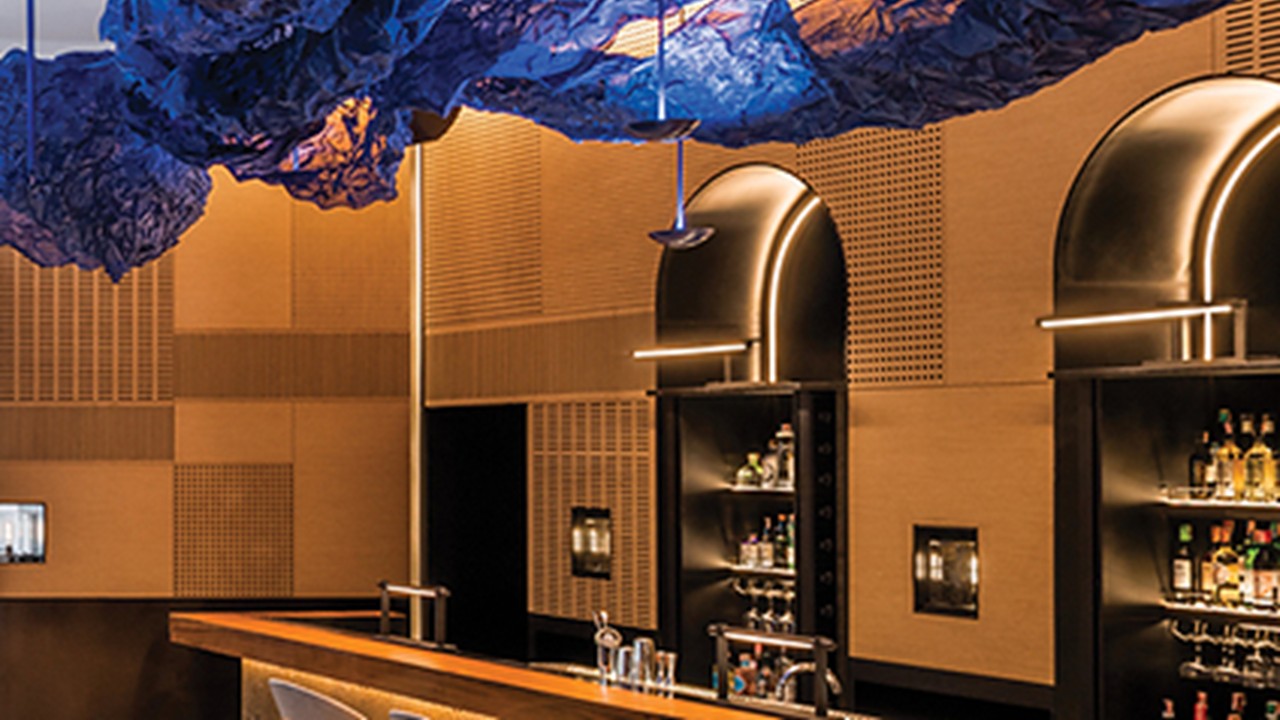
The shift is also changing the way hotel restaurants are designed and operated, with guests increasingly moving between bars, lounges, counters and outdoor settings rather than remaining within traditional formal dining environments.
Nearly half of the surveyed properties reported growing demand for casual dining venues, while smaller concepts with seating for 40 to 60 people are gaining traction as operators seek to create more distinctive and intimate experiences.
In Vietnam, 71% of surveyed properties reported growth in bar and lounge dining. In Thailand, all surveyed restaurants and bars reported using artificial intelligence in their operations, with applications ranging from menu development and marketing to staffing and guest insights.
Fine dining adapts to shorter experiences
The report also highlights a shift towards shorter fine-dining experiences, with restaurants placing greater emphasis on memorable dishes and service rather than lengthy tasting menus.
Across the region, 58% of surveyed properties reported that average fine-dining experiences lasted between 1.5 and two hours. In Singapore, 85% of restaurants reported an average dining duration of 1.5 hours.
Operators are responding by simplifying menus, offering more à la carte choices and reducing the number of courses while preserving the quality and distinctiveness of the experience. In South Korea, one in five establishments had reduced their course counts, while 30% of fine-dining restaurants in the Philippines had introduced à la carte menus.
The trend reflects changing expectations among diners who increasingly value flexibility and carefully curated experiences over the traditional multi-hour format.
Wellness and plant-forward dining gain ground
Health and wellness are becoming more prominent considerations in hotel food and beverage operations. The report found that 97% of surveyed Marriott properties across Asia Pacific excluding China served dishes associated with health and longevity.
The trend extends beyond restaurant menus to healthier minibar options and wellness-focused in-room experiences, reflecting the growing integration of food into broader travel and wellbeing preferences.
Plant-forward dining is also gaining momentum. Marriott plans to introduce its APEC Plant-Forward Program across the region in 2027, embedding plant-forward dining more permanently into its food and beverage operations.
Meanwhile, demand for alternatives to alcoholic drinks is becoming more established. Some 42% of surveyed Marriott restaurants and bars reported increased sales of non-alcoholic beverages, suggesting that alcohol-free options are becoming a more important part of hospitality offerings.
The report also identifies texture and mouthfeel as increasingly important elements of menu development, alongside flavour, presentation and sensory appeal.
Taken together, the findings suggest that the future of hotel dining will depend on combining local culinary identity with adaptable spaces, more personalised service and operational technology.
For hospitality operators across Asia Pacific, the challenge is to deliver experiences that feel distinctive to their destinations while meeting evolving expectations around convenience, wellness and social connection.
Marriott International, headquartered in Bethesda, Maryland, operates and franchises hotels and related lodging businesses across luxury, premium, select-service, midscale and other segments. As of 30 June 2026, the company had more than 10,000 properties in 148 countries and territories.