


The Cinnamon we thought we knew
So, what is “true” cinnamon? The easiest way to understand the difference is to look at a cinnamon stick. A Ceylon quill is delicate, light and made up of numerous thin layers of inner bark rolled together.
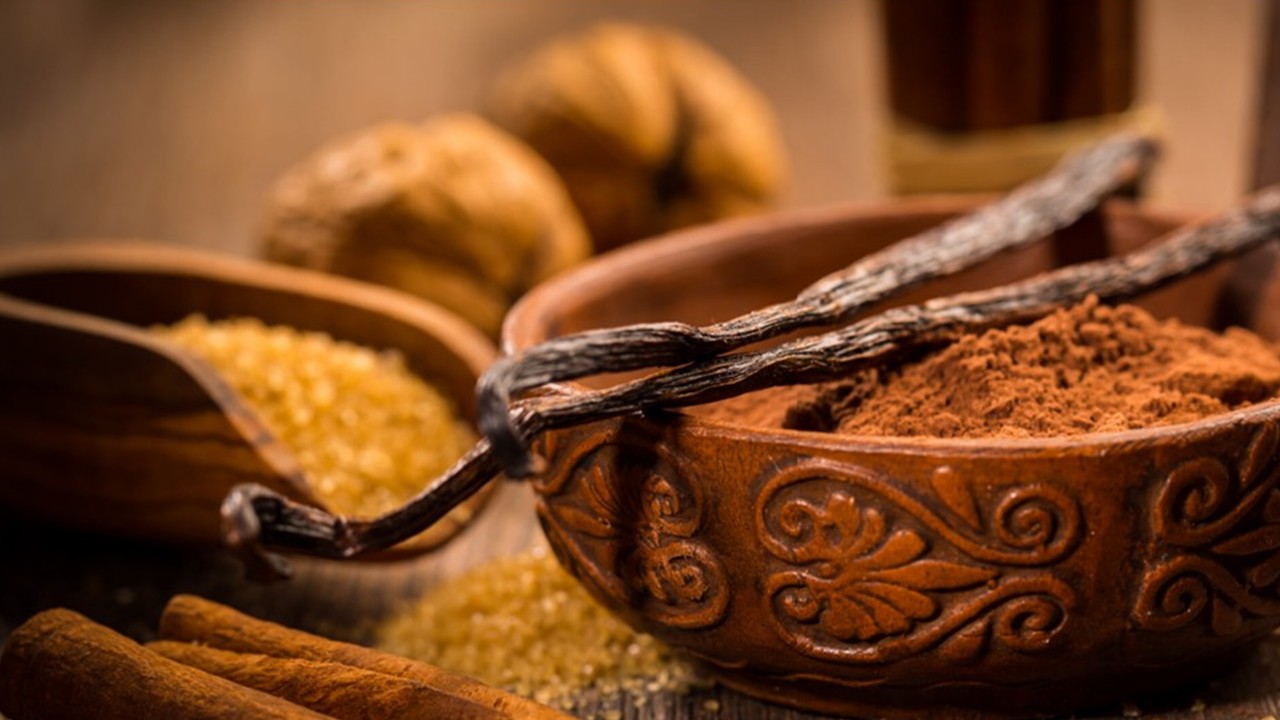
There is a moment, usually somewhere between the first sip of coffee and the second, when a familiar flavour suddenly becomes something else. Cinnamon has always seemed uncomplicated. A brown powder in a jar. A stick dropped into a curry. A little dusting over porridge, rice pudding or a cappuccino. But cinnamon is not one thing.
And the difference between the cinnamon most of us have grown up with and what is known as Ceylon cinnamon is rather like discovering that the everyday bottle of olive oil in the kitchen has a distant, more elegant relative with a completely different story.
Ceylon cinnamon, known botanically as Cinnamomum verum, is what Sri Lanka calls its “true cinnamon”. Which is different to Cassia, the cheaper and more widely encountered alternative, comes from different species and is principally associated with China, Indonesia and Vietnam. It looks similar but there is a difference.
The distinction is not merely botanical. It is in the bark, the aroma, the flavour, the way it is harvested and increasingly in the conversation around health. That is where Insan Spice enters the story. Its proposition is deceptively simple “take one of the world's oldest spices and remind consumers that quality, provenance and species matter.” Then educate casual consumers and chiefs alike that the experience can be elevated along the way to a healthier future.
So, what is “true” cinnamon? The easiest way to understand the difference is to look at a cinnamon stick. A Ceylon quill is delicate, light and made up of numerous thin layers of inner bark rolled together. Cassia is generally thicker, darker and harder. The difference becomes less obvious once everything is ground into powder. That may be one reason the distinction has remained largely invisible to consumers.
Ceylon cinnamon tends to have a softer, more complex flavour, with sweet, floral and citrus notes. Cassia is louder: warmer, stronger, more pungent and more immediately recognisable as the flavour many people associate with cinnamon.
Neither is a fraud. Neither is inherently useless. Cassia has its place in cooking and has been used around the world for generations. But they are different products. And Ceylon has something else going for it.
The liver question. This is where the cinnamon conversation becomes more interesting and where some of the health claims circulating online need to be separated from the science. Cinnamon contains a naturally occurring compound called coumarin. In sufficiently high and sustained amounts, coumarin can cause liver toxicity. The important point is that Cassia generally contains far more coumarin than Ceylon cinnamon.
National Center for Complementary and Integrative Health (NCCIH), which is part of the U.S. National Institutes of Health (NIH) notes that interactions between coumarin in Cassia and the liver have been reported, and that prolonged Cassia consumption may be a concern for people who are particularly sensitive, including those with liver disease. Ceylon cinnamon, by contrast, contains only trace amounts of coumarin.
That does not mean that a spoonful of supermarket Cassia is going to damage your liver. For most people, ordinary culinary use is not considered a major concern. The distinction becomes more relevant when cinnamon moves from being an occasional ingredient to becoming something consumed every day in tea, coffee, smoothies, supplements or concentrated wellness drinks.
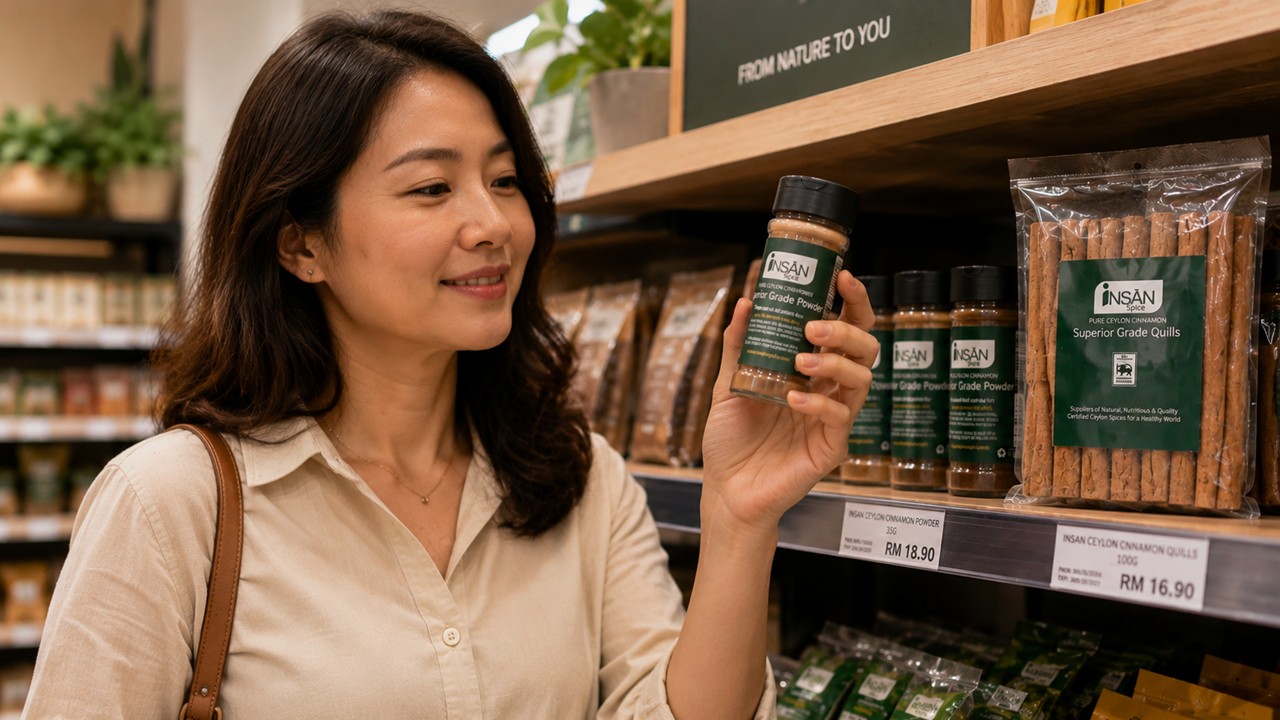
If cinnamon is going to become part of a daily ritual, the type suddenly matters. And that is one of Ceylon cinnamon's strongest arguments. Cinnamon contains antioxidant compounds and has demonstrated antimicrobial and anti-inflammatory activity in laboratory and animal research. Studies have also investigated its potential effects on blood glucose, blood pressure and cholesterol.
A systematic review of research into Ceylon cinnamon identified a wide range of potentially beneficial effects, including antioxidant activity and possible effects on glucose, blood pressure and cholesterol. But the researchers also made an important qualification: much of the evidence was not from robust human clinical trials, meaning the health claims should not be overstated.
In other words, cinnamon is an interesting food. It is not a miracle drug. That distinction matters in an era when every spice seems to acquire a new superfood identity on social media. Ceylon cinnamon is a flavourful natural ingredient with an interesting chemical profile, and it’s extremely low coumarin content makes it an attractive option for people who use cinnamon frequently.
The chef's secret. There is also a culinary argument for Ceylon that has nothing to do with wellness. It is simply delicious. The more delicate flavour makes it useful where cinnamon needs to add depth without dominating the dish. Even Gordon Ramsay has used ground Ceylon cinnamon in his cooking.
Cinnamon does not have to mean cake. It can sit quietly underneath meat, rice, vegetables, sauces and savoury spice mixtures, providing warmth and complexity rather than announcing itself as “cinnamon”. That is also why the argument about price can be misleading. Yes, Ceylon cinnamon costs more.
But people routinely pay multiples more for single-origin coffee, extra virgin olive oil, aged balsamic vinegar, saffron, speciality chocolate and bottled water whose differences can be considerably more difficult to explain. The question is not whether Ceylon cinnamon is more expensive. It is whether the difference is meaningful. For a consumer who uses cinnamon once a year, perhaps not. For someone who cooks with it regularly, cares about provenance, values flavour and wants to minimise unnecessary coumarin exposure, the calculation changes.
One thing is for sure is that the family team behind one of Sri Lanka’s emerging boutique spice brands are on the right path as they bring an ancient tradition to life in the modern culinary landscape.