

Malaysia & Germany to Deepen Economic Partnership via TVET
Malaysia and Germany are looking to deepen economic cooperation through technical and vocational education and training (TVET), alongside stronger investment, industrial collaboration and research partnerships. A meeting between Economy Minister Akmal Nasrullah Nasir and Germany’s ambassador highlights the importance of developing a skilled workforce to support the next phase of economic growth.
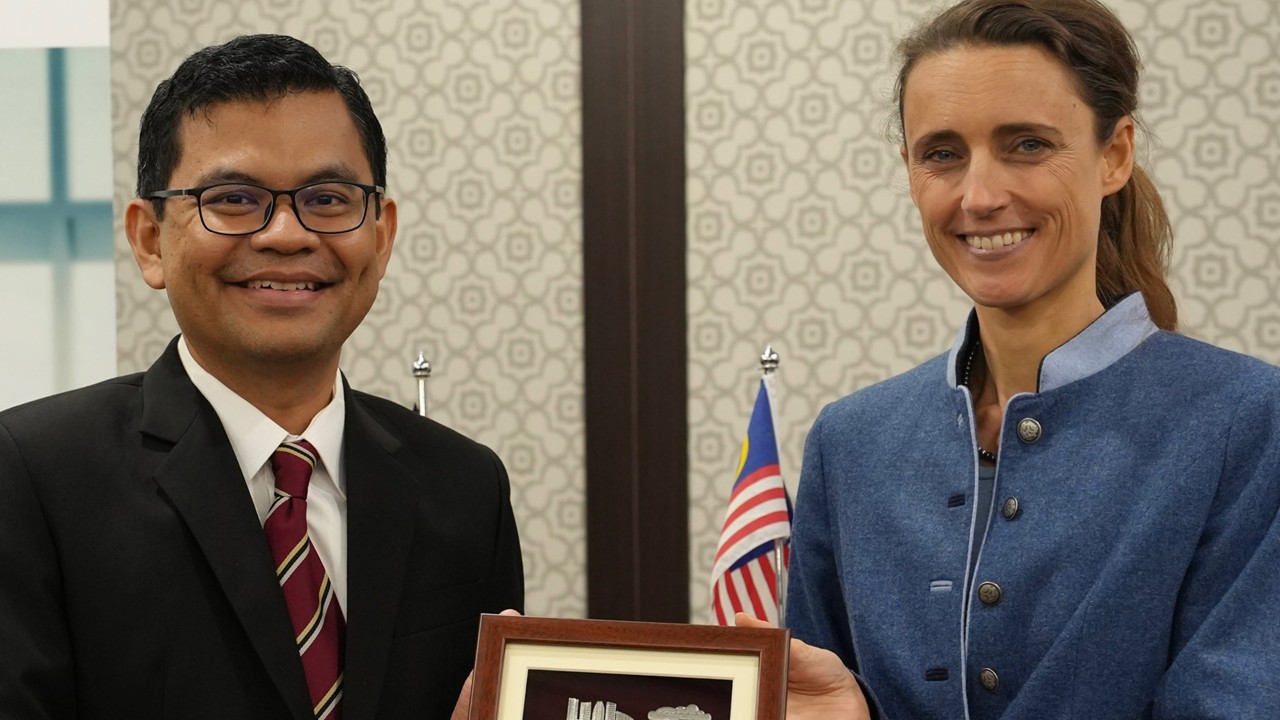
KUALA LUMPUR: Malaysia and Germany are seeking to deepen their economic partnership, with technical and vocational education and training (TVET) emerging as a key area of cooperation as both countries look to align workforce skills with the demands of modern industry.
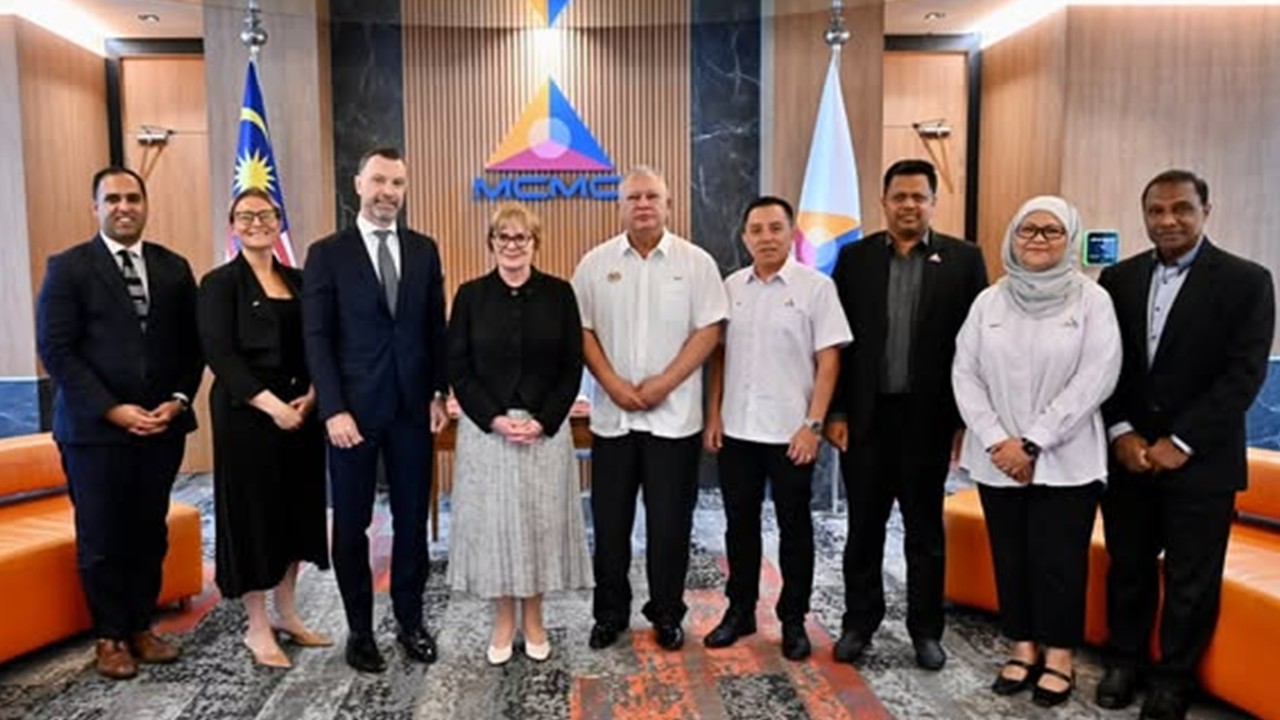
The issue was among the subjects discussed when Malaysia’s Economy Minister, Akmal Nasrullah Nasir, met Germany’s ambassador to Malaysia at Parliament during a meeting held in conjunction with a premium luncheon organised by the Malaysian-German Chamber of Commerce and Industry (MGCC).
The discussions covered growing German investment in Malaysia, closer collaboration in skills development and research partnerships in areas of strategic importance to both countries.
The emphasis on TVET is significant as Malaysia seeks to strengthen its industrial capabilities, attract higher-value investments and prepare its workforce for technological change. German companies, with their established expertise in advanced manufacturing, engineering and industrial technology, offer opportunities to connect training more closely with the practical requirements of employers.
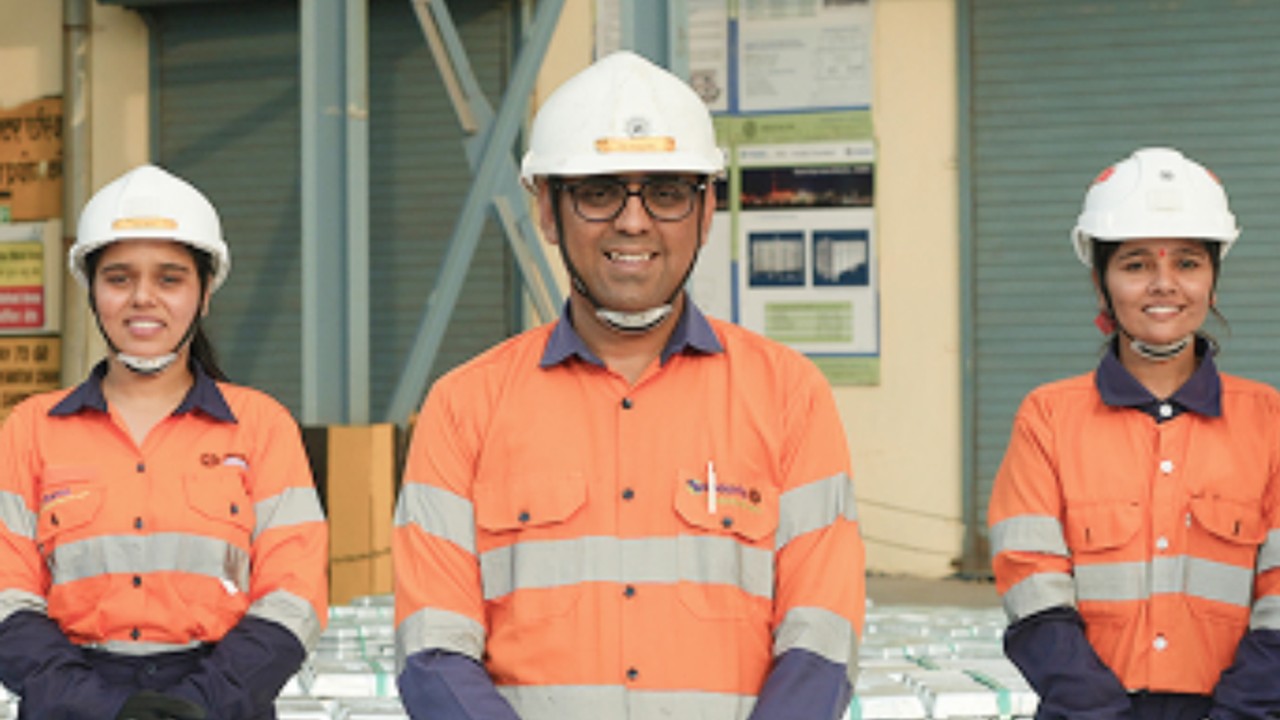
Germany’s dual vocational training model provides a potential framework for deeper cooperation. It combines classroom learning with structured, hands-on workplace training, allowing students to develop technical knowledge and practical experience before entering full-time employment.
In Malaysia, the German Dual Vocational Training (GDVT) programme has been implemented since 2014. Coordinated by MGCC in collaboration with the Department of Skills Development, it combines approximately 70% practical training with 30% theoretical instruction and is linked to Malaysia’s National Dual Training System.
The model is designed to address a challenge facing industrial economies: ensuring graduates possess the skills employers need, particularly in technically demanding occupations.
An MGCC employer survey published in April 2026 found that 80% of GDVT graduates were offered full-time employment, while 66% were assessed as outperforming colleagues hired through other routes. All surveyed employers expressed satisfaction with graduates’ cultural fit and recommended the programme.
The findings highlight the potential for expanding industry-led training partnerships in advanced manufacturing, automation, engineering, electrical and electronic technologies, and other fields where practical competence is essential.
For Malaysia, stronger German-Malaysian TVET cooperation could help companies develop a more reliable pipeline of skilled workers while giving young Malaysians clearer pathways from education into employment. It could also support technology transfer by equipping local workers with skills relevant to German industrial processes and standards.
The wider opportunity is to make TVET a central component of investment strategy, rather than treating skills development as a separate education policy. When training institutions and employers work together, new investments can generate not only jobs but also long-term improvements in workforce capabilities.
The economic relationship provides a substantial foundation for this cooperation. Germany is Malaysia’s largest trading partner within the European Union, while Malaysia is Germany’s principal trading partner in ASEAN, according to Germany’s Federal Foreign Office.
Bilateral merchandise trade reached approximately €16.6 billion in 2025, comprising around €5.9 billion in German exports to Malaysia and €10.7 billion in imports from Malaysia. The figures reflect the importance of Malaysia as a trading partner for German companies and as part of their wider Asian supply chains.
Investment ties are also well established. German direct investment stock in Malaysia reached €7.56 billion in 2024, up from €7.53 billion in 2023. German net direct investment transactions in Malaysia amounted to a further €185 million in 2025. Investment stock and annual investment flows measure different things, but together they illustrate the depth of the relationship.
Manufacturing, engineering and technology-related industries provide important areas for continued cooperation. As Malaysia moves towards higher-value economic activities, attracting investment that develops local capabilities, strengthens supplier networks and creates skilled employment will become increasingly important.
Education is another established pillar of Malaysia-Germany relations. According to the German Academic Exchange Service (DAAD), 1,797 Malaysian students were enrolled in Germany in the 2024/25 winter semester, with engineering among their principal fields of study. Approximately two-thirds attended universities of applied sciences, reflecting the appeal of programmes with a practical and industry-oriented focus.
The figure represents Malaysian students enrolled during that academic period, rather than the total number of Malaysians who have studied in Germany over time. The DAAD also reported 129 university collaborations between the two countries as of September 2025, including dual-degree arrangements involving Malaysian institutions.
These educational links can help build a talent pipeline connecting universities, technical training institutions, research centres and industry. Graduates familiar with German technical education and industrial practices can contribute to Malaysian companies and research institutions while strengthening future collaboration between the two economies.
Closer links between universities, TVET providers and employers could help ensure that educational partnerships translate into practical economic outcomes, particularly as industries adapt to automation, digitalisation and changing supply-chain requirements.
The meeting between Akmal Nasrullah and Germany’s ambassador underscores the importance of cooperation between government and business in turning shared economic priorities into results. For Malaysia, the challenge is to attract investment that delivers lasting benefits through technology transfer, skills development and stronger domestic industrial capabilities. For German businesses, access to a skilled workforce and effective partnerships with local institutions can support continued investment and regional growth.
TVET offers a practical avenue for both countries to make progress, strengthening the connection between investment, productivity and employment while preparing workers for the industries of the future.