

"When you've enjoyed your food and feel good about it, stop eating..."
The intersection of food, health and exercise offers practical ways to support wellbeing, from balanced Malaysian meals and regular physical activity to meeting the nutritional needs of people undergoing cancer treatment. October’s Breast Cancer Awareness Month invites us to turn awareness into action. One place to start is the food we eat—but nutrition is only part of the picture
"When you've enjoyed your food and feel good about it, stop eating..."
This was a piece of advice recalled by our late Tun Dr Siti Hasmah from her mother-in-law to Tun Dr Mahathir. Tun Dr Siti Hasmah Mohamad Ali was a breast cancer survivor and the epitome of healthy eating. She recently passed away on 28 September 2026, aged 100.
October’s Breast Cancer Awareness Month invites us to turn awareness into action. One place to start is the food we eat—but nutrition is only part of the picture.
Focus on what we can change
Cancer is complex. Age, family history and inherited gene changes can influence risk. Other factors, such as smoking, alcohol, physical inactivity and excess body fat, can be changed or managed. These are called modifiable risk factors.
“Eat wisely, get enough rest, and keep your mind active.” These words from the late Tun Dr Siti Hasmah Mohamad Ali offer a reminder to care for ourselves.
Healthy habits can lower risk, but they cannot guarantee prevention. A cancer diagnosis is never someone’s fault.
Build a nourishing plate
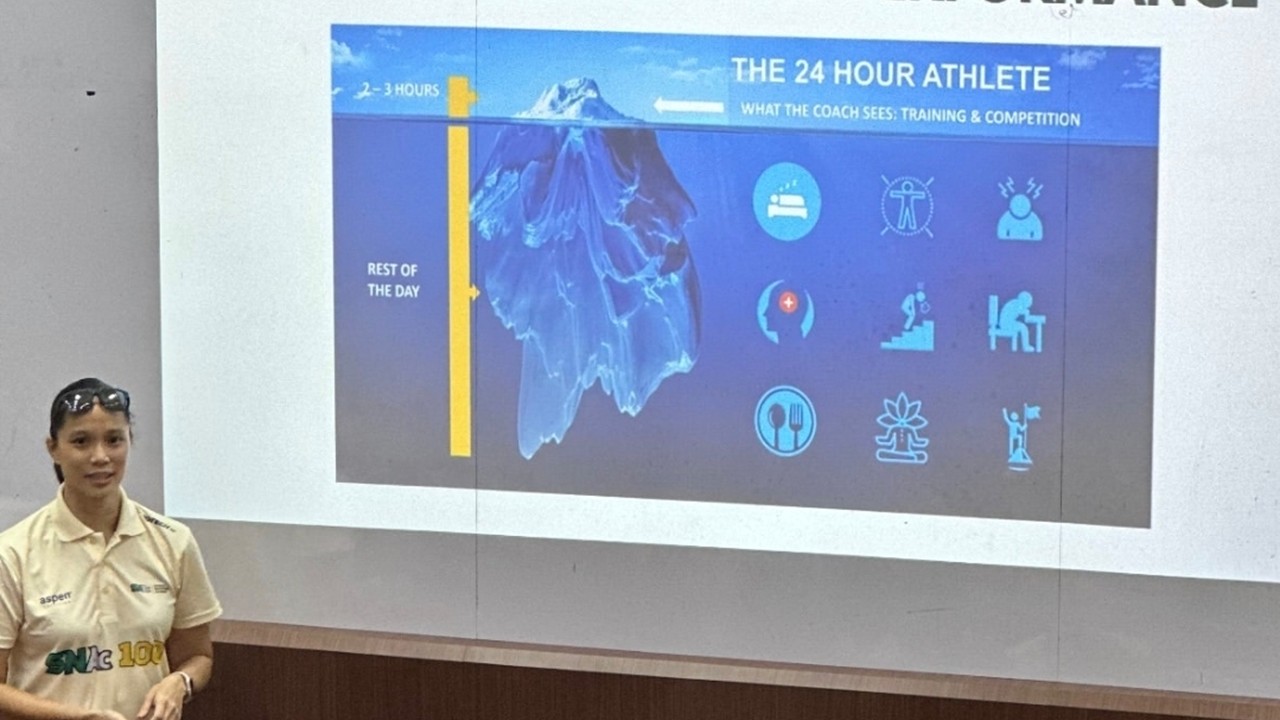
“Healthy eating does not mean giving up your favourite Malaysian dishes,” advised Tania, a dietitian from the Sports Nutrition Academy. “More importantly, we need to get enough of the important nutrients to keep the body strong and avoid deficiencies. Malaysia’s Suku Suku Separuh approach is a good start to balancing your plate.”
Keep food preparation simple and start with familiar ingredients from your local market. Include a variety of vegetables, fruit, whole grains and protein foods in everyday meals. Small changes to ingredients and cooking methods can make the dishes you already enjoy more nourishing.
For inspiration, the Breast Cancer Survivor Cookbook features local recipes shared by breast cancer survivors and nutrition experts. The chief editor and dietitian Professor Dr Hazreen Abdul Majid includes favourite local recipes adapted to be nutritious and tasty. These shared recipes offer other survivors and the wider community ideas for healthier cooking without sacrificing taste.
Regular movement also matters. Aim for 150–300 minutes of moderate activity each week, such as brisk walking, and spend less time sitting. Start with manageable amounts and build up. Staying active and maintaining a healthy weight can lower the risk of several cancers, including breast cancer after menopause.
For cancer prevention, it is best not to drink alcohol and to avoid tobacco and second-hand smoke. A balanced diet cannot cancel out the risks from smoking or drinking.
During treatment, priorities may change
Eating to lower future cancer risk is different from eating during treatment. When appetite is poor or weight is falling, “eat less” is not helpful advice. Enough energy and protein are essential to support healing and preserve muscle.
A cancer patient undergoing treatment may require around 1.2–1.5 grams of protein per kilogram of body weight daily, depending on individual needs. “The protein requirement for cancer patients is similar to that of people who train competitively. However, we would need to be creative with the recipes to enhance the taste of the meals because cancer treatments can alter the taste buds of these patients,” added Tania.
Spreading protein across meals and snacks using fully cooked fish or eggs, pasteurised Greek yoghurt, tofu or beans, is one of the strategies to increase protein intake. For taste changes, try mild herbs or a little lemon juice, but avoid acidic flavours with mouth sores.
Make awareness a year-round habit
This Pink October, let us honour Tun Dr Siti Hasmah’s memory by turning awareness into action. Choose one realistic change to keep - eat to nourish your body, move in ways you enjoy, and seek care early. Remember, “Pink October” lasts a month, caring for our health should last a lifetime.
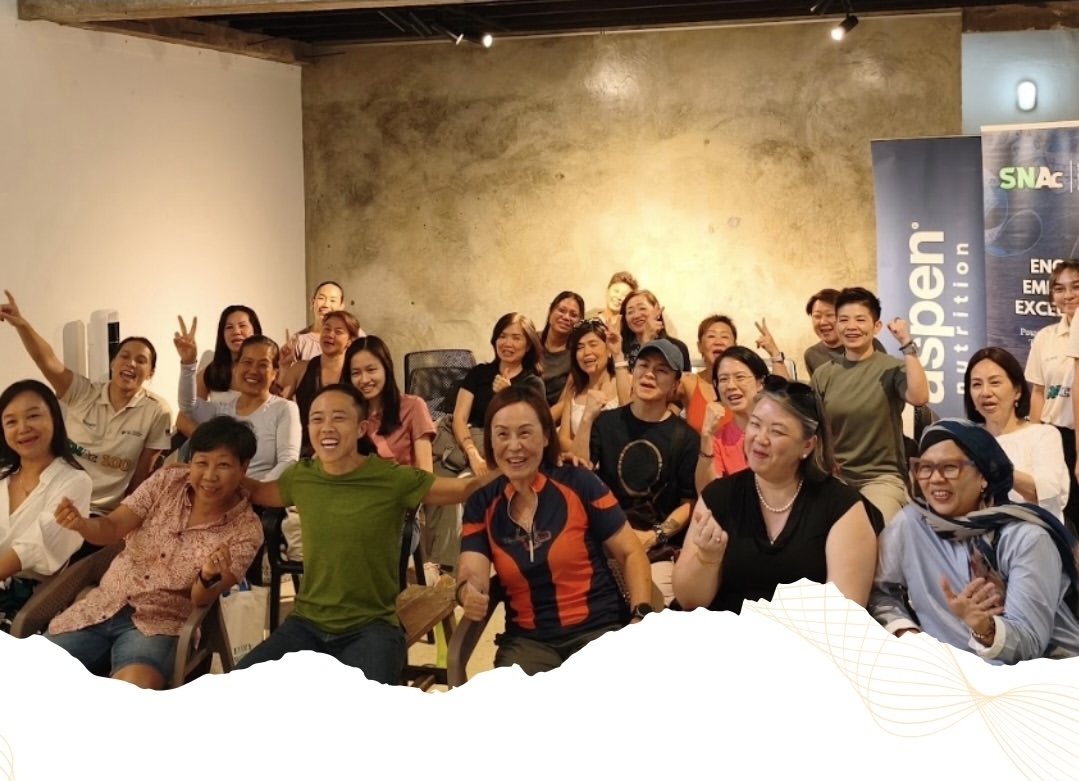
SNAC has consistently taken the lead in championing women’s health, using challenging sporting events and demanding physical activities as platforms to raise awareness about the importance of nutrition, fitness and overall wellbeing. Through its commitment to education and practical action, SNAC highlights the need to empower women with the knowledge and support to build strength, resilience and healthier lives at every stage. Source: SNaC