


Stretching for Stress Relief & Mental Well-being: More Than Just Physical Benefits
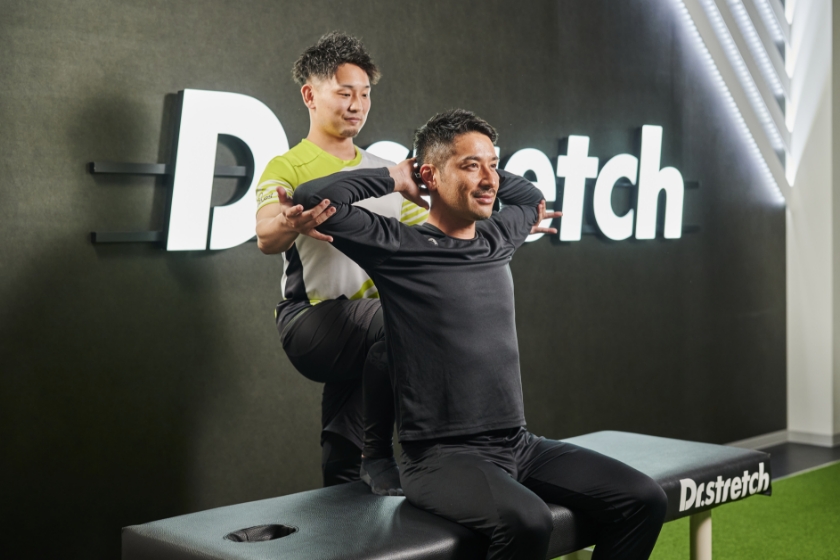
In a fast-paced city lifestyle, stress often shows up quietly in the body before we even notice it in our minds. Tight shoulders during traffic, a stiff neck after hours on a laptop, shallow breathing during long meetings these physical signals are easy to ignore until they become constant. For many busy urban professionals, stress isn’t just mental. It lives in the muscles, posture, and the way the body holds tension day after day.
Research increasingly supports this mind-body connection. According to the American Psychological Association, over 75% of adults report experiencing physical symptoms of stress, with muscle tension being one of the most common. Prolonged stress keeps the body in a heightened state, causing muscles to stay partially contracted, which can lead to pain, fatigue, and even headaches. Over time, this physical tension feeds back into mental strain, creating a cycle that’s hard to break.
“Many clients come in saying they feel ‘tight everywhere’ but don’t necessarily label it as stress,” says Azri, a stretching trainer at Dr.stretch Malaysia. “Once we start working on their body, they realise how much tension they’ve been carrying without knowing it.”
Stretching plays a powerful role in interrupting that cycle. Active, guided stretching encourages the nervous system to shift out of fight-or-flight mode and into a more relaxed state. A study published in Frontiers in Psychology found that participants who engaged in regular stretching experienced significant reductions in anxiety levels and improvements in mood within just a few weeks. Stretching also stimulates circulation, helping oxygen reach muscles and the brain more efficiently, which supports mental clarity and emotional balance.
Beyond relaxation, posture is another key factor. Stress and long hours of sitting often lead to slouched shoulders and a compressed chest, which can restrict breathing. Shallow breathing has been linked to increased feelings of anxiety and fatigue. “When we help clients open up their chest and lengthen their spine, they often say they can breathe more deeply,” shares Efrah Dr.stretch trainer “That alone can make them feel calmer almost immediately.”
Improved posture doesn’t just change how you look it changes how you feel. Research from Health Psychology suggests that upright posture is associated with higher confidence, lower stress, and better emotional regulation. By reducing physical strain and restoring natural alignment, stretching supports both physical comfort and mental resilience.
Many people also underestimate how effective stretching can be as a regular stress-management habit. Even one guided session a week can help release built-up tension and prevent it from accumulating. “We often tell clients this isn’t a luxury, it's maintenance,” Aniez, a trainer explains. “Just like you wouldn’t wait until your car breaks down to service it, your body needs regular care too.”
Clients frequently describe sessions as unexpectedly calming. “We hear things like, ‘I didn’t realise how relaxed I could feel without a massage,’ or ‘My mind feels quieter,’” says one trainer. That sense of relaxation comes from both physical release and the focused, mindful nature of guided stretching, which encourages people to slow down and reconnect with their bodies.
For those juggling demanding jobs, long commutes, and constant screen time, stretching offers a simple yet powerful way to reset. Dr.stretch Malaysia encourages busy professionals to try a regular stretching routine even once a week to support both mobility and mental well-being. Booking a guided stretch and mobility session provides a safe, personalised space to unwind, release tension, and restore balance.
In a world that rarely slows down, taking time to stretch isn’t about doing less it’s about giving your body and mind what they need to keep going. Sometimes, the best way to manage stress isn’t pushing harder, but learning how to let go.