

Angel Yeast Marks 40 Years with Sustainability Push
Chinese biotechnology and food ingredients company Angel Yeast is using its 40th anniversary to underline how sustainability, innovation and international expansion are becoming central to its long term business strategy.
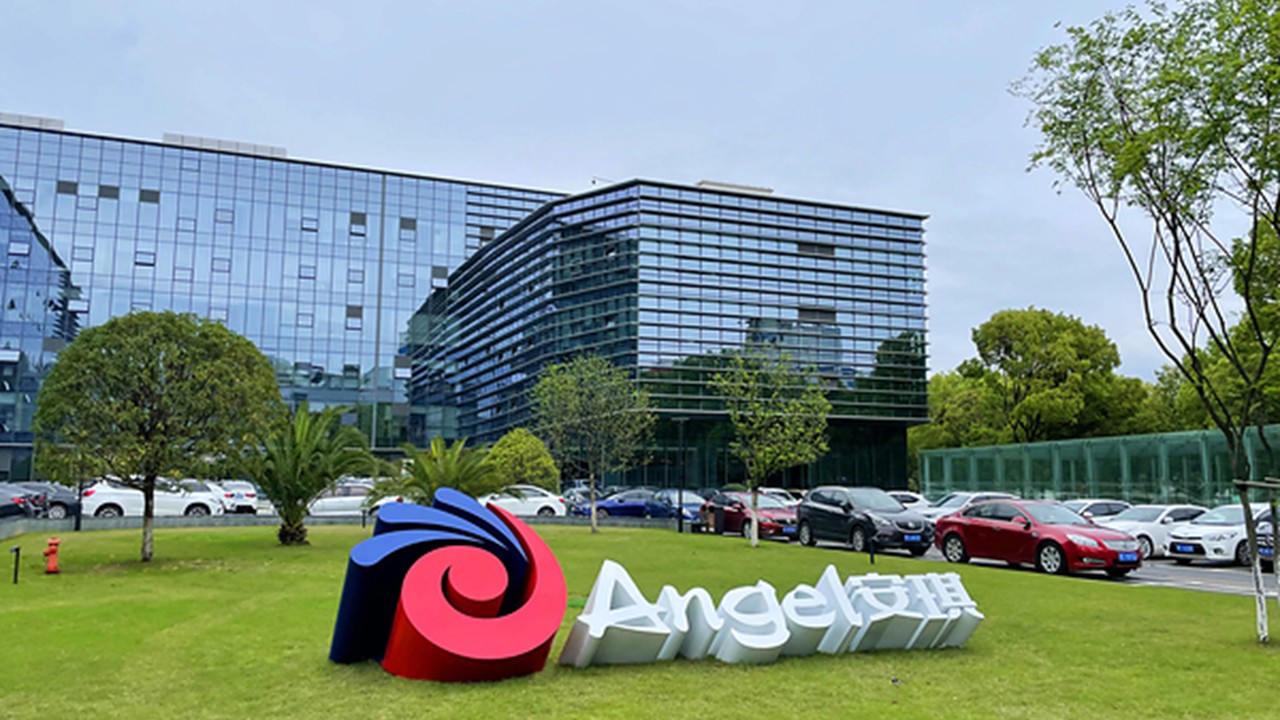
SHANGHAI - Angel Yeast has marked its 40th anniversary with the release of its 2025 Sustainability Report, setting out how the Chinese biotechnology company is integrating environmental targets, product innovation and corporate governance into its next phase of growth. Listed on the Shanghai Stock Exchange, Angel Yeast is one of the world's leading yeast manufacturers and has expanded far beyond its traditional baking business into nutrition, biotechnology and fermentation based products. The report presents sustainability not simply as a corporate responsibility exercise, but as part of the company's strategy for building long term competitiveness.
The company structured its latest report around four areas: Stable Development, Strong Momentum, Green Ecosystem and Warm Care. These cover areas ranging from food safety and risk management to biotechnology innovation, environmental stewardship and employee welfare. Angel Yeast said sustainability has increasingly been incorporated into corporate governance, strategic decision making and its wider value chain as it continues to pursue international expansion.
For investors and the wider food and biotechnology industry, the significance of the strategy lies in the changing nature of Angel Yeast's business. The company is positioning itself at the intersection of food production, biotechnology and sustainable nutrition, sectors expected to play increasingly important roles as global populations seek healthier and more efficient sources of food ingredients. Its ability to turn fermentation technology into commercially viable products could become an important driver of future growth.
One of the company's most ambitious commitments is its climate strategy. Angel Yeast has set targets to reach carbon peaking by 2030 and carbon neutrality by 2059, placing energy efficiency and emissions management firmly within its long term corporate agenda. During 2025, the company implemented 46 energy efficiency and carbon reduction projects, which it said saved more than 10,000 MWh of electricity, 131,400 tonnes of steam and 20,700 tonnes of coal.
Those figures illustrate the scale of the challenge facing major food and biotechnology manufacturers. Energy intensive production remains a significant part of the industry, particularly for companies operating large scale fermentation and processing facilities. Reducing energy consumption therefore has both environmental and commercial implications, particularly at a time when companies are under pressure to manage costs while meeting increasingly demanding sustainability expectations.
Angel Yeast is also betting heavily on biotechnology as a source of new business opportunities. The company is developing yeast derived natural ingredients and precision fermentation technologies for areas including nutritional fortification, gut health, sodium reduction and functional nutrition. It is also expanding its work around yeast protein, which is emerging as a potential alternative source of high quality nutrition in a global market increasingly focused on food security and sustainable protein.
The move reflects a broader transformation taking place across the food ingredients sector. Traditional food manufacturers are increasingly becoming biotechnology businesses, using advances in fermentation, microbiology and food science to develop products with higher nutritional value and potentially lower environmental impact. For Angel Yeast, its four decades of experience in fermentation provides an established industrial base from which to pursue these newer markets.
The company has also sought to strengthen its influence within the international yeast industry. In 2025, the world's first international standard for baking yeast, ISO 23983:2025, was published, with Angel Yeast contributing to its formulation. Participation in international standards can be strategically important for companies with global ambitions, helping them shape industry practices while strengthening their credibility in overseas markets.
Its sustainability performance has also received external recognition. Angel Yeast earned a Silver Medal from EcoVadis in 2025, placing it among the top 15 per cent of assessed organisations globally, according to the company. Its sustainable procurement performance was ranked among the top 2 per cent of its industry, while its corporate sustainability programme includes efforts to strengthen supplier standards across its global operations.
The company's own sustainability disclosures show the scale of its international workforce and ambitions. Angel Yeast employs more than 13,000 people worldwide, including nearly 2,000 overseas employees, as it continues to expand beyond its domestic Chinese market. The company's business now spans a wide range of applications, including baking, food ingredients, human health, animal nutrition and biotechnology.
As Angel Yeast enters its fifth decade, the challenge will be converting its sustainability commitments and biotechnology investments into sustained commercial growth. The global food ingredients market is becoming increasingly competitive, with major multinational companies investing heavily in alternative proteins, precision fermentation and health focused products. Angel Yeast's strategy suggests it believes its future will depend on combining its established yeast business with new technologies capable of addressing changing consumer and industry demands.
The release of the 2025 Sustainability Report therefore represents more than an anniversary milestone. It provides a snapshot of how one of China's established food and biotechnology companies is repositioning itself for a market increasingly shaped by climate pressures, food security and scientific innovation. For Angel Yeast, the next 40 years may depend less on the traditional yeast products that built the company and more on how successfully it can turn fermentation technology into the next generation of global food and nutrition businesses.