

Saudi Arabia’s Hanan Balkhy Enters Race to Lead WHO as Global Health Politics Intensify
Dr Hanan H. Balkhy has launched her candidacy for Director General of the World Health Organization, placing Saudi Arabia at the centre of an increasingly important contest over the future direction of global health governance.
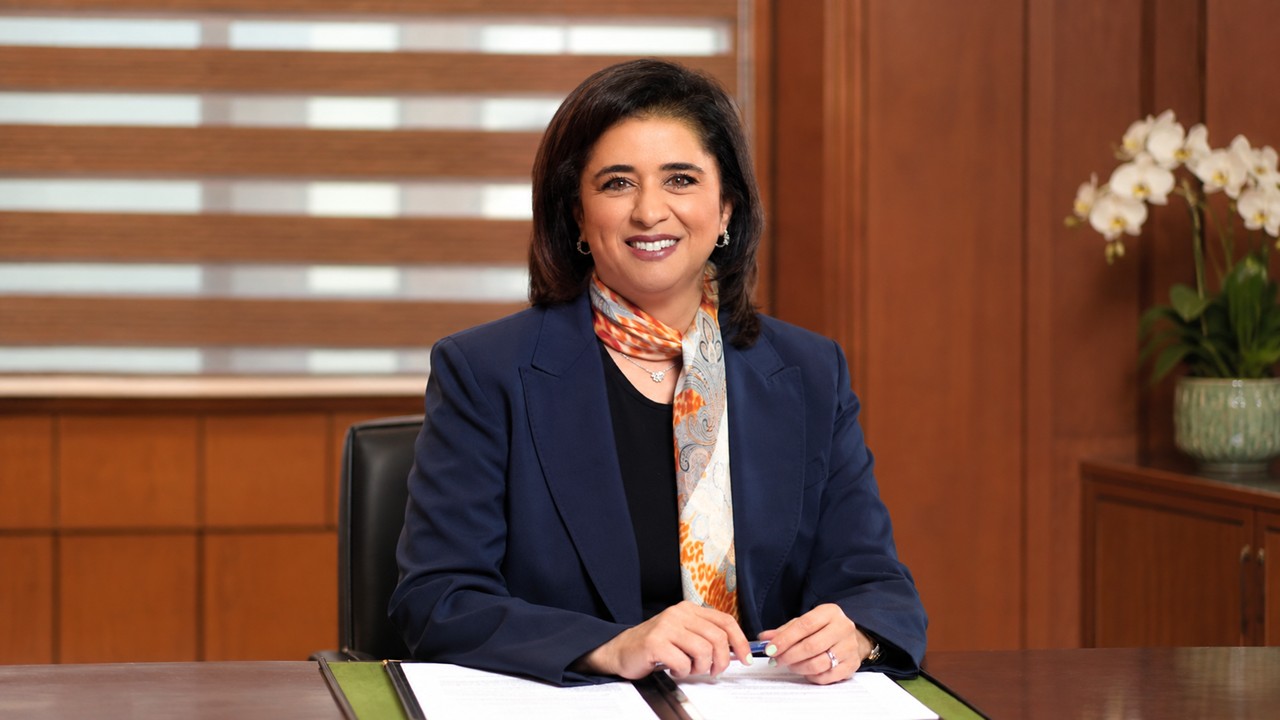
RIYADH - Dr Hanan H. Balkhy, the World Health Organization Regional Director for the Eastern Mediterranean, has formally launched her candidacy to become the organisation's next Director General. Nominated by Saudi Arabia, Balkhy is entering the race at a critical moment for the WHO as governments debate pandemic preparedness, institutional reform, financing and the growing pressure for global institutions to deliver more effectively. Her campaign is built around a simple political message: creating what she describes as “a WHO the world can count on.”
Balkhy's candidacy carries significance beyond global health. It represents another major moment in Saudi Arabia's expanding international engagement and its efforts to strengthen its influence across multilateral institutions and global policy debates. As competition for leadership and influence within international organisations becomes increasingly connected to diplomacy and national soft power, the contest for the WHO's top position will inevitably carry geopolitical importance.
A physician with more than three decades of experience across clinical medicine, academic research and international public health, Balkhy brings an extensive institutional background to the race. She currently oversees WHO operations across 22 member states and a population of more than 750 million people in the Eastern Mediterranean region. Her previous roles have included serving as the WHO's first Assistant Director General for Antimicrobial Resistance and as a member of the organisation's Global Policy Group.
Her campaign platform is centred on three themes: trust, impact and value. Balkhy has argued that the WHO must strengthen confidence through science and transparency, improve preparedness before crises emerge and demonstrate clearer, measurable results for member states. The emphasis reflects a wider political challenge facing international organisations, which are increasingly being asked to justify their effectiveness at a time of tighter public finances and growing scepticism towards multilateral institutions.
The next WHO Director General will inherit an organisation operating in a considerably more complicated political environment than it did before the COVID-19 pandemic. Governments are still working through the consequences of the crisis while negotiating how international institutions should respond to future health emergencies. Questions around sovereignty, information sharing, financing and the authority of global organisations have become deeply political issues.
Balkhy's candidacy comes as the WHO moves towards implementing its Pandemic Agreement and seeks to strengthen its long term financial foundations. The organisation is also facing increasing calls from member states for greater ownership of health priorities at the national level. That balance between global coordination and national control is likely to become one of the defining political challenges facing whoever takes over the organisation.
Saudi Arabia's decision to nominate Balkhy also reflects the Kingdom's increasingly visible role in international diplomacy and multilateral affairs. Riyadh has expanded its engagement across global institutions, economic forums, development initiatives and major international events as part of its wider transformation and international positioning. A successful Saudi candidacy for one of the world's most influential international organisations would represent a significant diplomatic achievement.
Balkhy's supporters are likely to point to her experience working across different levels of the WHO system. Her campaign argues that she understands the demands facing countries while also having experience inside the organisation's regional and global leadership structures. The Saudi Ministry of Health has also highlighted her record in mobilising more than US$1.6 billion in additional programme resources for polio and emergency responses.
The political importance of the WHO leadership contest extends far beyond the health sector. The organisation sits at the intersection of science, diplomacy, development and international security, with its decisions and recommendations affecting governments across the world. The COVID-19 pandemic demonstrated how quickly public health can become a central geopolitical issue, bringing disputes between major powers and international institutions into public view.
For Asia and the wider developing world, the next WHO leadership contest will also raise questions about representation and influence. Global health priorities increasingly involve countries facing rapidly growing populations, changing disease patterns and significant pressure on healthcare systems. The ability of the WHO to respond to those challenges while maintaining trust among its diverse membership will be central to the organisation's future relevance.
Balkhy has framed her campaign around the need for a more prepared and accountable organisation that can respond decisively when crises emerge. Her argument is that global health institutions must be trusted before emergencies occur rather than attempting to build confidence in the middle of a crisis. That message is likely to resonate with governments still assessing the lessons of the pandemic and preparing for future health threats.
The race for the WHO's top job will therefore be closely watched not only by doctors and public health experts, but also by diplomats and political leaders. It will test competing visions of how international cooperation should work in an increasingly fragmented world. For Saudi Arabia, Balkhy's candidacy has added another significant dimension to the Kingdom's growing presence on the global diplomatic stage.