

East Asia Summit Reviews 2024–2028 Action Plan
The review of the East Asia Summit Plan of Action comes amid growing regional challenges, with ASEAN and its eight dialogue partners seeking to translate high-level commitments into practical cooperation on security, economic resilience and sustainable development.
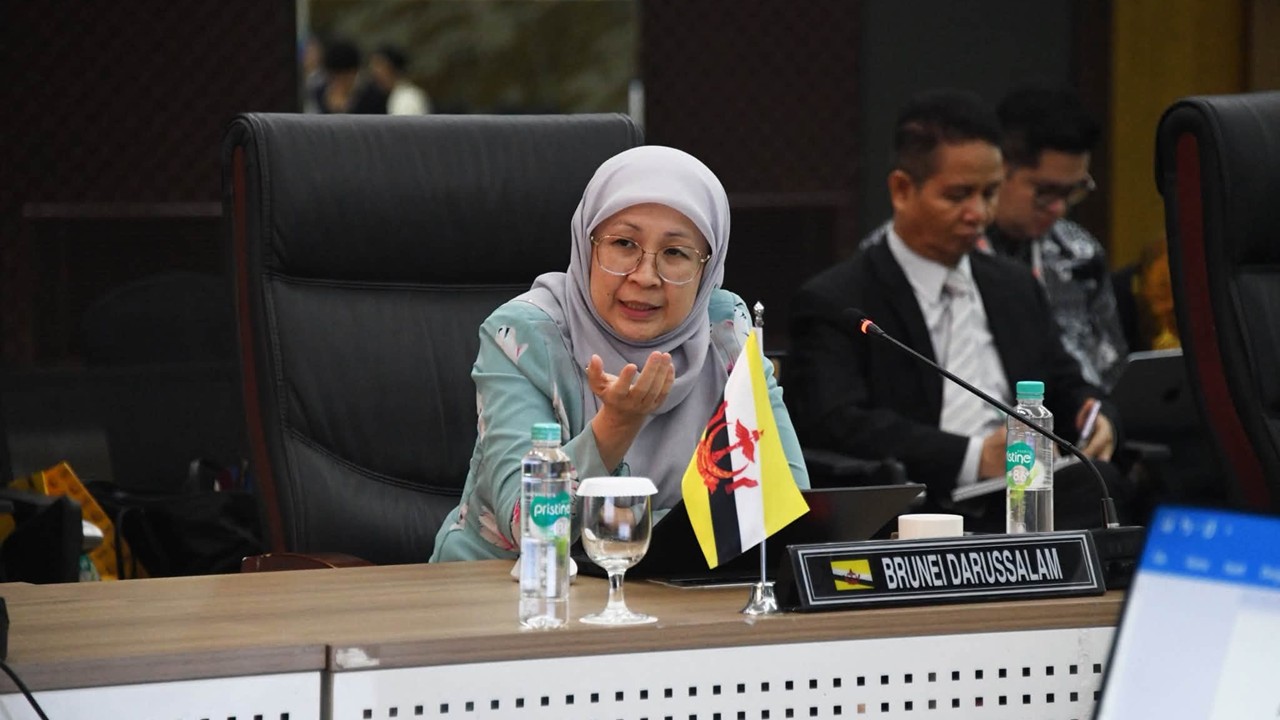
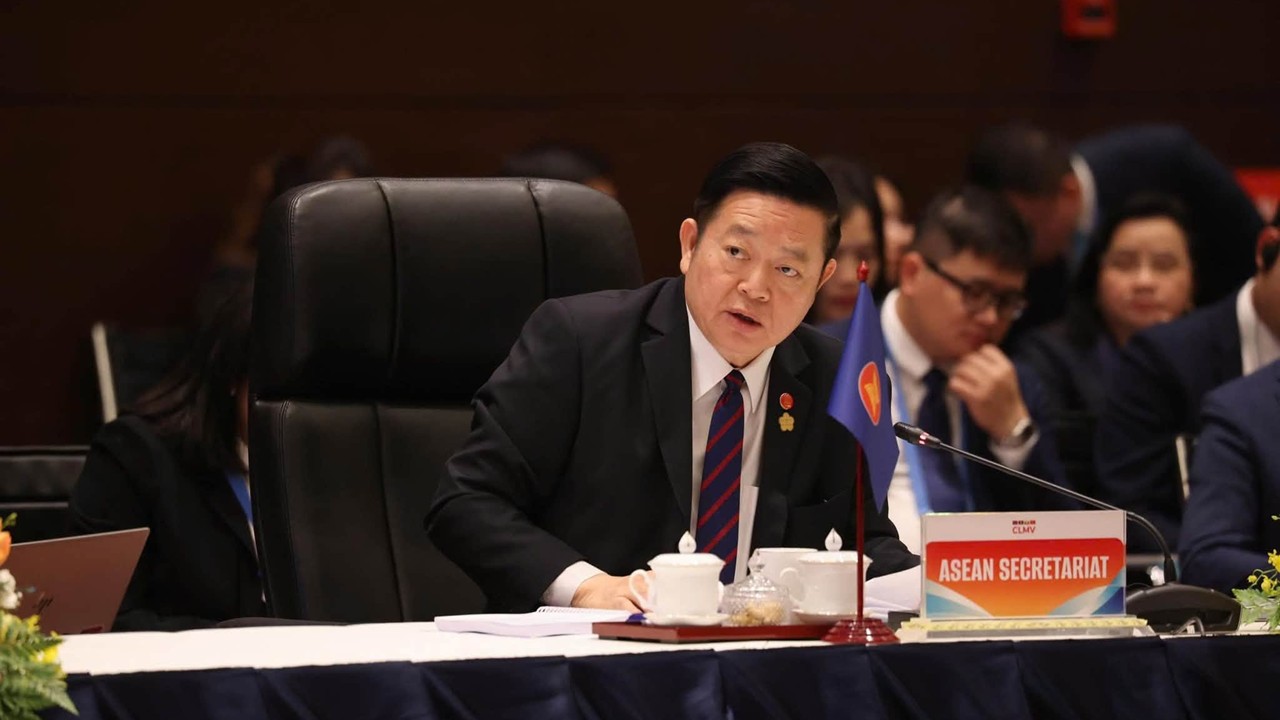
The East Asia Summit (EAS) is stepping up efforts to turn regional political commitments into practical cooperation, as diplomats reviewed progress under its 2024–2028 Plan of Action at the ASEAN Secretariat in Jakarta.
The Third Meeting of the Group of East Asia Summit Ambassadors in Jakarta in 2026 was held at ASEAN Headquarters, bringing together ambassadors and representatives of EAS participating countries, alongside the Deputy Secretary-General of ASEAN for the ASEAN Political-Security Community.
The meeting was chaired by Philippine Ambassador to ASEAN Evangeline T. Ong Jimenez-Ducrocq, who leads the EAS Group.
An important part of the discussions was the implementation of the EAS Plan of Action 2024–2028, which provides the framework for cooperation among participating countries across a broad range of regional priorities.
The plan matters because the East Asia Summit is not simply a forum for leaders to exchange views. It provides a platform for coordinating responses to shared challenges across the Indo-Pacific, bringing together major regional economies and strategic partners through an ASEAN-led process.
The Plan of Action provides direction for cooperation in areas including political and security dialogue, economic integration, trade and investment, energy security, food security, education, public health, environmental protection, disaster management and maritime cooperation.
Its importance lies in providing continuity beyond individual summits. While leaders establish political priorities, the action plan provides a framework through which governments, ministers and institutions can coordinate initiatives, develop partnerships and assess progress.
This is particularly significant given the strategic composition of the East Asia Summit, which brings together ASEAN's 11 member states and eight dialogue partners: Australia, China, India, Japan, New Zealand, South Korea, Russia and the United States.
It provides an ASEAN-led platform for dialogue among countries with significant economic, diplomatic and security interests in the Indo-Pacific, including powers whose strategic interests do not always align.
The ambassadors' meeting also considered follow-up to the outcomes of the 21st East Asia Summit, held in Manila on 17 November 2026.
Two documents were adopted at the leaders' meeting. The first, the EAS Declaration on Navigating Our Future, Together: Stability and Renewal, reaffirmed the participating countries' commitment to regional peace, stability and cooperation amid geopolitical tensions, economic uncertainty and emerging security challenges.
The second, the EAS Leaders' Statement on Strengthening Cooperation against Online Scams and Other Related Offenses, addressed the growing threat of transnational criminal networks operating through digital platforms.
The latter is particularly relevant to Southeast Asia, where online fraud operations have become a cross-border security and law-enforcement challenge. Scam centres, cyber-enabled financial fraud, human trafficking and the exploitation of vulnerable individuals require cooperation beyond national jurisdictions.
Effective responses depend on intelligence-sharing, coordinated investigations, stronger legal frameworks, cooperation between law-enforcement agencies and mechanisms to protect victims.
The two declarations demonstrate how the EAS framework is expected to respond to both traditional strategic concerns and newer threats that increasingly affect the security of citizens, businesses and national economies.
For ASEAN, maintaining the effectiveness of the EAS is also important to preserving ASEAN centrality in the evolving regional architecture. By keeping major powers engaged in an inclusive, ASEAN-led forum, the summit provides space for dialogue, confidence-building and cooperation even when participating countries have different strategic interests.
The review of the 2024–2028 Plan of Action therefore represents more than a routine diplomatic exercise. It is an opportunity to assess whether commitments made by leaders are translating into tangible regional cooperation, particularly in areas where no single country can effectively address the challenges alone.
With the current action plan running until 2028, sustained implementation will be important in ensuring that the East Asia Summit remains a meaningful platform for advancing regional stability, economic prosperity and shared security.