

Selangor's Golden Foil Season - The Making of a Fencing Powerhouse
From a modest return at SUKMA 2024 to a golden run two years later, Selangor’s fencing resurgence is no accident. Behind the medals is a winning formula combining homegrown talent, ambitious clubs, government backing, corporate support and a development system that is beginning to reshape the ecosystem of Malaysian fencing. Can Selangor turn its foil success into a lasting national fencing powerhouse?
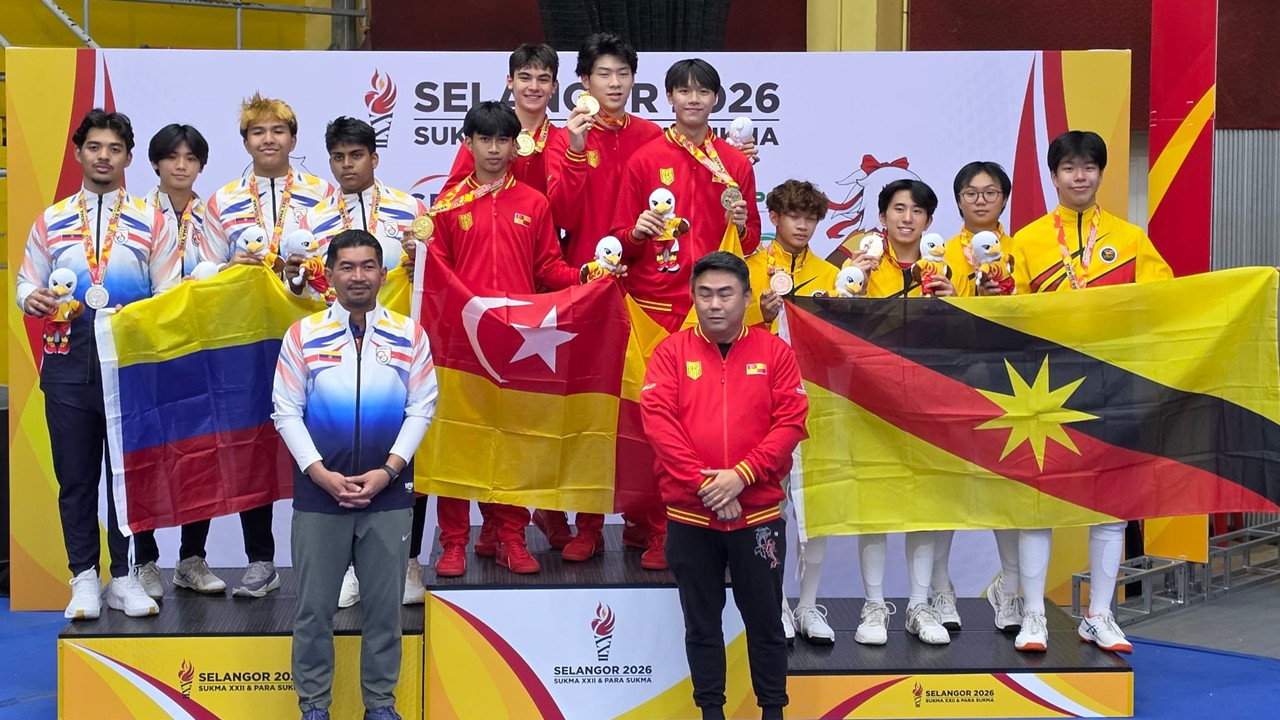
Almost without notice, the last 6 months have seen a significant change in the fortunes of Selangor foil fencers. It started with Jonas Goh Jin Hsien winning the SEAFF Junior Championships, then shortly after that Heng Yu Shern won SUKMA, a month later Saif Nordin won the Malaysian Open. As a team they brought home the coveted Team Men's Foil in SUKMA, joined by cadet fencer Ariff Fairuz. In a dominating display only made exciting by a spirited come-back attempt by Uzair Zafran Badroel Rizwan in the anchor leg in front of a thousand screaming fencing fans at the UiTM indoor stadium.
Importantly, the gold medal haul was shared, it shows the depth of the program, each high-performance athlete with their day in the sun. The piste is nothing if not a stage for drama. To understand the context, there is a need to look beyond the iconic moments where one fencer is embraced by the crowd and the other left wondering, despite the valent attempt.
"To the victor's go the spoils" but what has happened in the last two years in Selangor fencing which has turned the tide for their male foilists?
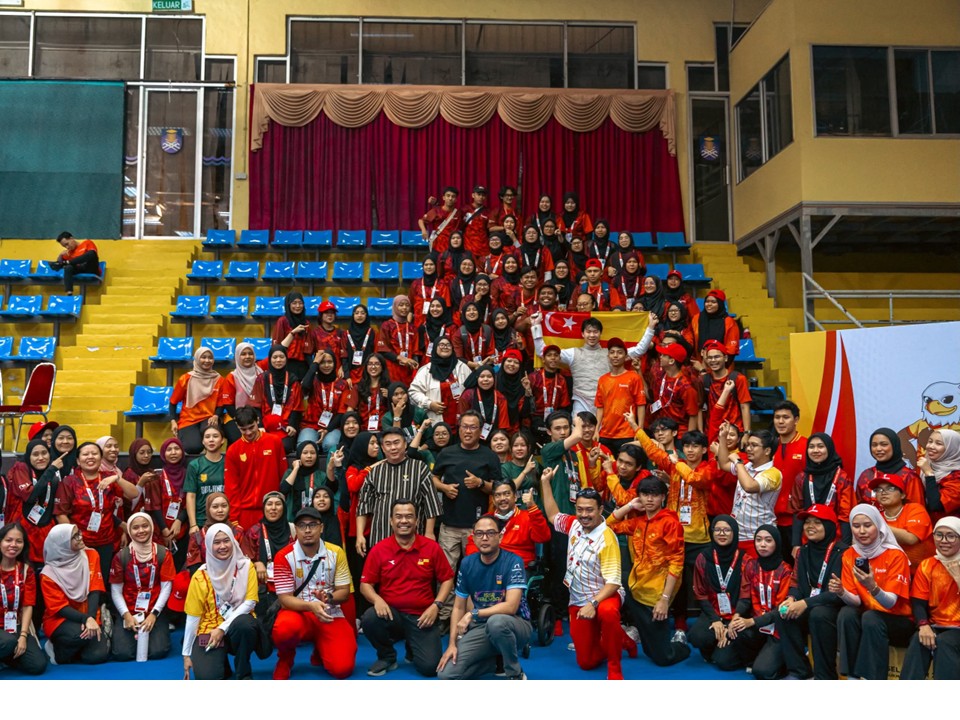
Last SUKMA hosted in Sarawak, Selangor only managed one individual bronze and one team bronze in the men’s foil. No doubt the young team on the piste still had some learning to do and the administration together with the coaching team had yet to hit their stride. It was back to the drawing board after the adventure in Miri.
Something must have clicked, not only has the recent bag of gold medals shown development but since the Sarawak 2024 SUKMA, in that time two of the Selangor foilists have represented Malaysia in the SEA Games in Bangkok, delivery points in all matches and bringing home the silver medal with fencers from other states. What has happened in those two years and what has "Team Selangor" gotten right to make this golden run look natural?
Step one, they stayed with home grown talent. This is testament to the development approach of the Selangor Amateur Fencing Association (SAFA), despite the possibility of bringing into the state outside fencers, sticking with and developing the homegrown talent has paid real dividends. Not just in the recent run of tournament medals, Selangor foilists are regular podium finishers in local and international tournaments at cadet, junior and senior levels.
Step two, regular centralised training sessions and support to train and compete overseas has been a critical component of the success. The state association with the support of the related government agencies and corporate sponsors took both the development squads and high-performance athletes to competitions in Bangkok, while high-performance athletes had local training augmented with sessions in Singapore and Taiwan. This too was done with consultation with the individual athlete to fit into their program. This flexible approach became critical as one athlete was predominately training in the United States.
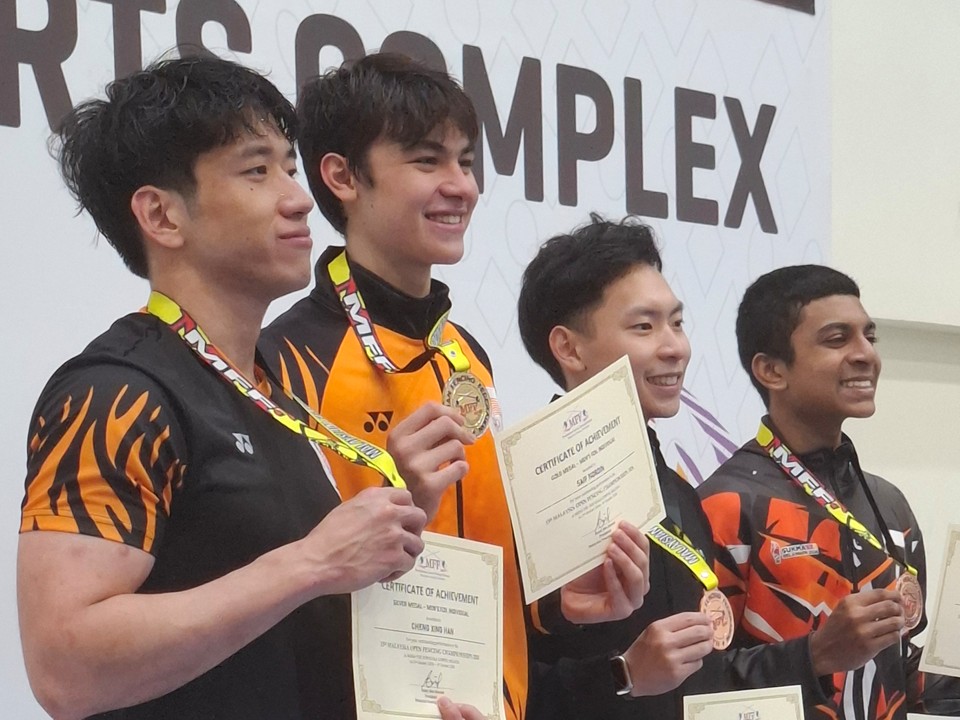
Step three, structured involvement by the government that ensured results for athletes in the KPI reequipments of the agencies. In particular, MSN Selangor have been very supportive, they too have geared up their knowledge of fencing in the last few years, this has allowed them to be an active partner all many levels. Playing a key role, not just with funding but with fitness. “A lean mean fitting machine” was the comment by a former member of parliament who was attending the team finals in a personal capacity, when describing the Selangor men’s foil team that “they should all be in a Korean drama or a boy band.” Strict fitness and fitness testing has yielded results at critical times. Fitness and fencing go hand-in-hand, without it you can't go far. This was a strict requirement by MSN Selangor and monitored by the MSN sports science team made sure it happened.
Step four, the corporate sector in Selangor has also played an important role, supporting with addition resources to supplement the efforts, corporations like KSSB and Yayasan MBI linked directly with the state government. One athlete also benefited from an equipment sponsorship through leading fencing equipment supplier Starmax and SportExcel. This supplementing the efforts of the state fencing association and the resources committed by parents.
Simply put, a structured approach with fluid adaptability that reflects the realities and existing programs that these athletes already have in place.
Getting the process right, has paid dividends, the other important component has been the fencing ecosystem in Selangor which is one of the most developed in the country, especially when looking at the role and recent improvements in the club scene across the state.
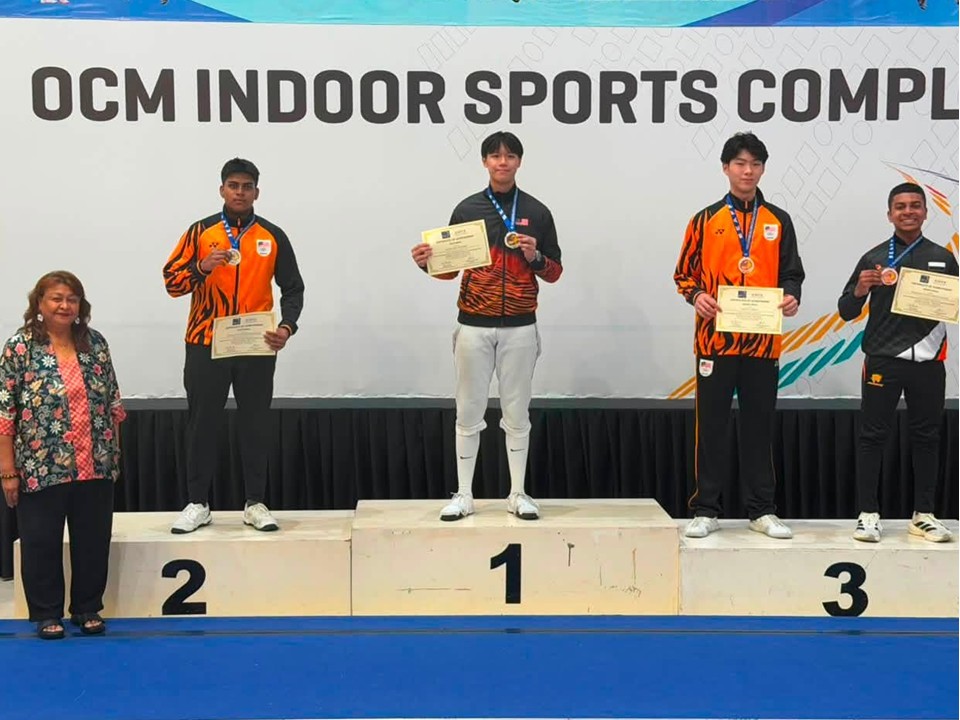
Clubs have expanded in size and facilities since the last SUKMA, namely Elite Fencing in Seri Kembangan, Valor in PJ and Touche Fencing Club in Jaya Shopping Centre all have new facilities which importantly include proper aluminium piste. At the same time, Blade close to the Curve has maintained a mix of aluminium piste and training area. Not all clubs exclusively supply talent to the Selangor team but they are part of the Selangor ecosystem.
Touche Fencing Club, is the latest and most dramatic upgrade in facilities. The club now has 10 full sized aluminium pistes, with extra area for warm ups and equipment storage. The open sparring sessions on Saturday have been a welcome addition to fencers who need to have a safe sparring zone with fencers from other clubs. Many older and fencers who have represented the country in the past are coming back to the sport they love. Which gives the fencers on the cusp of the next level someone to spar with and a mentor to discuss things between bouts. At the same time the number of young fencers joining the club has risen. All positive signs for the future of the sport.
The statewide talent identification program is also looking to get underway. The program will look to identify young talent for the next generation, the base of the developmental pyramid. Selangor will now also play the long game and build a program that other states will have to deal with year in and year out.
Selangor, its clubs and their approach have caught the attention of various government officials and even members of various state legislative bodies tasked with development of the sport of fencing ahead of the next SUKMA. There have been several high-level visits to several clubs in the state to understand the sport and to look at ways to grow fencing in their respective states. With 12 medals up for grabs in multi-sports events like SUKMA, there are too many medals up for grabs for states not to want to take a bite out of the fencing medal tally. Compare that with football with only two gold medals up for grabs, this makes fencing strategically important for overall medal tallies and relatively cheap in terms of development costs.
The process of clubs feeding the state program with the oversight of MSN has stated to pay dividends. It could be argued that the Sarawak SUKMA in 2024 the state MSN’s were still learning the intricacies of the sport, after the sport languished out of the official SUKMA program for many years. Now, at the national level MSN is playing an active role. An upgrade in output will be required at all levels as the government will expect better results with the budgets from official sources. Each state will have to play their part and feed talent into the national contingent.
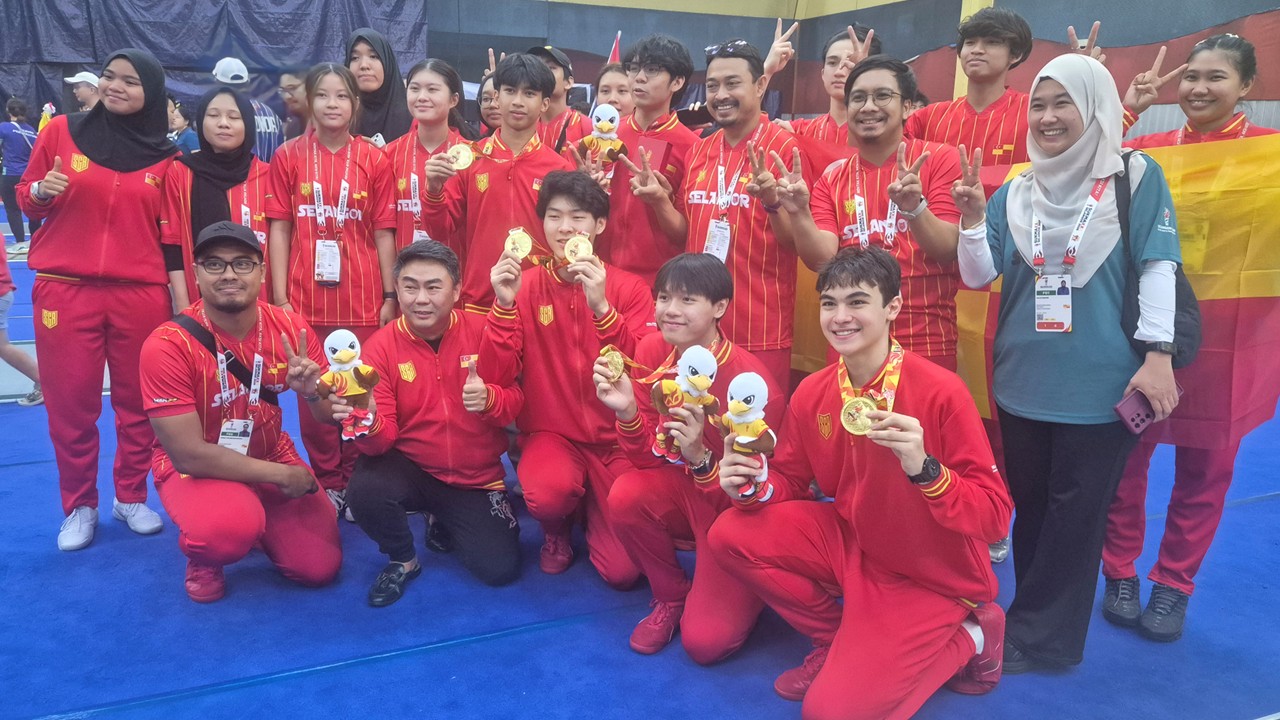
Fencing too has become a high-profile sport with increased media attention, previously a random article might appear after a parent asked a favour of a friend or relative in the media. Now with the recent SEA Games medals, which were broadcast on national television and the attention that SUKMA sports attract the media game has also changed.
Some of the Malaysian fencers have become influencers in their own right, in particular Surayya Rizzal and Natalie Wang have carved out a huge fan bases that love the mix of dramatic sporting action and lifestyle content. Fencing highlight videos from Malaysian competitions regularly get hundreds of thousands of views. The NS Matrix Fencing Festival generated several videos which got over 500,000 views, that viewership record was quickly broken with the SUKMA dramatic come-back video which got over 1 million views.
Couple that with the explosion of sports-based media brands, blogs, commentators and podcasts hungry for content, and fencers willing to do what fencers do best, this trend will only increase the popularity of the sport.
Simply put, fencing is on the media’s radar. That means when you get it right you will know and when you get it wrong you will also know, this is something that athletes and administrators will have to learn to deal with moving forward.
The fencing ecosystem has changed, Selangor has leveraged of its existing headstart and has now started to see the benefits of developing the base of the talent supply chain. Team Selangor which brings together the stakeholders in a convergence of common interest. At the same time, it is important not to forget the sacrifices made by parents in this journey.
States that rely of the sacrifices and financial contributions of parents alone will not be able to compete with states who have an integrated development model. The game has changed, parents too need to realise, they need to be part of the system, contributions and team work are required not trying to achieve results by non-sporting means.
It is a clear formula, there is room for improvement and building the program further. Other states are developing, the race is on for who can be the fencing power house of Malaysia. Some states have taken a different approach which includes the hosting of local and international tournaments, namely Negeri Sembilan, Johor, Malacca and Perak have organised events sanctioned by the Malaysian Fencing Federation (MFF). Funds generated have been channelled into training and equipment for athletes. These tournaments have also benefited the whole fencing ecosystem with fencers coming from around the world to compete and enjoy the tourism attractions in Malaysia.
The formula has come together for foil, now with new épée clubs popping up like JK Fencing (JKF), Riposte Academy of Fencing (RAF) and with clubs like USJ Fencing Center (that have even been able to develop athletes for other states) all have the ability to develop the next layer of talent in the state together with the state association. The race for the next SUKMA has already stated, can Selangor bring the resources to bear on epee?
The game has changed. The rules have remained the same. The mathematics of sports development, a development approach that relies on more numbers at the base and at the top more money spent in a focused manner on the athletes who have the greatest chance of delivering results.
This is the end of “one SUKMA development cycle”, it is time for states with future aspirations to take a good look at where they are and what they can realistically be achieve moving forward. It is also important to remember that it all starts with a young boy or girl with the love of the game.
The government has just announced a new multi-sport competition that will be the final missing piece of the development pyramid, it will be the pathway event between SUKMA and SEA Games, it will include athletes above the age of 21, the game will change again and development cycles will need to adjust, those states with a strong base will be best suited to take advantage of this latest development.