

Thailand-Cambodia maritime talks - ASEAN's regional security
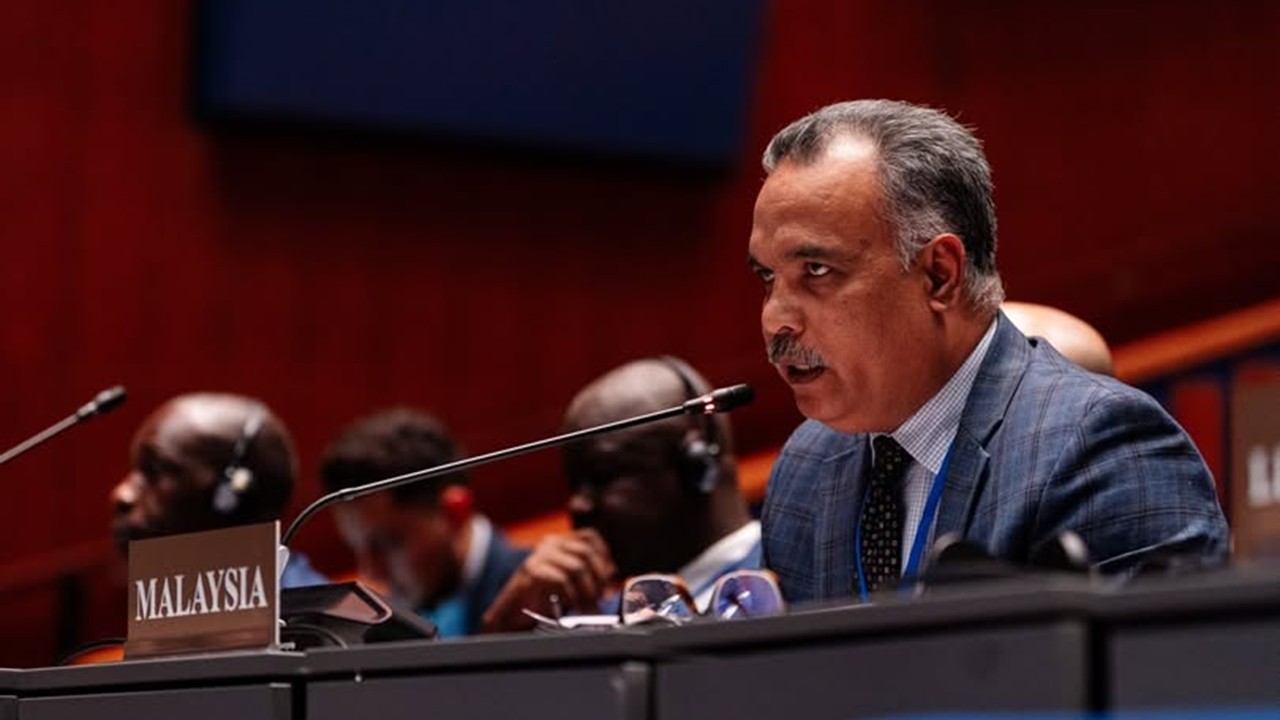
Deputy Prime Minister and Foreign Minister Sihasak Phuangketkeow arrived in Malaysia for the November 24–27 meeting of the Conciliation Commission under the United Nations Convention on the Law of the Sea (UNCLOS), which is examining the longstanding maritime boundary dispute between Thailand and Cambodia in the Gulf of Thailand.
KUALA LUMPUR: Thailand's participation in a third round of United Nations-backed maritime conciliation with Cambodia in Kuala Lumpur comes at a critical time for Southeast Asia, where overlapping territorial claims, competition over offshore resources and growing geopolitical tensions are placing increasing pressure on regional security.
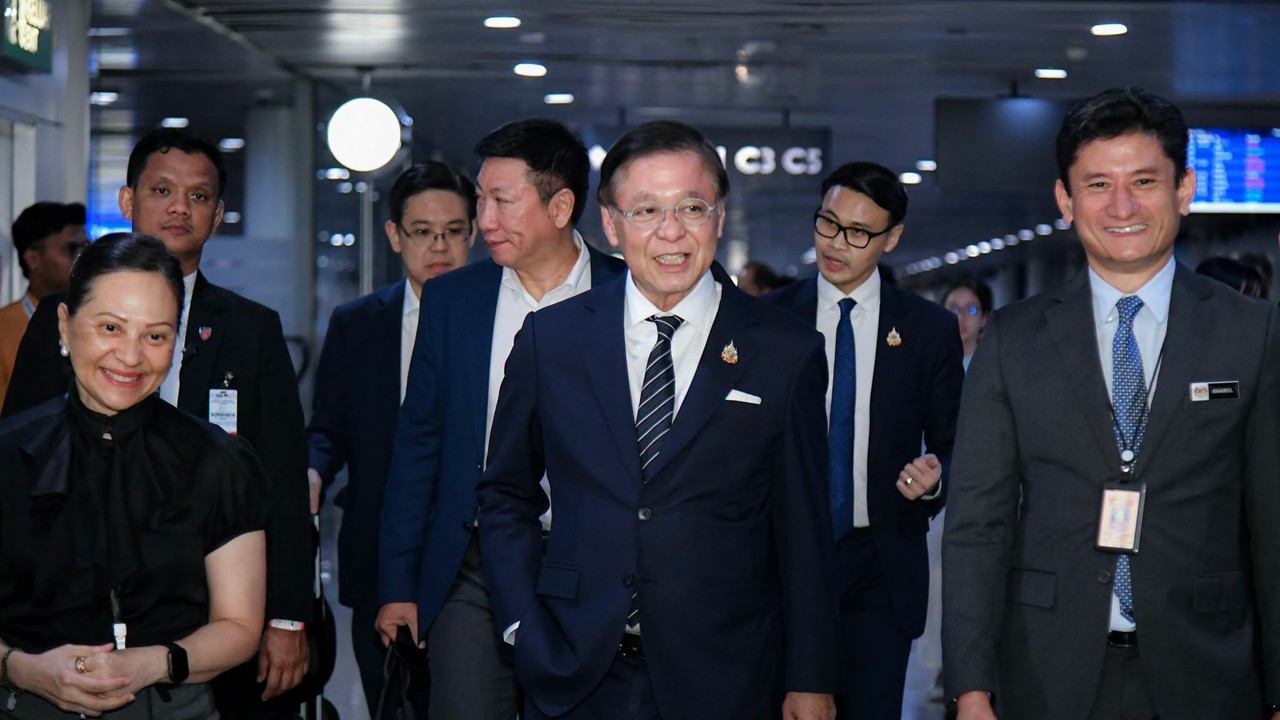
Deputy Prime Minister and Foreign Minister Sihasak Phuangketkeow arrived in Malaysia for the November 24–27 meeting of the Conciliation Commission under the United Nations Convention on the Law of the Sea (UNCLOS), which is examining the longstanding maritime boundary dispute between Thailand and Cambodia in the Gulf of Thailand.
Although geographically separate from the South China Sea disputes, the proceedings carry wider significance for ASEAN, offering a test of whether international law and diplomacy can provide effective mechanisms for managing competing maritime interests before they escalate into security confrontations.
The dispute involves approximately 26,000 square kilometres of overlapping maritime claims, an area believed to contain significant offshore oil and gas resources, potentially worth hundreds of billions of US dollars.
Despite signing a memorandum of understanding in 2001 to establish a framework for negotiations and possible joint development, the two countries failed to reach an agreement.
Thailand terminated the arrangement in May 2026, prompting Cambodia to initiate compulsory conciliation proceedings under UNCLOS on June 2.
The Kuala Lumpur meeting is the third round of discussions, following earlier meetings in Singapore in September and The Hague in October. The second meeting produced an agreement on confidence-building measures, providing the first concrete progress in the process.
The current discussions are expected to focus on technical aspects of maritime boundary delimitation and identifying further areas of common understanding.
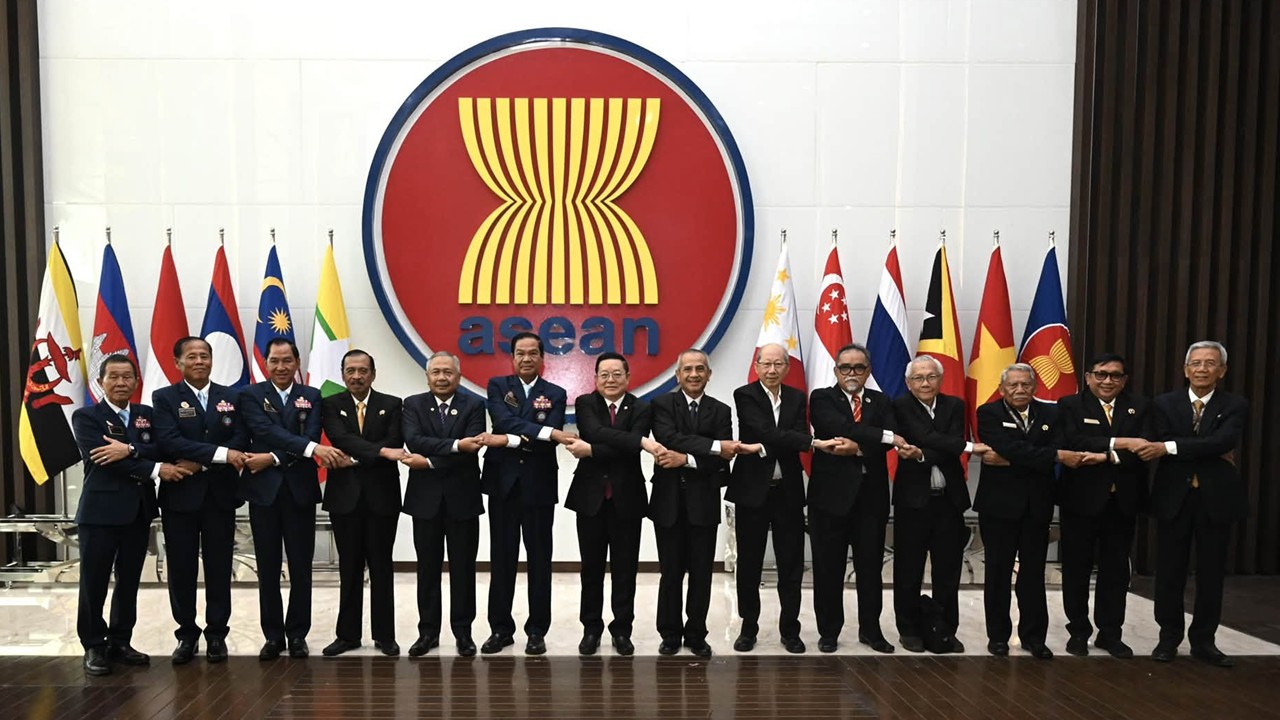
The significance extends beyond the immediate interests of Bangkok and Phnom Penh. Southeast Asia has several unresolved maritime disputes, with questions of territorial sovereignty, exclusive economic zones, fishing rights and access to offshore energy resources continuing to shape regional security.
The South China Sea remains the most prominent example, involving competing claims by China and several ASEAN members, including Malaysia, the Philippines, Vietnam and Brunei. Increasing coast guard deployments, maritime confrontations and military activity have raised concerns about miscalculation and unintended escalation.
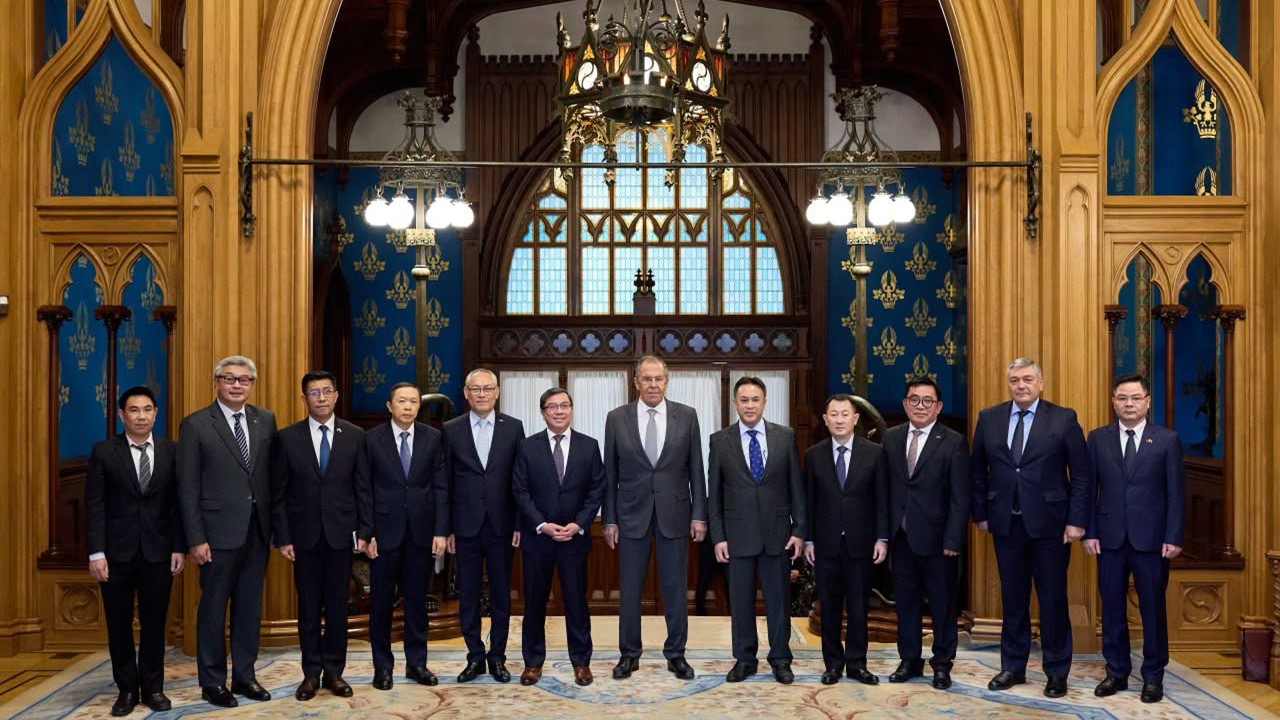
While the Thailand-Cambodia dispute is legally and geographically distinct, its use of UNCLOS conciliation offers a relevant example of how countries can maintain diplomatic engagement when bilateral negotiations fail.
This is particularly important as ASEAN and China continue negotiations on a long-delayed Code of Conduct for the South China Sea, with the Philippines, ASEAN's 2026 chair, seeking to advance an agreement before the end of the year.
The proposed code is intended to manage behaviour and reduce tensions rather than settle underlying sovereignty disputes, highlighting the importance of confidence-building measures alongside longer-term diplomatic negotiations.
For Malaysia, the stability of the surrounding maritime environment is also an economic and national security priority, given its offshore energy interests, commercial shipping routes and maritime claims.
The Gulf of Thailand proceedings therefore provide a wider regional lesson: unresolved maritime boundaries are not simply diplomatic disagreements but can affect investment, resource development and the security of strategically important waters.
However, conciliation does not guarantee a settlement. The commission's role is to facilitate negotiations and make recommendations rather than impose a legally binding decision, leaving the outcome dependent on the willingness of both governments to reach an agreement.
Ultimately, the Kuala Lumpur meeting will test whether Thailand and Cambodia can translate diplomatic engagement into practical progress, while offering ASEAN another example of how international law can help manage maritime disputes in an increasingly contested regional security environment.