

CLMV Leaders Pledge Deeper Regional Cooperation as ASEAN Pushes Connectivity and Development
The 12th CLMV Summit in Hanoi placed regional connectivity, economic competitiveness, supply-chain resilience and narrowing development gaps at the centre of efforts to strengthen subregional cooperation and advance ASEAN Community Vision 2045.
ASEAN is seeking to strengthen economic integration among some of its less-developed member states as Cambodia, Laos, Myanmar and Viet Nam renew their commitment to closer cooperation amid changing regional economic and geopolitical conditions.
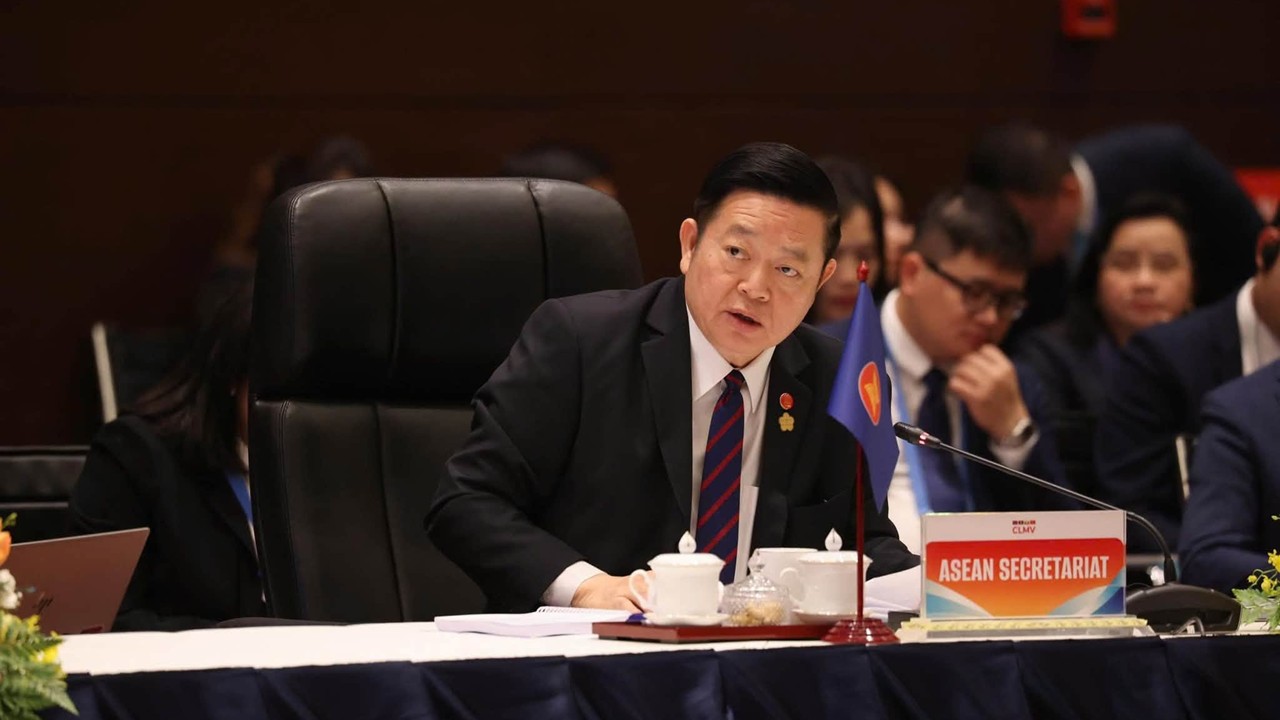
At the 12th Cambodia-Laos-Myanmar-Viet Nam (CLMV) Summit in Hanoi on 28 November 2026, ASEAN Secretary-General Dr Kao Kim Hourn joined the leaders of the four countries to discuss the future direction of subregional cooperation under the theme, “Connecting CLMV – Harnessing Potential – Building a Prosperous Future”.
The discussions focused on strengthening regional connectivity, improving economic competitiveness and building collective resilience, with particular emphasis on ensuring that the four countries can participate more effectively in ASEAN's wider economic and development agenda.
The summit adopted a Joint Statement reaffirming the countries' shared commitment to deeper cooperation and inclusive, sustainable development.
A major priority is improving physical and economic connectivity across the Mekong subregion. The leaders highlighted the need to upgrade transport corridors, modernise border crossings, simplify customs procedures and improve maritime, aviation and logistics networks to reduce the cost and time involved in moving goods across borders.
Economic integration was another central issue, particularly the need to help businesses in the four countries move further up regional and global value chains. The leaders emphasised stronger investment facilitation, digitalisation of administrative procedures and greater private-sector participation in infrastructure, logistics, agriculture, agro-processing and the green transition.
The summit also highlighted the importance of supporting micro, small and medium-sized enterprises, including businesses led by women and young entrepreneurs, through improved access to technical assistance, investment and regional markets.
Digital transformation and regional security also featured prominently. The countries recognised the importance of expanding broadband access, digital infrastructure and electronic payment systems while strengthening cooperation against cyber threats, online scams, high-technology crime and other forms of transnational criminal activity.
Environmental sustainability and the management of shared natural resources formed another important dimension of the discussions. The leaders stressed the need for sustainable management of Mekong River resources, alongside greater cooperation on renewable energy, cross-border electricity networks, energy efficiency and climate resilience.
Tourism cooperation was also identified as an opportunity to generate economic benefits, with efforts to improve travel connectivity, promote cultural heritage and develop joint tourism initiatives across the four countries.
The summit's outcomes reflect a broader effort to ensure that subregional cooperation translates into practical economic benefits while addressing persistent differences in development capacity among ASEAN members.
For ASEAN, narrowing these development gaps remains essential to building a more cohesive and competitive regional community. The CLMV cooperation framework is closely aligned with the ASEAN Community Vision 2045 and the wider regional integration agenda.
Dr Kao's participation underscored ASEAN's continued commitment to supporting the four countries in strengthening their institutional and economic capacities, improving competitiveness and expanding their participation in regional integration.
The Joint Statement reaffirmed the shared ambition to harness the collective potential of Cambodia, Laos, Myanmar and Viet Nam while ensuring that their development remains inclusive and sustainable.