

Malaysia reaffirms commitment to global chemical weapons ban
Malaysia has reiterated its commitment to the international prohibition of chemical weapons, highlighting its capacity-building efforts and ongoing review of domestic legislation at a global conference in The Hague. Source: Embassy of Malaysia in The Hague
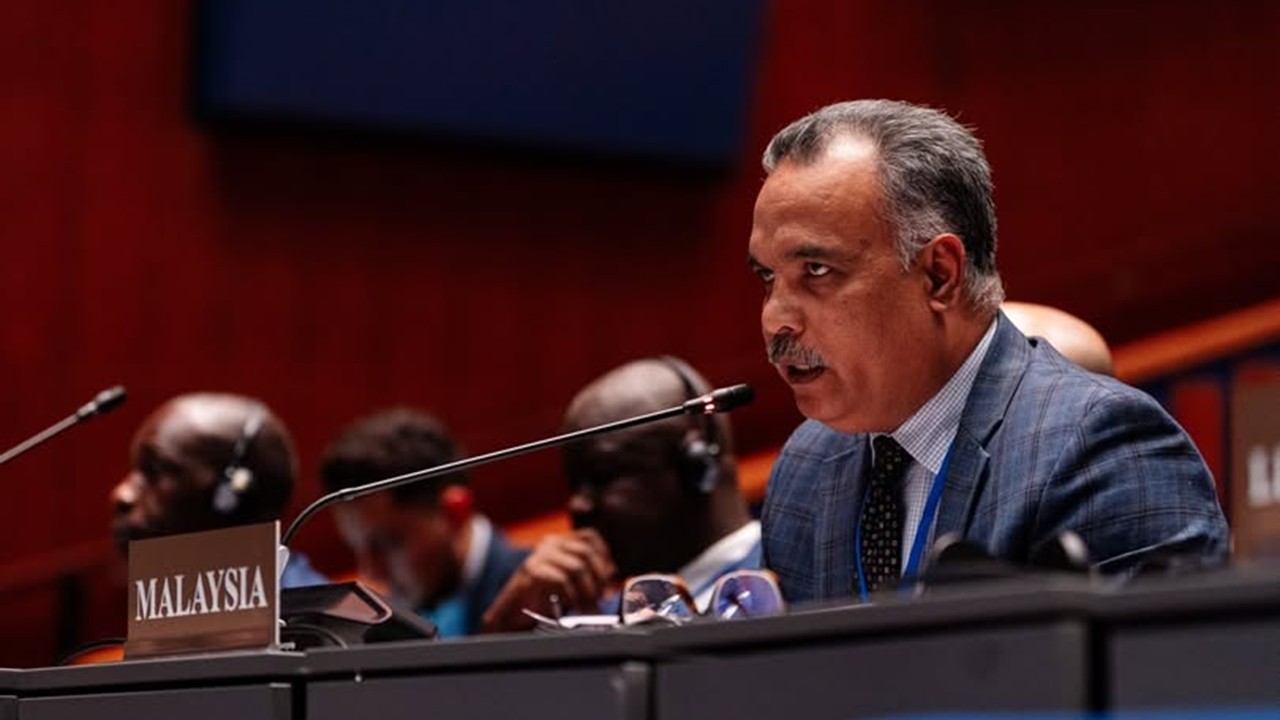
Malaysia has reaffirmed its commitment to a world free of chemical weapons, highlighting its role in strengthening international cooperation and national implementation of the Chemical Weapons Convention (CWC).
H.E. Dato' Roseli Abdul, Malaysia's Ambassador and Permanent Representative to the Organisation for the Prohibition of Chemical Weapons (OPCW), delivered the country's national statement during the General Debate of the 31st Session of the Conference of the States Parties (CSP-31) in The Hague on 24 November 2026.
In his statement, Roseli reiterated Malaysia's full commitment to the Convention and its objectives, while highlighting the country's contributions to capacity building and the ongoing review of its national legislation governing chemical weapons.
Malaysia signed the Chemical Weapons Convention on 13 January 1993, shortly after it was opened for signature in Paris. It subsequently ratified the treaty on 20 April 2000, with the Convention entering into force for Malaysia on 20 May that year.
The Convention, which entered into force internationally on 29 April 1997, prohibits the development, production, acquisition, stockpiling, retention, transfer and use of chemical weapons. It also requires States Parties to destroy their existing chemical weapons stockpiles and production facilities, subject to the treaty's verification regime.
Malaysia's domestic implementation is supported by the Chemical Weapons Convention Act 2005 (Act 641), which came into force on 1 September 2006, alongside the establishment of the National Authority for the Chemical Weapons Convention under the Ministry of Foreign Affairs.
The National Authority coordinates Malaysia's obligations under the treaty, including engagement with the OPCW, chemical industry declarations, verification inspections and national capacity building.
Malaysia's emphasis on capacity building also reflects the importance of strengthening the ability of countries, particularly in Asia, to implement the Convention effectively, maintain chemical industry compliance and respond to potential chemical incidents.
The OPCW, headquartered in The Hague, oversees implementation of the Convention through verification, inspections, international cooperation and assistance programmes. The organisation was awarded the 2013 Nobel Peace Prize for its extensive work towards eliminating chemical weapons.
Malaysia's participation in CSP-31 reinforces its continued engagement with the multilateral disarmament framework and its support for international efforts to prevent the re-emergence of chemical weapons.