

Türkiye rules out Yemen troop deployment as defence pact with Saudi Arabia takes shape
Turkish Foreign Minister Hakan Fidan says Ankara's immediate priority under the Mecca Joint Defence Agreement with Saudi Arabia and Pakistan is protecting Saudi territory, not deploying troops inside Yemen, as the emerging security partnership seeks to strengthen regional defence cooperation.
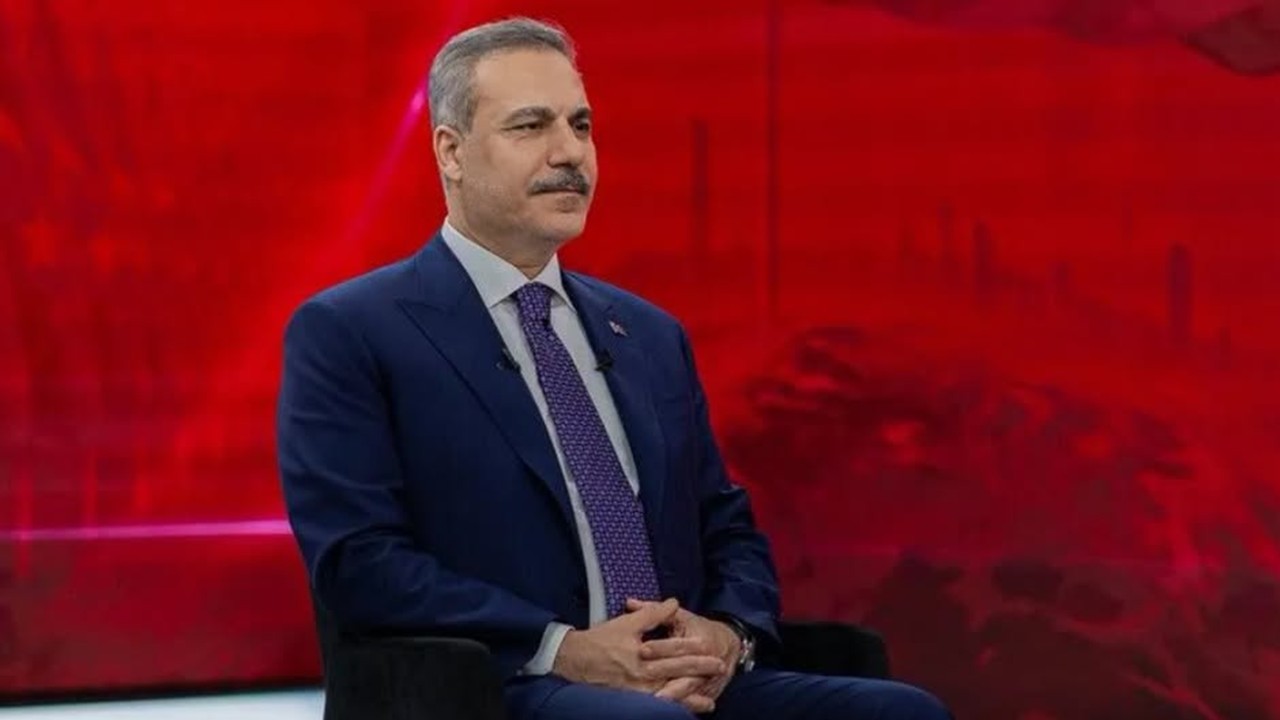
Türkiye has no immediate decision to deploy troops inside Yemen, with Foreign Minister Hakan Fidan stressing that Ankara's military policy under its emerging defence partnership with Saudi Arabia and Pakistan remains focused on protecting Saudi Arabia.
Speaking in a television interview with Turkish broadcaster TGRT Haber on Saturday, Fidan said Türkiye was already providing the necessary support for Saudi Arabia's defence, while emphasising that any military involvement in Yemen would require a separate decision.
"Our current policy is aimed at the defence of Saudi Arabia; no decision has been made on deploying troops inside Yemen. However, the necessary support is being provided in defending Saudi Arabia," he said.
The remarks offer an important clarification on the scope of the Mecca Joint Defence Agreement, signed by Türkiye, Saudi Arabia and Pakistan in August, amid escalating security concerns involving Yemen's Houthi movement and attacks affecting regional maritime routes.
The agreement is intended to strengthen collective security cooperation, with an armed attack against one member treated as an attack against all. However, Fidan stressed that the arrangement should not be interpreted as an automatic commitment to offensive military operations.
He explained that the agreement's collective-defence provisions would not automatically trigger military deployments. Any response would require assessments of the threat, intelligence-sharing, coordinated defence planning and the necessary authorisation from Türkiye's parliament.
Fidan also stressed that the Mecca security arrangement was not directed against any particular country. Instead, it was designed to build trust among participating states while expanding cooperation in defence industries and broader economic relations.
Defence-industry cooperation is expected to become a central pillar of the partnership, particularly in areas where member countries can share capabilities, technology and expertise.
The Yemen conflict nevertheless presents a significant challenge to regional security. Fidan noted that Saudi Arabia already cooperates with nearly 30 countries on Yemen, while repeated US, British and European military strikes against Houthi targets have failed to bring the conflict to an end.
He also pointed to Houthi attacks around the Bab el-Mandeb Strait as evidence that the conflict has developed into a wider international security concern, with implications for commercial shipping and maritime trade.
The strategic importance of the agreement extends beyond Yemen. Türkiye is also promoting what Fidan described as a more proactive approach to regional diplomacy, built around smaller multilateral arrangements capable of responding to emerging security challenges.
These include the Regional Quad (R4), comprising Türkiye, Egypt, Pakistan and Saudi Arabia, alongside the Gaza Group of Eight. Ankara has also convened the European Quad (E4), involving France, Germany, Italy and the United Kingdom.
Fidan said Türkiye had hosted meetings involving the R4 and E4 in Istanbul and that a further meeting could take place in Berlin next month.
He argued that informal diplomatic platforms allow participating countries to discuss sensitive matters more openly, without the formal obligations associated with larger international institutions.
Another issue raised by Fidan was the protection of international maritime chokepoints. He recalled Türkiye's proposal at the G20 foreign ministers' meeting in the United States last month for a binding international declaration guaranteeing uninterrupted commercial passage through strategically important waterways.
These include the Strait of Hormuz, the Turkish Straits, the Strait of Gibraltar, the Strait of Malacca and the Panama Canal.
His remarks are particularly significant for Asian economies, given the importance of the Strait of Malacca to global energy shipments and international merchandise trade.
For Southeast Asia, the evolving security architecture involving Türkiye, Saudi Arabia and Pakistan is worth watching. While the immediate focus is the defence of Saudi Arabia, the partnership reflects a broader effort by regional and middle powers to develop additional security arrangements and strengthen their influence over strategic trade routes.
The distinction between collective defence and offensive military intervention remains central to the agreement. Fidan's latest comments suggest Ankara wants to reinforce its security commitments to Riyadh without being drawn automatically into the conflict inside Yemen.
Source: Yeni Şafak English, reporting by Anadolu Agency (AA), November 22, 2026, with additional context from Anadolu Agency.