

After the Haze: Why Women Should Pay Attention to Sleep, Heart and Lung Health
As Southeast Asia recovers from another bout of haze, women juggling careers, family and busy lifestyles should not ignore persistent fatigue, disrupted sleep or breathing difficulties.
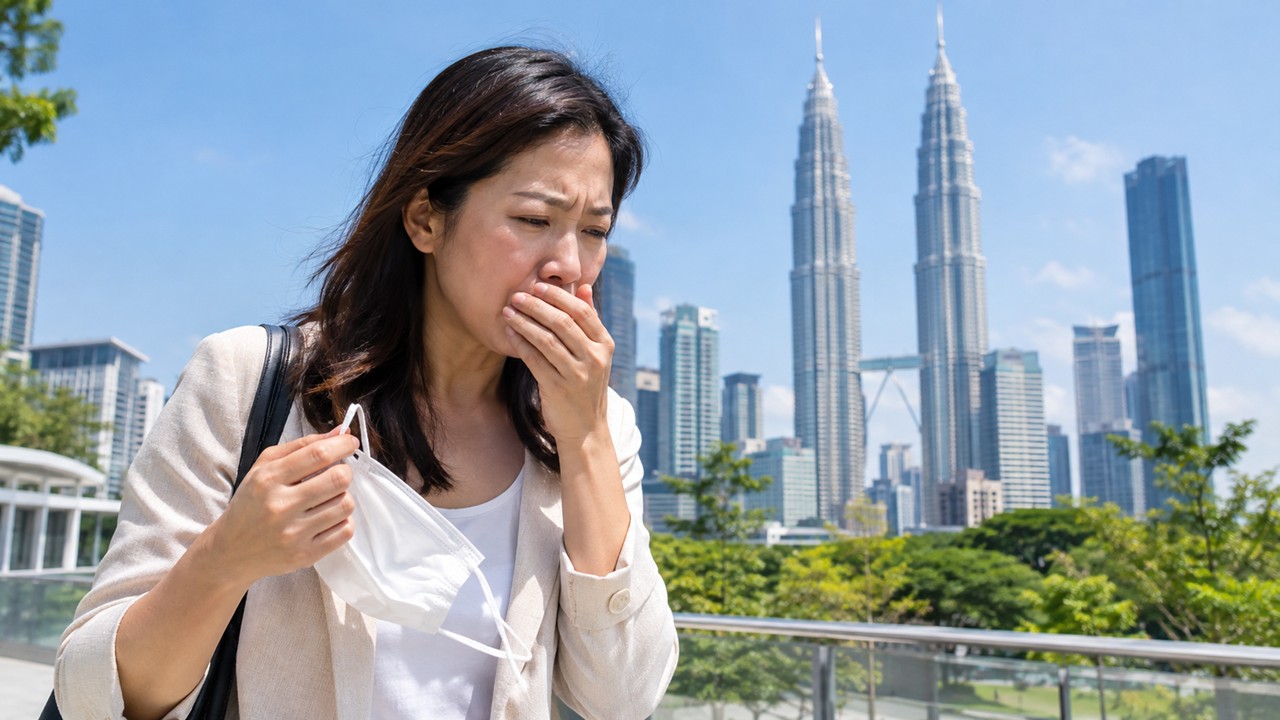
When the skies clear after a haze episode, it is tempting to assume that the health effects disappear with the smoke. Yet for some women, the aftermath may be less obvious: restless nights, lingering fatigue, headaches, coughing or feeling unusually breathless during everyday activities.
For women aged 30 to 50, these symptoms can easily be attributed to stress, hormonal changes or the demands of a busy lifestyle. However, exposure to fine particulate matter in polluted air can affect the lungs and cardiovascular system, while research also links air pollution with neurological and mental health concerns.
Fine particles can penetrate deep into the lungs, and some can enter the bloodstream. Exposure can contribute to inflammation and increase cardiovascular risks. Poor sleep, anxiety about air quality and reduced opportunities for outdoor exercise can further affect wellbeing.
The important question is what happens after the haze has passed. Persistent coughing, wheezing, unusual breathlessness or chest discomfort should not simply be dismissed as lingering effects of pollution. Medical assessment can help identify whether respiratory or cardiovascular problems require treatment.
For those looking to get back on track, recovery should begin with good sleep habits, adequate hydration, a gradual return to physical activity when air quality improves, and appropriate medical attention for continuing symptoms.
Hyperbaric oxygen therapy (HBOT) is another option attracting interest in the wellness sector. The treatment involves breathing oxygen in a pressurised chamber and has established medical uses for specific conditions. However, it has not been established as a treatment for haze-related fatigue, sleep disruption or lingering respiratory symptoms, and it should not replace medical evaluation.
Japanese Healing is among the wellness providers offering HBOT in Malaysia, bringing the therapy into conversations about recovery, health maintenance and wellbeing. For women considering this approach, understanding the treatment, its evidence and its limitations is essential. Consultation with a qualified healthcare professional should come first, particularly for anyone experiencing persistent breathing difficulties or cardiovascular symptoms.
Ultimately, getting back on track after the haze is about more than feeling energetic again. It means taking sleep, mental wellbeing, heart health and lung function seriously, while making informed choices about the therapies that may form part of a broader recovery plan.
If you are curious about how the Japanese Healing team can get you started on your journey of feeling better, visit www.japanese-healing.com for more information. To book a session at their outlet at Plaza Damas 3 or Publika Shopping Centre in Kuala Lumpur, Malaysia, contact +6012 656 1388 or drop a quick email to japanese.healing.kl@gmail.com.