


Circular Economy in Products and Exhibition Practices
Recycled plastics, reclaimed timber and longer-lasting household products are among the innovations on display at the 140th Canton Fair, as China’s flagship trade exhibition highlights efforts to reduce waste and extend the useful life of materials.
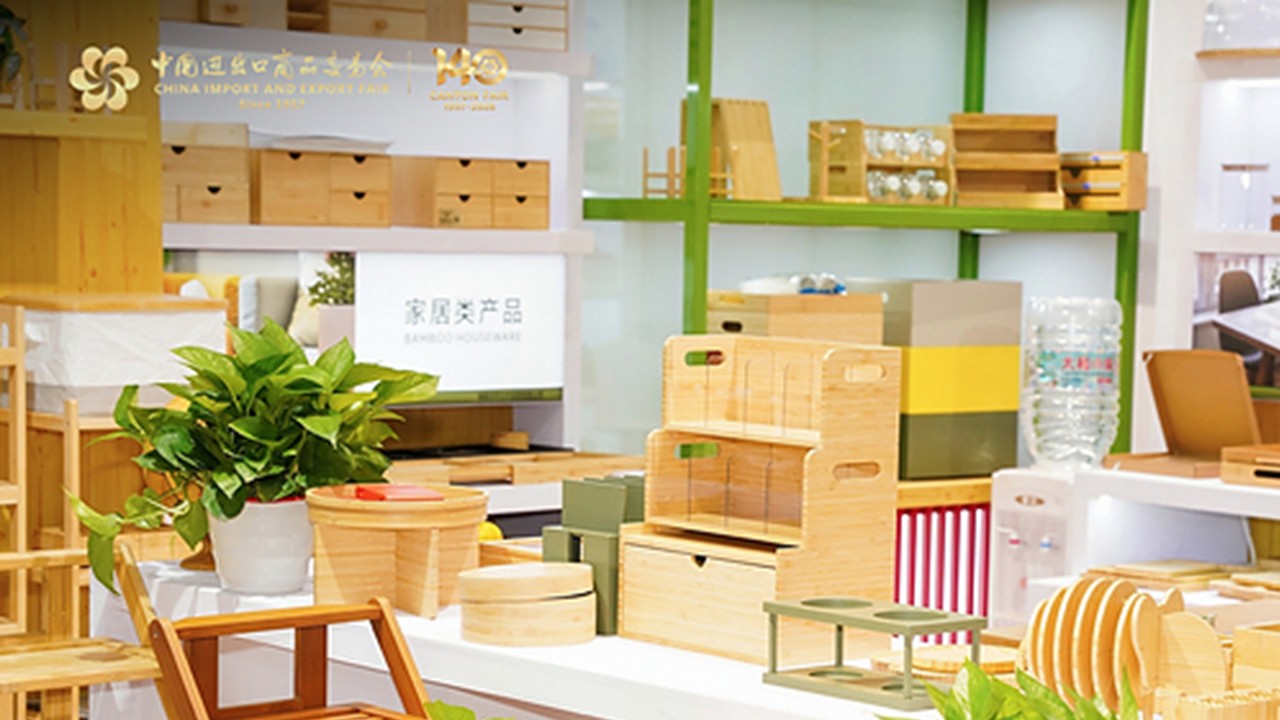
GUANGZHOU, China — The shift towards a circular economy is gaining visibility in consumer manufacturing, with exhibitors at the 140th China Import and Export Fair showcasing products designed to last longer, incorporate recycled materials and reduce reliance on virgin resources.
The fair, widely known as the Canton Fair, is also applying these principles to its own operations, replacing disposable exhibition structures with modular systems that can be reused across events.
Among the products featured are sleep solutions incorporating bio-based and lower-carbon materials, alongside designs intended to improve durability, repairability and recyclability.
Manufacturers are increasingly considering what happens to products after their initial use, including whether components can be repaired, materials recovered and products kept in service for longer.
These considerations offer an alternative to the conventional model of producing, consuming and discarding goods, although the environmental benefits ultimately depend on factors such as material sourcing, manufacturing processes, product lifespan and the effectiveness of recycling systems.
Furniture exhibitors are also demonstrating how discarded materials can be given a second life. Some seating products incorporate recycled plastics recovered from discarded appliances and marine waste, turning materials that might otherwise be discarded into consumer goods.
The use of reclaimed wood offers another approach. Rather than relying exclusively on newly harvested timber, furniture makers can reuse existing materials while preserving their character and extending their useful life.
Such products illustrate how circular design can become part of product development rather than an afterthought at the end of a product's lifespan.
However, incorporating recycled content alone does not guarantee a lower environmental impact. The durability of the finished product, the energy required for processing, the availability of collection infrastructure and the ability to recover materials at the end of their useful life all influence the overall outcome.
For manufacturers and international buyers, these considerations are becoming increasingly relevant as sustainability requirements influence procurement decisions and product development.
The Canton Fair's circular-economy approach extends beyond the goods displayed at its exhibition halls. According to the organisers, the event has spent the past decade developing greener exhibition practices to address the construction waste traditionally associated with large trade shows.
The fair has adopted modular, reusable booth systems in place of conventional structures designed for one-time use. The approach is intended to reduce waste generated during the construction and dismantling of exhibition spaces while improving operational efficiency and safety.
The organisers said experience gained through these initiatives had contributed to the development of national standards covering green exhibition booths, exhibition operations and venue safety management. The practices have also provided a framework for other exhibitions and venues across China.
The emphasis on reusable infrastructure is significant because major trade fairs require substantial quantities of construction materials, decorative components, packaging and temporary installations. Reusing these materials can reduce demand for new resources and limit the volume of waste generated after an event.
The environmental results, however, depend on how frequently components are reused, how they are transported and maintained, and what happens when they eventually reach the end of their service life.
The 140th Canton Fair opened on October 15 and runs until November 4, with the exhibition divided into three phases covering different product categories. The event also marks the fair's 70th anniversary.
According to figures released by the organisers in September, more than 32,000 enterprises were expected to participate in the 140th edition, while more than 220,000 overseas buyers had already pre-registered.
The scale of the exhibition gives it a platform to introduce international buyers to manufacturing innovations and emerging product-design approaches. It also places responsibility on organisers and exhibitors to demonstrate that sustainability commitments translate into measurable improvements in resource use and waste management.
As businesses face growing pressure to account for their environmental impacts, circular-economy principles offer a way to rethink both what manufacturers produce and how commercial activities are organised.
For the Canton Fair, the challenge is to ensure that the products and practices presented as sustainable deliver benefits throughout their life cycles, from the sourcing of raw materials to manufacturing, use, repair and eventual recovery.