

Weight Is More Than Just Numbers: How Amir Daniel’s Nutrition Team Supports His Judo Ambitions
After years of battling brutal weight cuts, Malaysian judoka Amir Daniel has found a winning formula. With the guidance of nutritionist Ms Loo and the national nutrition team, his move to the under 81kg category has delivered improved health, renewed confidence and a SEA Games gold medal, with the Glasgow 2026 Commonwealth Games now firmly in his sights.
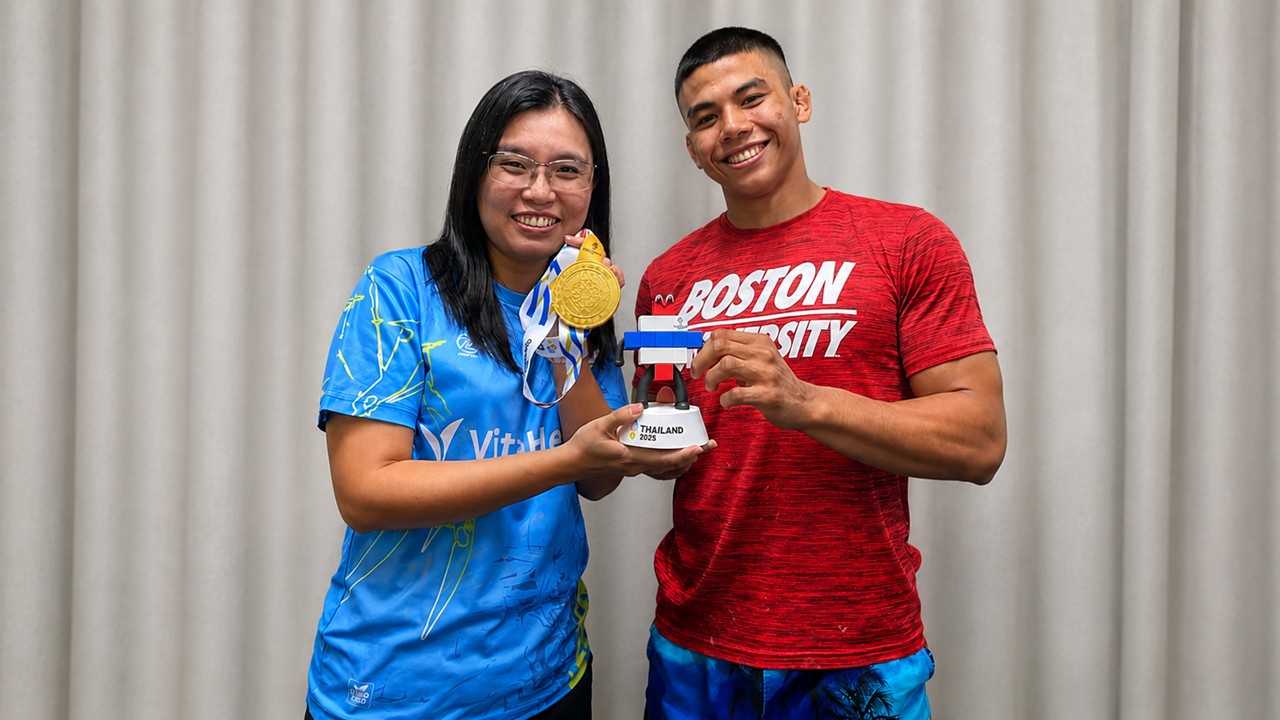
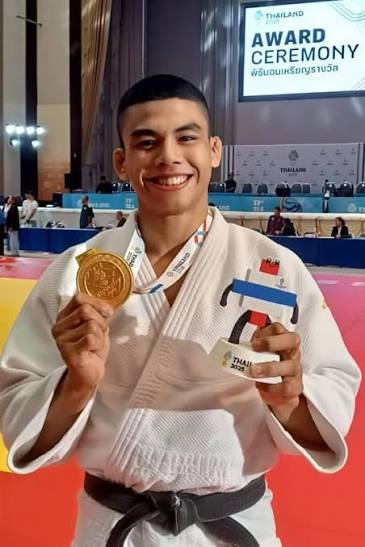
After winning Malaysia’s first medal in judo at the 2022 Birmingham Commonwealth Games, Amir Daniel is all set for podium at the upcoming Glasgow Commonwealth Games. Two years ago, he moved up from the 73kg to the 81kg category and claimed victory in the men’s -81kg category at the 2025 SEA Games in Thailand.
Behind this historic moment lies a lesser-seen struggle, one that many combat sport athletes quietly face: the struggle to make weight. From extreme weight cuts to sustainable performance, Malaysia’s SEA Games judo champion shares a deeper story behind his gold medal victory.
A Turning Point in Weight Category
Earlier in his career, Amir Daniel competed in the -73 kg category. However, his waking body weight ranged between 80 to 85 kg, placing him well above the competition limit. In combat sports like judo, athletes commonly reduce 5% of their body weight before the official weight-in. For Amir Daniel, the gap was far greater, exceeding 10%.
“I was trying to lose weight through dieting and weight cutting, but it started to affect my health. I experienced gastric issues and inflammation in my gastrointestinal tract,” he shared.
This chronic physical toll signalled the need for a change in his weight category. With guidance from his nutritionist, Ms Loo, and in consultation with his coach, Amir Daniel decided to move up to the -81 kg category. This decision was no longer just about performance, it was about protecting his health.
The Role of My Nutritionist: More Than Just Diet Plans
A key figure in Amir Daniel’s journey has been his nutritionist, whom he describes as a constant source of support. “I am very close with Ms Loo. I can text her anytime and talk about anything,” he said.
In a sport where weight management is critical, having professional guidance helped Amir Daniel adopt a safer, more structured and sustainable approach. Through continuous nutrition support, he learned how to manage his weight safely, recover properly after dieting, and optimise his nutrition and hydration before, during, and after training and competitions.
“My nutritionist is well experienced, approachable and very helpful. It does help a lot in helping me maintain my performance and it makes my journey easier,” he added.
The Reality of Weight Making Challenges
Despite his experience in weight cutting, Amir Daniel admits that weight-making has never been easy. In fact, there were multiple occasions where he failed to meet the required weight while competing in the -73 kg category. “That was one of the reasons I decided to move up,” he said.
One of the most challenging moments came during the 2023 SEA Games in Cambodia. At that time, Amir Daniel weighed approximately 88 kg but still needed to compete in the -73 kg category, requiring an extreme weight cut of 15 kg in just two weeks. “It was a very painful and difficult period for me,” he recalled. “That experience became a turning point.”
Finding Balance in Weight Management
Over time, Amir Daniel developed a safer approach to weight-making. While he still occasionally practices acute weight loss strategies, such as adjusting water intake and manipulating fibre and carbohydrate consumption, he emphasised that these methods must be done carefully to minimally affect training performance.
“When done properly and in a strategic way, it doesn’t negatively affect my energy, strength, or performance,” he explained. “In fact, they can help me train better.”
The key lesson he has learned from previous experiences is simple yet powerful: moderation. “Dieting doesn't mean restricting every food,” he said. “I still eat the foods I enjoy, but in controlled portions.”
He believes that overdoing anything can lead to negative effects. Everything should be in moderation because failing to manage it properly can lead to consequences later. He also highlights a common practice among judo athletes - a cycle of over-restriction followed by overeating.
“If you restrict food intake too much, after the competition you may end up eating excessively, and your weight will increase more than the safe range,” he noted.
Advice for the Next Generation
Having gone through many highs and lows of competitive judo at a very young age, Amir Daniel hopes that young athletes can learn from his mistakes. “I always tell my juniors not to eat until they have a food coma,” he said with a laugh. “Some of them cut a lot of weight, but then they overeat afterwards.”
His advice is straightforward: eat according to training needs, not beyond them. For coaches, he hopes that more will encourage safer weight making approaches especially to growing athletes and be willing to work with experienced sports nutritionists.
“Traditional weight cutting methods like reducing carbohydrates and water for weeks can be harmful to athletes' bodies,” he stressed. “Early and strategic planning can ensure athletes eat enough to support training and performance while making weight,” he added. Many coaches often set unrealistic weight targets for growing teenage athletes. It is important to remember that when adolescent athletes grow taller, their weight category should also be adjusted appropriately.
A Journey Beyond Gold
Amir Daniel’s story is not just about winning a gold medal, it is about learning through mistakes and understanding the importance of good health for better performance. His journey highlights the vital role of nutrition in supporting both performance and long-term athlete health. This highlights the growing importance of structured sports nutrition support for grassroots athletes. In Malaysia, the Sports Nutrition Academy Malaysia (SNAc) provides evidence-based nutrition guidance to optimise health and performance in grassroot athletes and parents.
Malaysia will be sending 59 athletes to compete at the Glasgow 2026 Commonwealth Games, happening from July 23 to August 2, 2026. The Malaysian contingent is targeting five golds, two silvers, and four bronzes. These medals are primarily expected in weightlifting, track cycling, lawn bowls, judo, para powerlifting, and para-athletics.