

Malaysia looks to gear-up for deeper global role
Malaysia must strengthen its engagement with ASEAN and wider Asian markets as global economic uncertainty reshapes trade, investment and supply chains, while building domestic technological capabilities and a more resilient, self-reliant economy, a keynote address at an ASLI post-Budget dialogue has emphasised.
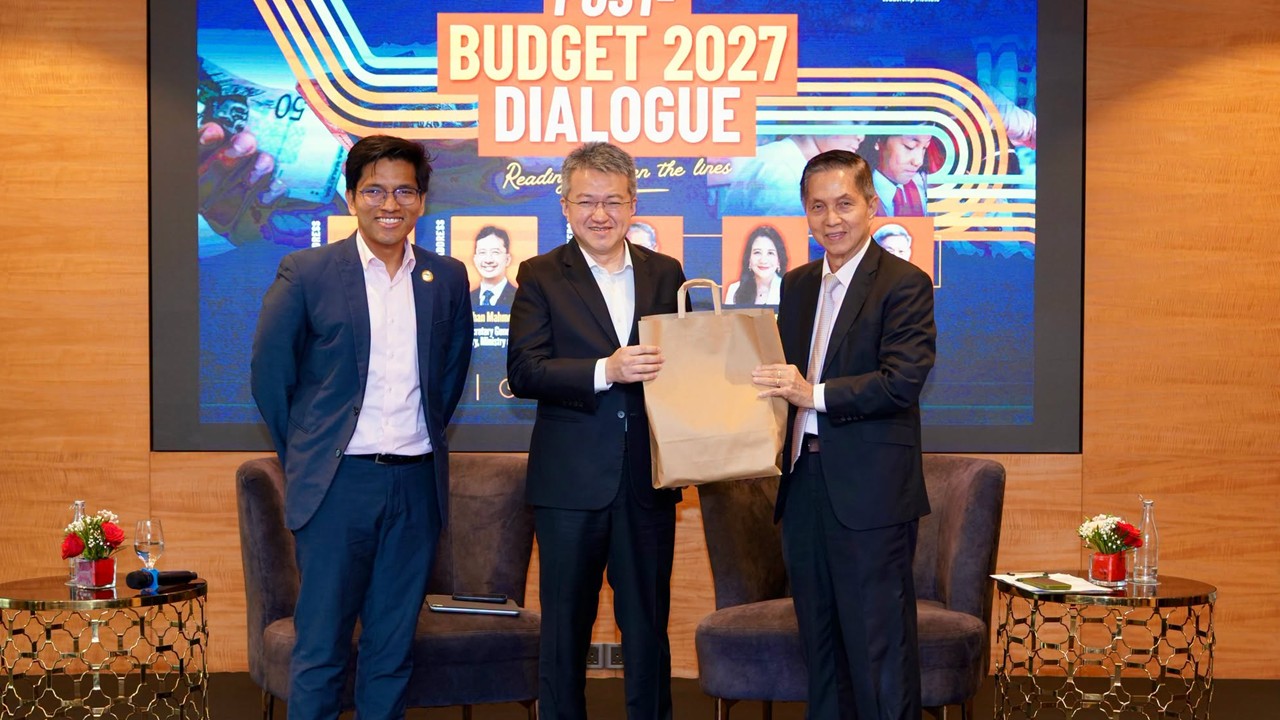
Malaysia's economic future will depend not only on domestic reforms but also on its ability to deepen engagement with ASEAN and the wider Asian region as global economic relationships undergo significant realignment. This was among the key themes raised at the Asian Strategy & Leadership Institute (ASLI) Post-Budget Dialogue, where the country's economic direction beyond neoliberalism was discussed against a backdrop of growing international uncertainty.
The keynote address called for a more collaborative approach to economic governance, grounded in the Malaysian spirit of gotong-royong, national solidarity and a middle path between unrestricted market liberalisation and excessive state intervention. With ASEAN becoming increasingly important to global manufacturing, investment and supply-chain diversification, Malaysia has an opportunity to strengthen regional partnerships while developing greater economic independence.
The address also highlighted difficult domestic policy choices, including fuel subsidy reform, the debate between the Sales and Service Tax (SST) and Goods and Services Tax (GST), labour market reform and the transition from being merely a country where products are made to one whose companies own the technology, expertise and intellectual property behind them. This requires greater investment in engineering capabilities, indigenous technology and domestic enterprises.
The regional dimension is particularly important as Malaysia seeks to capture opportunities arising from changing global supply chains and stronger economic integration across Asia. Deeper cooperation with ASEAN partners, alongside engagement with major Asian economies, could help Malaysian businesses access new markets, attract investment and participate in higher-value manufacturing and technology industries.
The session was attended by ASLI chief executive officer Danial Rahman, former minister Dato' Sri Mustapa Mohamed and Tan Sri Dato' Chew Chee Kin, chief adviser to the chairman of Sunway Group. The central message was that Malaysia's resilience will depend on combining domestic industrial development with stronger regional economic relationships, ensuring that the country remains an active participant in Asia's changing economic landscape.