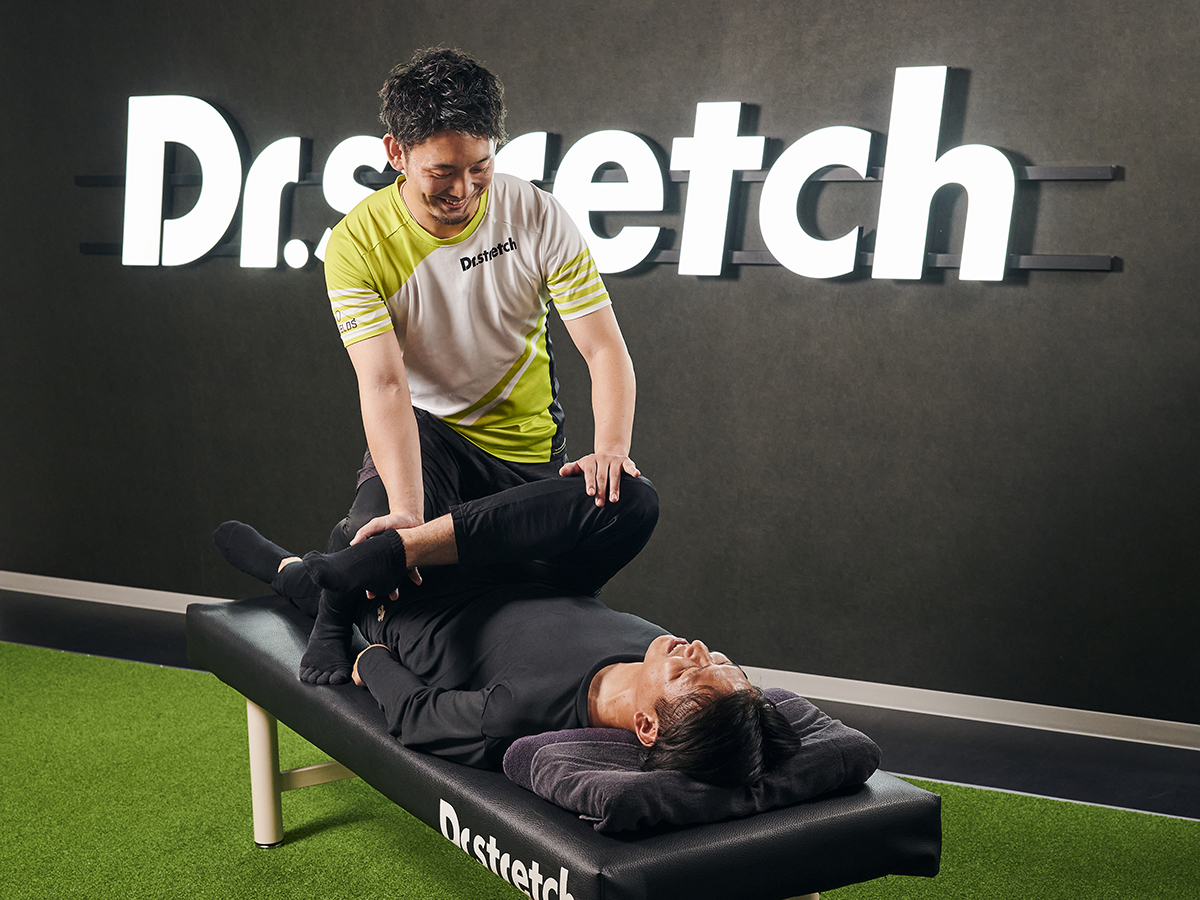


From Tokyo Offices to Southeast Asia: How Japanese Healing Supports Desk Workers

Across Malaysia, the modern workday looks very different from a decade ago. Hybrid schedules, long hours at laptops and constant screen exposure have become the norm, especially in urban centres like Kuala Lumpur and Penang. While flexibility has increased, so has a quieter problem affecting thousands of professionals every day: chronic neck stiffness, lower-back discomfort, shoulder tension and persistent fatigue. For many desk workers, pain has become something they simply live with.
Globally, studies show that nearly 80% of adults will experience back pain at some point in their lives, with prolonged sitting identified as one of the main contributors. In Malaysia, wellness practitioners are seeing a growing number of young professionals seeking help for posture-related issues once associated with older age. Long hours of sitting reduce circulation, compress joints and keep muscles in a constant state of low-level tension.
Japanese Healing approaches these modern work-related challenges through prevention rather than reaction. Instead of waiting for pain to become severe, the focus is on restoring balance to the body through gentle, structured techniques that support circulation, relaxation and nervous system regulation. Rooted in Japan’s wellness culture, the philosophy values subtle correction over forceful intervention.
“Most desk workers don’t realise how much tension they’re carrying until it’s released,” explains Sayaka Misume from Japanese Healing wellness centre in Malaysia. “The body adapts to stress, but that doesn’t mean it’s functioning well. Our role is to help the body reset naturally.”
Many Malaysian professionals report that the benefits go beyond physical relief. Improved focus, reduced mental fatigue and better sleep quality are commonly mentioned outcomes. One Kuala Lumpur–based client shared, “I originally came in for my neck pain. What surprised me was how much calmer I felt mentally after each session. Work stress didn’t hit me as hard.”
Research supports this mind-body connection. Poor posture and restricted circulation have been linked to reduced oxygen delivery and increased fatigue, both of which can impact concentration and productivity. Gentle body-based recovery helps counteract these effects without adding physical strain to already demanding schedules.
Japanese Healing also places importance on awareness between sessions. Simple breathing techniques, posture adjustments and micro-movements can be practised at the desk, helping workers manage tension throughout the day. Professional sessions then provide deeper recovery, creating a sustainable rhythm that fits modern working life.
“People often think recovery needs to be intense to be effective,” one practitioner notes. “In reality, consistency matters more. Small, regular support prevents bigger problems later.”
As companies across Asia increasingly prioritise employee wellbeing, preventive recovery is no longer viewed as an indulgence. In Malaysia, more professionals are seeing Japanese Healing as an investment in long-term health rather than a short-term fix. By supporting the body before pain becomes disruptive, desk workers can maintain productivity, comfort and overall quality of life.
In a fast-paced work culture that rarely slows down, Japanese Healing offers something many desk workers didn’t realise they needed: a structured pause that allows the body to recover, reset and function better day after day.
If you are curious about how the Japanese Healing team can get you started on your journey of feeling better, visit www.japanese-healing.com for more information. To book a session at their outlet in Plaza Damas 3, Kuala Lumpur, Malaysia, contact +6012 656 1388 or write to japanese.healing.kl@gmail.com.