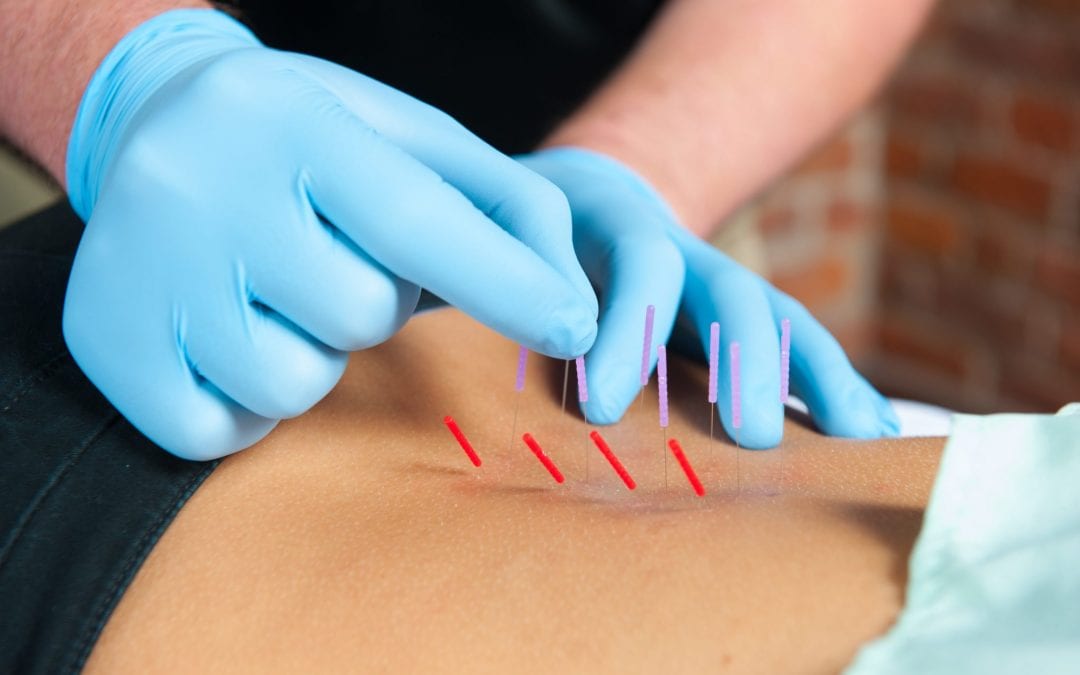


Sport Performance Boost: How Athletes Benefit from Regular Stretching
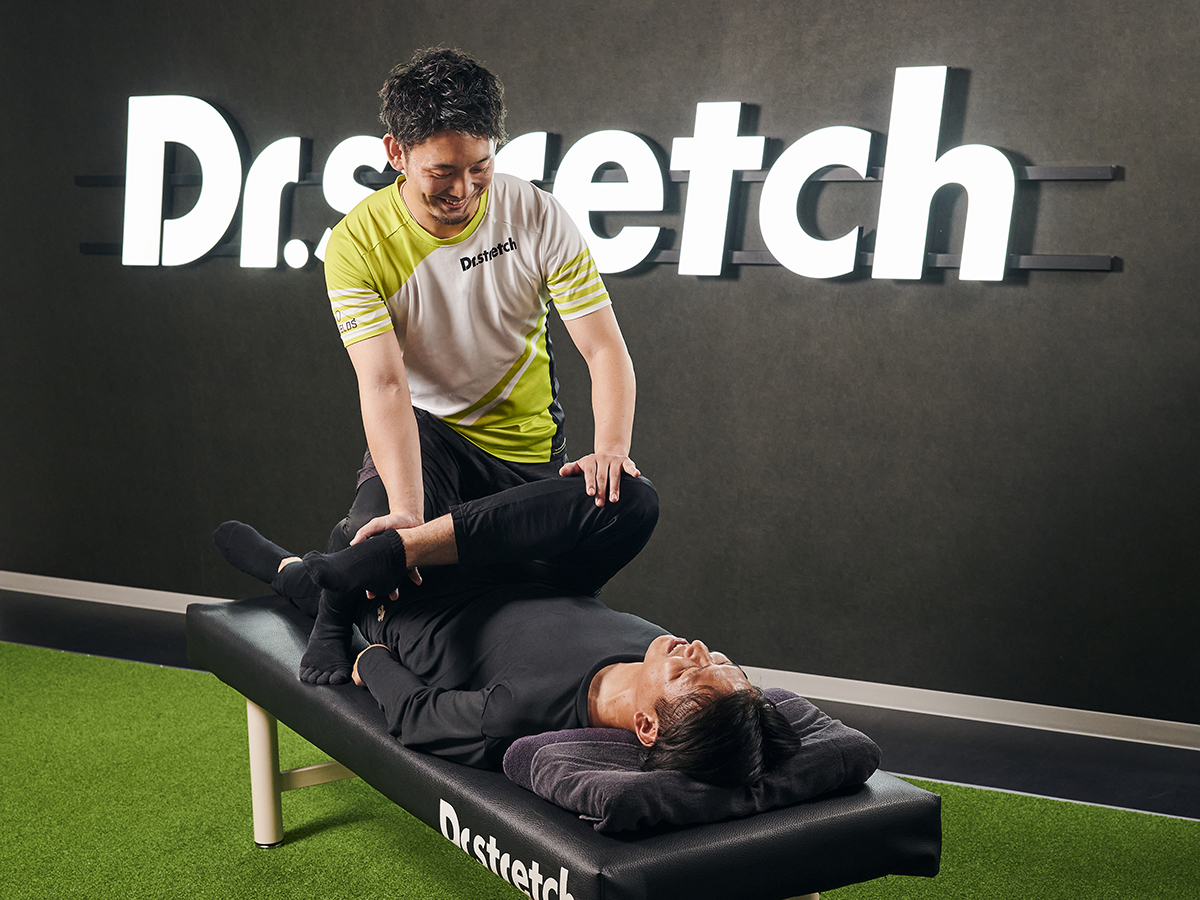
Whether it’s an early-morning run, a weekend football match, or squeezing in a gym session after work, more Malaysians are staying active for the love of sport. But for many amateur and recreational athletes, progress often hits a wall not because of lack of effort, but because the body isn’t moving as well as it should. Tight muscles, lingering soreness, and recurring niggles quietly limit performance, even when training feels consistent.
Research shows that flexibility and joint mobility play a major role in athletic performance. A study published in the British Journal of Sports Medicine found that athletes with better mobility demonstrated improved movement efficiency and were up to 28% less likely to suffer non-contact injuries. Yet stretching is still one of the most skipped parts of training routines, often rushed or ignored altogether.
“At Dr.stretch, we work with a lot of recreational athletes who train hard but don’t recover properly,” says Azri at Dr.stretch Malaysia. “They think soreness is just part of the process, but ongoing tightness actually reduces performance and increases injury risk.”
Active stretching helps bridge that gap between training and recovery. Unlike static stretching, active stretching prepares muscles for movement by engaging them through controlled ranges of motion. This improves joint mobility, muscle readiness, and coordination all essential for sports like running, football, and weight training. According to the Journal of Sports Science & Medicine, athletes who incorporated dynamic or active stretching into their routines experienced faster sprint times and improved power output compared to those who relied solely on static stretches.
One of the biggest benefits athletes notice is reduced muscle soreness. Delayed onset muscle soreness (DOMS) can linger for days, affecting both training quality and motivation. Studies suggest that guided stretching and mobility work can reduce post-exercise soreness by up to 40%, allowing athletes to train more consistently. “Clients often tell us, ‘I recovered faster than usual,’ or ‘I didn’t feel as stiff the next day,’” shares Efrah,"That's when they realise recovery is just as important as training.”
Better joint mobility also translates into better performance. When joints move freely, muscles don’t have to compensate, which means more efficient movement and less wasted energy. For runners, this can mean smoother strides and reduced knee or hip strain. For footballers, quicker direction changes and improved balance. For gym-goers, deeper squats and safer lifts. “Once your body moves the way it’s supposed to, everything feels easier,” Aniez explains. “You’re not fighting against your own stiffness.”
Active stretching also plays a key role in injury prevention. Tight muscles limit range of motion and place extra stress on tendons and joints. The American College of Sports Medicine reports that mobility-focused routines significantly lower the risk of strains and overuse injuries, especially in athletes training multiple times a week. This is particularly important for amateurs who juggle sports with busy work schedules and may not have time to deal with long recovery setbacks.
Dr.stretch Malaysia offers performance-focused stretch sessions designed to support both training and recovery. Whether used as a “prep” session before intense workouts or a “recover” session after matches and long runs, these sessions are tailored to the demands of your sport and your body. “We don’t stretch everyone the same way,” a trainer notes. “A runner’s needs are very different from a footballer’s or a lifter’s.”
For athletes who want to perform better, feel stronger, and stay injury-free, stretching isn’t optional, it's an investment. Adding regular active stretching to your routine could be the difference between plateauing and progressing, between sitting out injured and showing up ready. If you’re serious about your sport, it might be time to give your body the support it deserves.