


Japan celebrates UNESCO recognition of Ancient Capitals of Asuka and Fujiwara
Japan has secured its 27th UNESCO World Heritage Site, with the Ancient Capitals of Asuka and Fujiwara recognised as the birthplace of the Japanese state and the foundations of a civilisation that continues to shape the nation today.
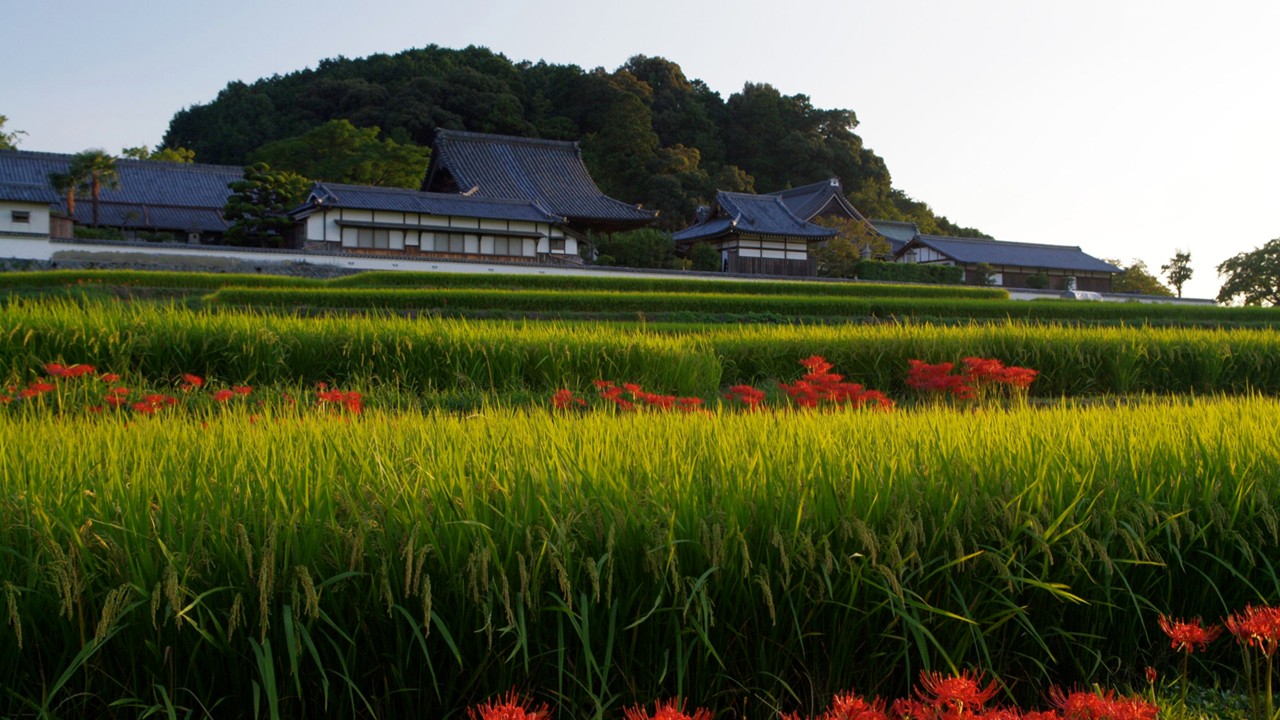
TOKYO – Japan has welcomed UNESCO's decision to inscribe the Ancient Capitals of Asuka and Fujiwara on the World Heritage List, with Prime Minister Sanae Takaichi describing the recognition as an important milestone for the nation's history and a tribute to the origins of Japanese civilisation.
In a message issued following the decision, Prime Minister Takaichi said the inscription acknowledges the outstanding universal value of one of Japan's most significant historical landscapes. She thanked local communities, researchers, archaeologists and government agencies whose decades of preservation work made the recognition possible, while reaffirming Japan's commitment to protecting the site for future generations.
Located in Nara Prefecture, about 25 kilometres south of modern day Nara City, the Ancient Capitals of Asuka and Fujiwara represent the birthplace of Japan's first centralised state. Between the sixth and early eighth centuries, the region served as the political, cultural and religious heart of the country, where emperors established successive capitals and laid the foundations of government that would shape Japan for centuries.
The UNESCO inscription covers 19 archaeological sites spread across the village of Asuka and the cities of Kashihara and Sakurai. They include the remains of imperial palaces, government offices, Buddhist temples, royal tombs and ceremonial sites dating from the sixth to eighth centuries. Among the best known are the ruins of the Asuka Palace, the Fujiwara Palace and the Takamatsuzuka Tomb, renowned for its remarkably preserved coloured murals, which are designated as a Japanese National Treasure.
Historians regard the Asuka period as one of the most transformative eras in Japanese history. During this time, Buddhism was introduced from the Korean Peninsula, diplomatic missions strengthened ties with China, and sweeping political reforms created a more centralised system of government inspired by the Tang Dynasty. These developments laid the foundations for Japan's legal codes, administrative institutions and cultural identity.
Fujiwara-kyō, established in 694, became Japan's first fully planned capital city, designed on a grid pattern modelled after Chang'an, the capital of Tang China. Although it served as the imperial capital for only 16 years before the court moved to Heijō-kyō, present day Nara, its urban planning became the blueprint for later Japanese capitals, including Kyoto.
Much of the archaeological remains remain buried beneath today's rice fields and rural landscape, creating one of the world's largest preserved archaeological complexes from early Japanese history. The largely undisturbed setting has enabled researchers to continue uncovering new evidence about the emergence of the Japanese nation, while preserving the landscape much as it appeared more than 1,300 years ago.
Prime Minister Takaichi said the World Heritage inscription belongs not only to the people of Nara Prefecture but to all Japanese citizens, expressing hope that visitors from around the world will gain a deeper appreciation of Japan's cultural origins through the site.
The designation is expected to boost tourism to the Asuka region while encouraging further international archaeological research and conservation. It also reinforces Japan's position as one of Asia's leading custodians of cultural heritage, with the country now home to 27 UNESCO World Heritage properties spanning thousands of years of history.