

Resilience and Reform: U.S.-China Relations and the Global Economic Order
A new report by the Center for Strategic and International Studies finds that global trade has proved more resilient than expected despite escalating US-China tensions, but warns that the international economic order is undergoing a fundamental transformation, with middle powers and regional partnerships gaining importance.
Globalisation is not collapsing under the weight of US-China rivalry, but the rules governing international trade and investment are changing, according to a new report by the Center for Strategic and International Studies (CSIS).
The report, titled Resilience and Reform: U.S.-China Relations and the Global Economic Order, draws on three surveys conducted among Chinese and international experts in May 2025, January 2026 and July 2026, examining developments in trade, technology, finance, energy and international economic cooperation.
It finds that despite years of tariff escalation, export restrictions and geopolitical tensions, the global trading system has demonstrated considerable resilience. Approximately 72 per cent of world trade continues to operate under most-favoured-nation rules of the World Trade Organisation (WTO), suggesting that countries have largely avoided allowing US-China tensions to trigger a wider breakdown in international commerce.
However, the report cautions that this resilience should not be mistaken for stability. Governments and businesses are increasingly prioritising economic security, strategic supply chains and technological independence alongside traditional considerations of cost and efficiency.
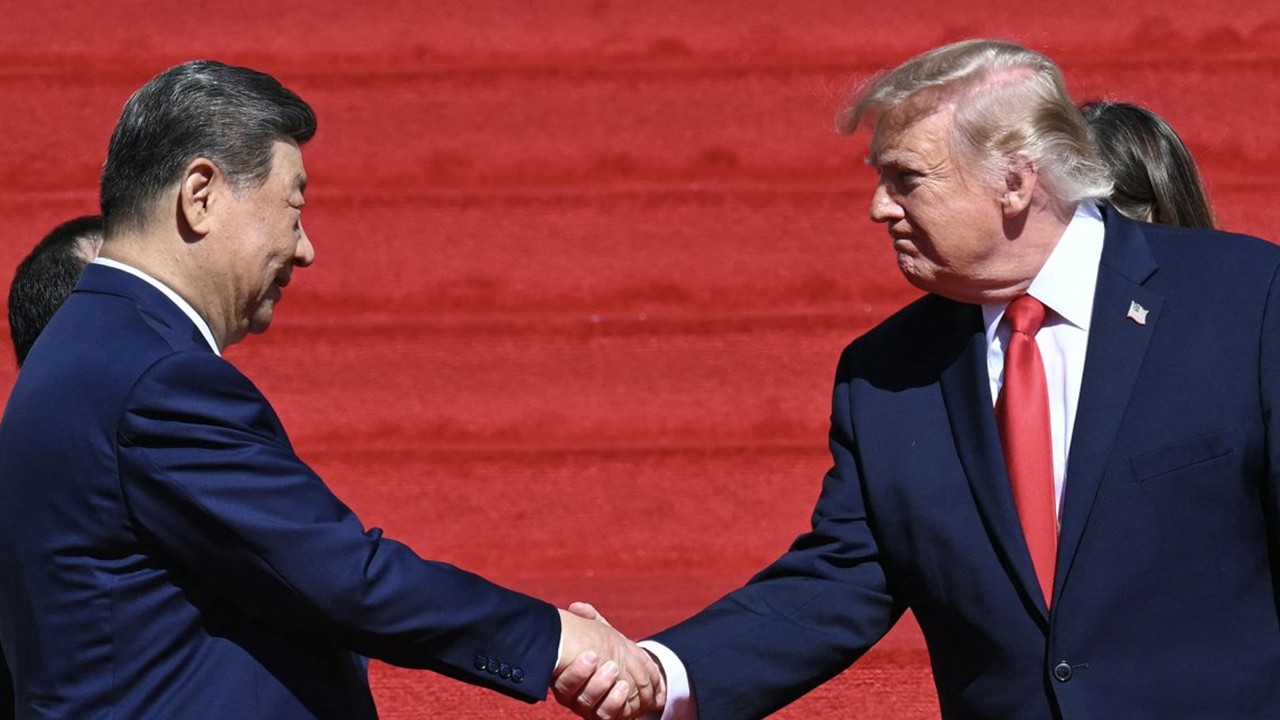
One of the report's central findings is that Washington and Beijing appear to have reached a temporary understanding that neither can afford an uncontrolled escalation of their economic confrontation.
A majority of experts surveyed viewed managed decoupling in strategic sectors as the most likely direction of US-China relations, rather than a complete separation of the two economies.
The July 2026 survey also indicated growing confidence that the existing trade truce could endure. Among international respondents, 41.2 per cent expected it to last until the end of 2026, while another 29.4 per cent believed it could continue through the end of the Trump administration or beyond.
Nevertheless, the report describes the arrangement as a fragile equilibrium, sustained partly by the threat of economic retaliation. Both countries are seeking to reduce their vulnerabilities, particularly in critical minerals, semiconductors and advanced technologies.
China's dominance in refined rare earth elements remains an important source of leverage, while the United States is pursuing alternative mineral supply chains through initiatives including expanded critical-minerals partnerships and Pax Silica, which aims to strengthen cooperation with allies on artificial intelligence and supply-chain security.
Technology competition is another defining feature of the changing economic landscape. The report observes that China has developed considerable strengths in deploying artificial intelligence across manufacturing, industrial automation, robotics and healthcare, while the United States retains advantages in frontier AI models, advanced chips and the investment supporting large-scale computing infrastructure.
In financial markets, the US dollar continues to maintain its position as the world's dominant reserve currency despite growing interest in internationalising China's renminbi. The report notes that the renminbi accounted for 2.73 per cent of global payments in December 2025, compared with 50.49 per cent for the US dollar.
Perhaps most significant for developing economies is the report's assessment of the growing influence of middle powers.
Countries including Canada, India, Brazil, Indonesia and Australia are increasingly seeking to preserve their economic relationships with both Washington and Beijing while diversifying trade partnerships and strengthening regional cooperation.
This approach is particularly relevant to Southeast Asia, where economies have benefited from the restructuring of international supply chains as companies seek alternatives to concentrated manufacturing operations in China.
Vietnam is highlighted as an example of the resilience of connector economies. Despite being directly targeted by US trade measures, its merchandise trade surplus with the United States increased from approximately US$123 billion to US$178 billion, according to figures cited in the report.
The report also points to the expansion of regional and South-South trade arrangements, including China-ASEAN 3.0, as evidence that countries are pursuing alternative avenues for economic cooperation.
For ASEAN, this presents both opportunities and challenges. Malaysia, Indonesia, Thailand and Vietnam could attract additional manufacturing investment as businesses diversify production and sourcing networks. However, these economies must also navigate competing demands from major trading partners, particularly over technology standards, critical minerals, investment screening and access to strategic industries.
The authors argue that maintaining an effective multilateral trading system will require reform of institutions such as the WTO, whose dispute settlement mechanisms and ability to address modern economic security measures face increasing pressure.
The report identifies three important factors underpinning the resilience of the global economic order: continued dialogue between the United States and China, stronger cooperation among middle powers, and the preservation of multilateral platforms such as the G20, WTO and Asia-Pacific Economic Cooperation (APEC).
Its broader conclusion is that the international economy is entering a period of restructuring rather than outright fragmentation. Trade will continue, but countries are likely to place greater emphasis on strategic partnerships, economic resilience and reducing dependence on individual suppliers or markets.
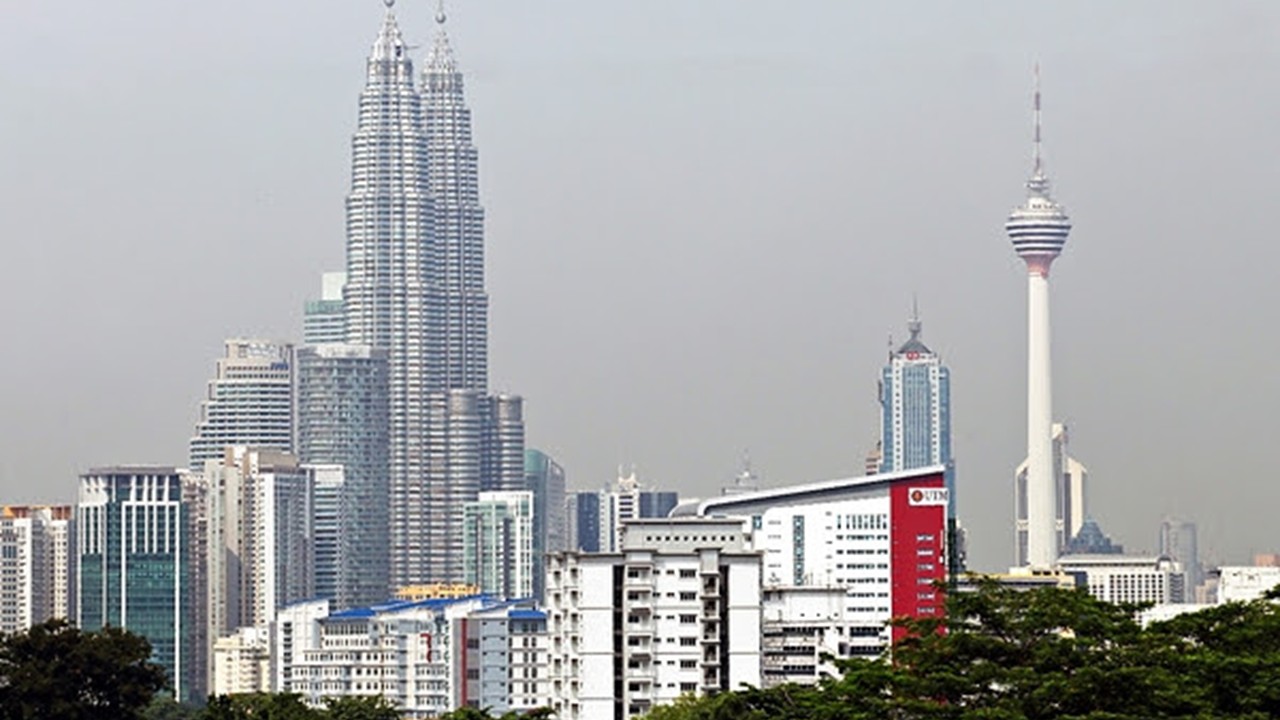
For Malaysia and the wider ASEAN region, the changing environment reinforces the importance of maintaining diversified economic relationships while positioning the region as a reliable destination for investment, manufacturing and technology cooperation.
The challenge will be to benefit from the restructuring of global supply chains without becoming caught in the strategic competition that is driving it.
Source: CSIS – Resilience and Reform: U.S.-China Relations and the Global Economic Order, published November 12, 2026.