

China seeks stronger ASEAN ties and early FTA 3.0 implementation
China is seeking to deepen economic integration and strengthen regional cooperation with ASEAN at the 29th China-ASEAN Summit in Manila on November 15–16, with early implementation of the upgraded free trade agreement among Beijing’s key priorities.
China is looking to strengthen its strategic and economic partnership with Southeast Asia at the 29th China-ASEAN Summit in Manila on November 15–16, with an emphasis on regional stability, deeper economic integration and cooperation in emerging technologies. Beijing has identified the early implementation of the China-ASEAN Free Trade Area (FTA) 3.0 Upgrade Protocol as one of its key priorities for the meeting, alongside stronger collaboration in artificial intelligence, the digital economy and energy security.
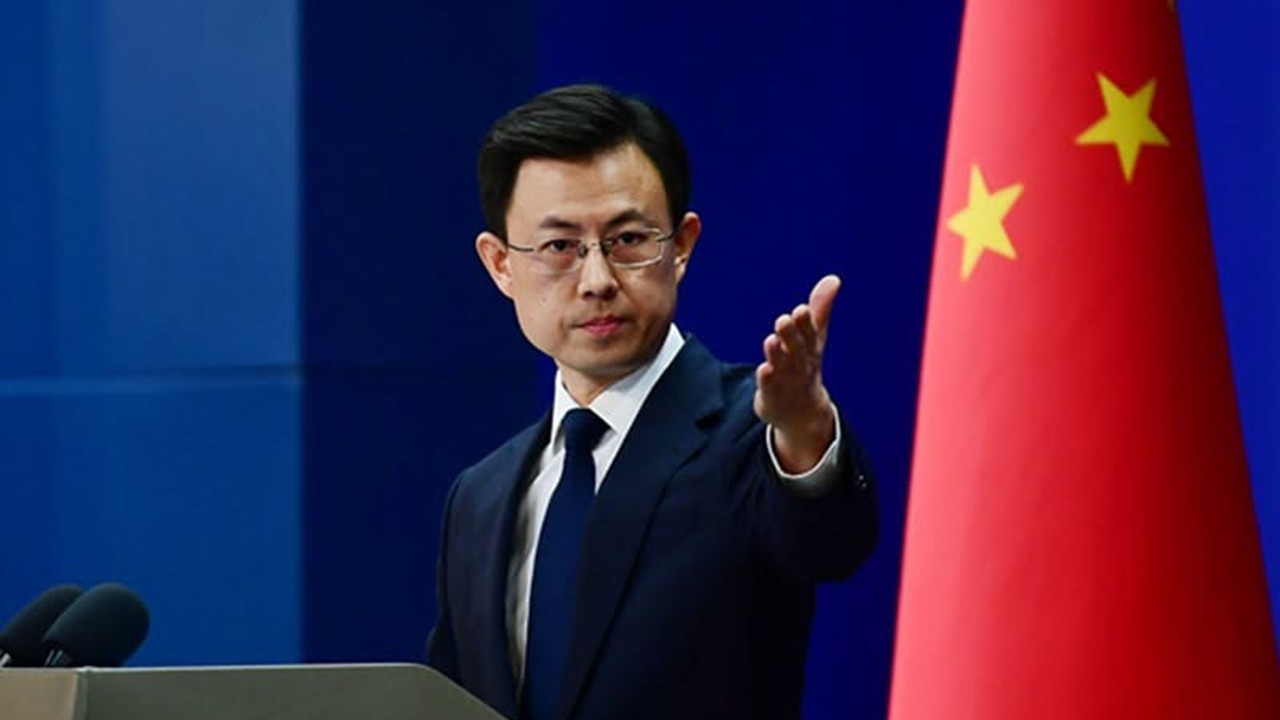
Chinese Foreign Ministry spokesperson Guo Jiakun outlined Beijing’s expectations on Wednesday, saying China hoped the summit would provide an opportunity to enhance solidarity and mutual trust with ASEAN member states, build consensus on practical cooperation and inject fresh momentum into bilateral and regional relations.
The push for FTA 3.0 comes as both sides seek to modernise their economic relationship beyond conventional trade in goods and services. The upgraded agreement was signed in Kuala Lumpur on October 28, 2025, following negotiations launched in November 2022 and substantially concluded in October 2024, with the full conclusion announced in May 2025. It introduces new areas of cooperation covering the digital economy, green economy, supply-chain connectivity, competition, consumer protection and support for micro, small and medium-sized enterprises.
However, the protocol has yet to enter into force, as member states continue their respective domestic approval and ratification processes. ASEAN's official agreement register still lists it as not in force, making its early implementation an important objective for Beijing. China has also indicated that businesses should be better positioned to benefit from the upgraded framework, particularly through improved trade facilitation, stronger regional supply chains and greater opportunities in emerging industries.
The summit also comes at a significant point in China-ASEAN relations, marking the fifth anniversary of their Comprehensive Strategic Partnership. Chinese Premier Li Qiang is expected to attend the Manila meeting at the invitation of Philippine President Ferdinand Marcos Jr. Guo said cooperation over the past five years had delivered benefits to both sides and contributed to regional peace, stability and prosperity. Beijing hopes the summit will reinforce that relationship at a time of wider international uncertainty and economic transformation.
For China, the broader objective is to deepen regional interdependence through economic cooperation, infrastructure connectivity, technological development and shared development initiatives. Guo identified artificial intelligence, digital economy, energy security, connectivity and poverty reduction as priority areas, reflecting an ambition to extend cooperation beyond trade and investment into areas that will shape Southeast Asia's future economic competitiveness. The emphasis on stability and mutual trust also underlines Beijing's desire to maintain ASEAN as a central partner in its regional engagement.