

The Architect of Vitality
As the global healthcare dialogue shifts from treating illness to optimising wellness, Dr Kaarthig Ganesamoorthy is emerging as a pivotal figure in South East Asia’s restorative landscape.
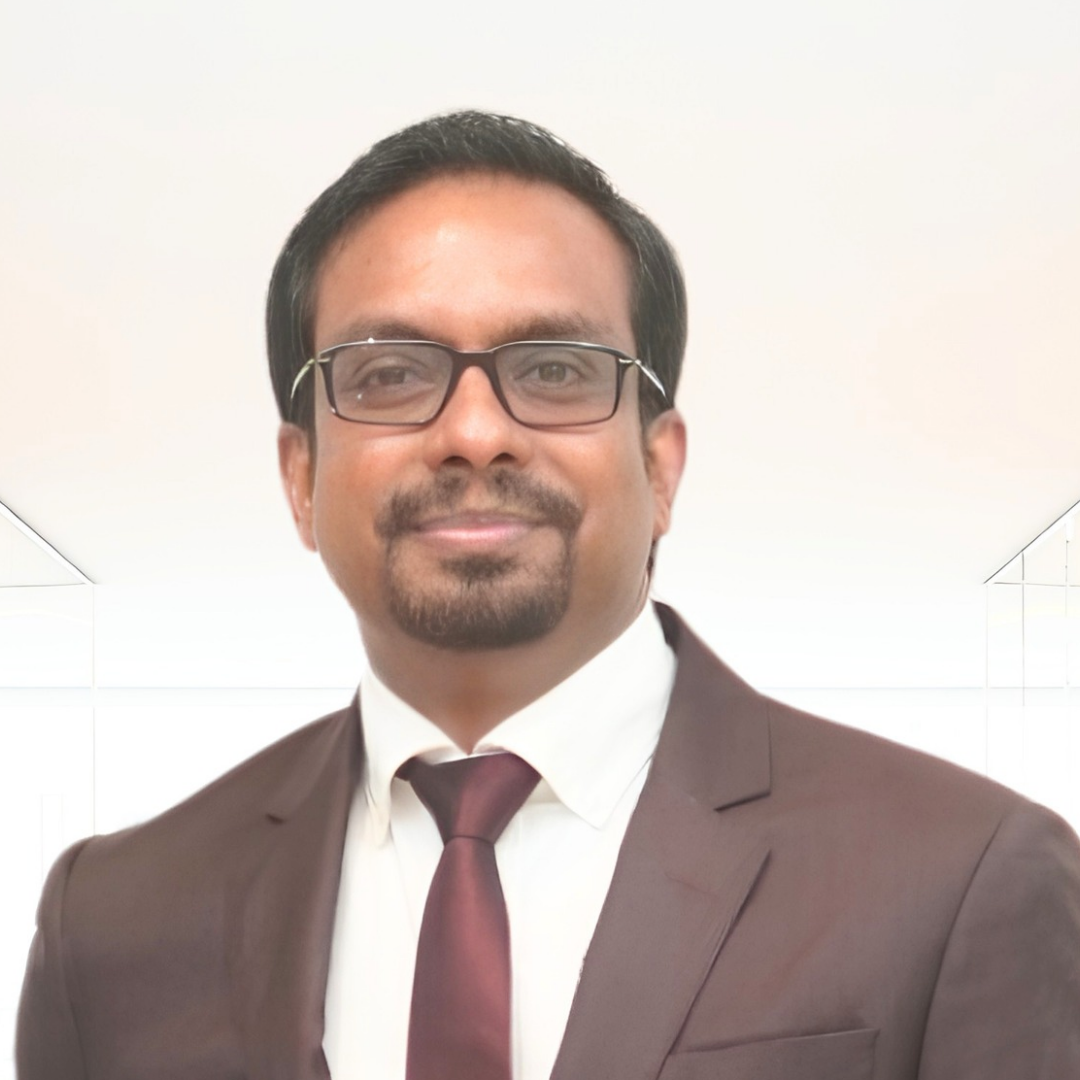
As the global healthcare dialogue shifts from treating illness to optimising wellness, Dr Kaarthig Ganesamoorthy is emerging as a pivotal figure in South East Asia’s restorative landscape. With a career rooted in clinical excellence and a trajectory defined by a relentless pursuit of medical innovation, Dr Kaarthig is redefining what it means to age with grace and vigour. Having observed the limitations of traditional, reactive healthcare models, he has dedicated his focus to the burgeoning field of regenerative medicine. His approach is underpinned by a sophisticated understanding of cellular biology and a conviction that the human body possesses an innate, often untapped, capacity for self-repair. For Dr Kaarthig, the future of medicine is found in the precise science of biological revitalisation—a field he is now bringing to the forefront of the Malaysian consciousness.
This shift in paradigm was born from a realization that conventional medicine is world-class at managing "sick care," but often stops short of true "health care". In a general practitioner setting, the model is largely reactive. However, Dr Kaarthig’s experience revealed that patients sought a return to the vitality, hormonal balance, and cognitive clarity they had enjoyed a decade prior. Recognising a gap where traditional protocols could go no further, he turned toward regenerative medicine. Upon witnessing the clinical impact of stem cells, exosomes, and targeted nutraceuticals—tools that signal the body to repair itself rather than masking a deficit—he knew the frontier had shifted. The future, he believes, is about adding life to years by restoring function at a cellular level.
In a market saturated with superficial "anti-ageing" trends, Dr Kaarthig distinguishes his work through evidence-based restoration. While many trends focus on aesthetics, regenerative medicine seeks to restore the actual function of tissues and organs. He anchors his practice on clinical biomarkers, precision personalisation, and strict regulatory compliance. Success is measured through objective biological markers—such as inflammatory indices and cellular health assessments—rather than just how a patient looks in the mirror. Whether utilising stem cells or exosomes, every protocol is tailored to the individual’s unique biochemical profile. Practising in Malaysia since 2011, he adheres to the Malaysian Medical Council guidelines, ensuring that highly processed biologics are handled with laboratory standards that simple wellness centres cannot provide.
This philosophy requires moving away from a "top-down" approach of reactive management. In traditional models, doctors wait for symptoms like high blood sugar or cognitive fog to appear before applying a pharmaceutical "brake". While lifesaving in crises, this rarely addresses why the dysfunction started. Dr Kaarthig’s "bottom-up" philosophy focuses on cellular health to address root causes like oxidative stress and mitochondrial dysfunction. By intervening with regenerative tools, he aims to fix the biological engine rather than merely painting over the "check engine" light. This approach embraces salutogenesis—the creation of health—optimisingthe cellular environment so that symptoms resolve as a secondary effect of restored repair mechanisms.
Despite the advanced nature of these therapies, Dr Kaarthig views regenerative medicine as a future pillar of sustainable public health rather than a luxury. He compares the field to the early days of dialysis, where advanced options eventually become standard, cost-effective care. As Malaysia faces a "silver tsunami" of an ageing population, restorative medicine could reduce the massive long-term economic burden of chronic disability. Furthermore, as local biotech infrastructure scales up, the cost of biologics will drop, making them accessible to the middle class. He notes that the Ministry of Health is already taking a proactive role in regulating advanced therapies, signalling the start of a "trickle-down" effect.
The potential for such transformation is grounded in epigenetics. While genetics account for only about 20% to 25% of our lifespan, the remaining 75% to 80% is determined by how our environment and choices signal our genes. Through bio-optimisation, Dr Kaarthig champions "biological design" over "genetic destiny". By using targeted nutraceuticals and regenerative therapies, it is possible to change the instructions the body gives to its cells, signalling for repair. Among the technologies driving this revolution, he is particularly excited by exosomes—nano-vesicles that act as "project managers" to signal tissue repair. He also utilises NAD+ precursors and senolytic compounds to clear out "zombie cells," thereby improving cognitive clarity and physical stamina.
These scientific interventions are never used in a vacuum. Dr Kaarthig gives absolute priority to lifestyle factors, using a "soil and seed" analogy. Advanced treatments are the seeds, but nutrition, sleep, and mental health are the soil; if the soil is neglected, even the most high-tech seed will never bloom. High-level science requires a healthy metabolic framework to provide the "bricks and mortar" for repairs. Navigating this sector also requires a steadfast commitment to ethics. Dr Kaarthig implements only therapies with documented safety profiles and peer-reviewed data. Crucially, he believes the mark of a specialist is the "ethical no"—the ability to decline treatment if a patient’s expectations are unrealistic or risky.
Looking toward the horizon, Dr Kaarthig is bullish on Malaysia’s potential as a regional hub. The nation’s robust regulatory maturity provides oversight that gives international patients confidence. Combined with world-class hospitals and a growing biotech ecosystem, Malaysia offers first-world expertise at a globally competitive value. Ultimately, Dr Kaarthig Ganesamoorthy’s work represents a commitment to a new standard of human potential. By merging medical rigour with regenerative science, he is providing a blueprint for a future where vitality is not surrendered to time. His drive comes from the democratisation of vitality—changing the narrative from "getting older" to "getting better". As a thought leader, he stands as an expert hand, guiding the conversation toward a more resilient and revitalised society.