SEAM Backs Nine Malaysian Social Enterprises
Social Enterprise Accelerator Malaysia has selected nine impact-driven businesses for a 12-month programme aimed at strengthening commercial growth, organisational resilience and social impact across Malaysia.
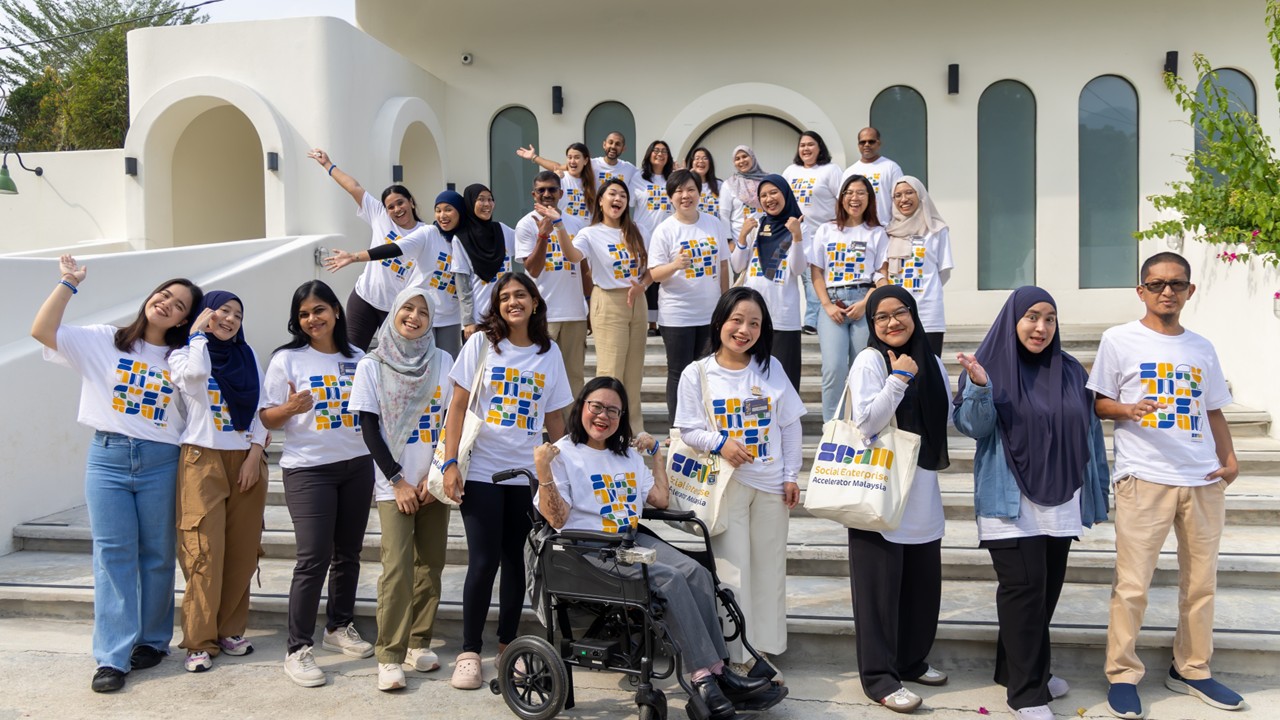
KUALA LUMPUR - Nine Malaysian social enterprises working across inclusive employment, sustainable food, circular economy and community livelihoods have been selected for the second cohort of the Social Enterprise Accelerator Malaysia (SEAM), as social entrepreneurship gains a stronger foothold in the country's wider business ecosystem.
The 12-month programme is designed to help the participating enterprises strengthen their business models, organisational capabilities and long-term sustainability while expanding the impact they create for communities.
The new cohort spans Kuala Lumpur, Selangor, Penang, Kelantan and Sabah, with the enterprises collectively creating economic opportunities for B40 youth, single mothers, women from the Asnaf community, persons with disabilities, refugees, marginalised artisans and coastal fishing families.
SEAM is a partnership between Biji-biji Initiative and IKEA Social Entrepreneurship, with the support of IKEA Malaysia.
The second cohort builds on the experience of the programme's inaugural group, where seven of 10 participating enterprises recorded top-line revenue growth, nine reported improved financial stability and cost discipline, and eight expanded their active reach among the communities they serve.
Several enterprises from the first cohort also recorded specific commercial and operational gains.
Earth Heir added RM429,293 in B2B orders for its Earth Heir Collective, Batik Boutique doubled its weekly fabric output, while Upcycled more than doubled its baseline income and generated more than RM101,200 in direct community wages.
The latest cohort comes as Malaysia's social enterprise ecosystem continues to develop.
In July, the Ministry of Entrepreneur Development and Cooperatives reported that 649 social enterprises had received ministry ratings, while nearly RM20 million had been allocated to strengthen the sector.
The Malaysia Social Impact Procurement Framework, or PRISMA, is also part of a broader effort to encourage procurement practices that generate both commercial and social value.
For SEAM, the focus is on helping enterprises move beyond short-term funding cycles and build the capabilities required to become more commercially sustainable.
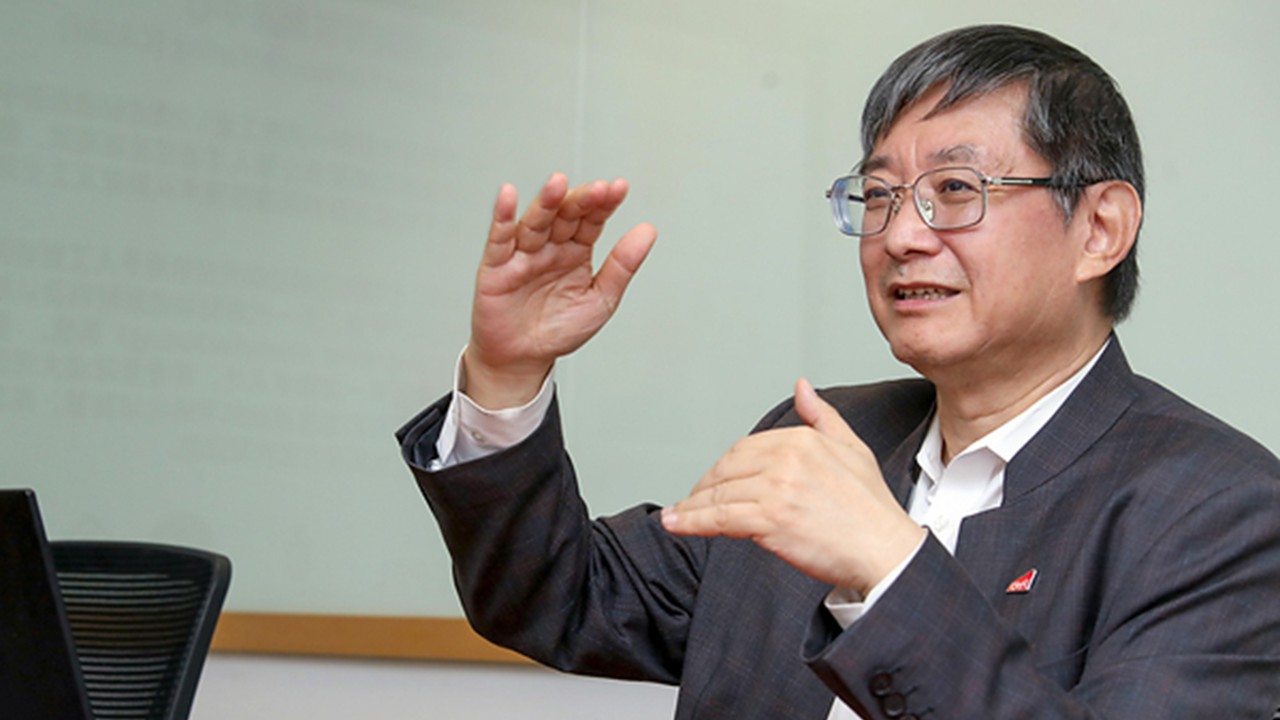
Biji-biji Initiative chief executive officer and SEAM programme director Juliana Adam said the first cohort showed that there was no single pathway to growth for a social enterprise.
For some businesses, growth could mean entering a new market, while for others it could involve increasing production, building a team or becoming ready for corporate procurement.
She said the challenge was to bridge proven community impact with the capabilities required to grow sustainably, including winning customers, building partnerships and developing stronger internal systems without losing the purpose behind the enterprise.
The nine enterprises selected for Cohort 2 represent a broad cross-section of Malaysia's social entrepreneurship landscape.
Brutti, based in Kota Kinabalu, produces bespoke sustainable furniture using reclaimed pallet wood while creating livelihoods for B40 youth communities in Sabah. The enterprise says it has diverted more than 57 tonnes of waste and preserved an estimated 600 trees.
Dodo Vegan Hut is a halal-certified plant-based food enterprise providing employment opportunities for B40 communities. Its products include frozen vegan meals and SAKRAE coconut ice cream, with its portfolio reaching hotels, restaurants and cafes across Malaysia.
Enable OKU Solutions (ENOKU) focuses on employment and workplace inclusion for persons with disabilities. Its work includes diversity, equity and inclusion training, employment placement and longer-term inclusion frameworks developed with corporate employers.
Green Shoots uses circular product design and responsible production to create income opportunities for underserved women. Its work also links corporate spending on gifts and packaging with environmental and social outcomes.
Heartworks Solution provides flexible employment opportunities for persons with disabilities, single mothers, caregivers and women facing barriers to conventional employment. Its virtual assistant model combines paid work with training and ongoing support.
Ibupreneur works with Asnaf women and single mothers from B40 communities through its Maker Hub marketplace and Academy. The organisation says 659 mothers across 11 states have increased their incomes by an average of 86% within 12 months.
Koperasi Penternak Akuakultur (KoAKUA) supports coastal fishing communities in Kelantan by pooling resources and strengthening distribution for its 50 members. The cooperative is also developing products such as salted duck egg and smoked duck to create additional income beyond the fishing season.
PichaEats creates employment and skills opportunities for refugee communities, including Syrian, Afghan, Myanmar and Palestinian communities. Its activities include catering, meal-box delivery, cultural dining experiences and culinary skills development.
Sagemaker Asia connects marginalised artisans with skills development, employment and commercial opportunities. Through its Rumah Sage production house in Ampang, more than 70 Sagemakers produce sensory materials, upcycled products and bespoke corporate merchandise.
Rather than applying a standardised curriculum, SEAM will tailor its support around the individual growth priorities and challenges of each enterprise.
Participants will be paired with senior IKEA leaders and co-workers serving as "Thought Partners", alongside access to industry mentors, specialist expertise, strategic advisory support and wider ecosystem connections.
The programme also provides access to a funding pool of up to RM750,000, with financial support linked to the business growth roadmaps developed by the participating enterprises.
IKEA Social Entrepreneurship managing director Åsa Skogström Feldt said scaling for social enterprises should not simply mean becoming bigger, but becoming stronger through better capabilities, partnerships and business foundations.
The participants will initially work through a Strategy and Scoping phase to refine their growth priorities and develop Growth Experimentation Plans.
From January to August 2027, they will move into an Experimentation and Learning phase, testing their strategies through mentoring, field visits, peer learning and engagement with their Thought Partners.
The programme will conclude with a closing summit and final reports documenting the outcomes, changes in strategy and lessons generated during the year.
The broader objective is to strengthen Malaysian social enterprises as sustainable businesses capable of creating long-term opportunities for communities while maintaining the social and environmental purpose at the heart of their operations.