Southeast Asia: Duterte Conviction Chance Increases
The latest actions by the Senate and Supreme Court will add to the Duterte camp’s allegations of political persecution by the Marcos administration, despite the president’s public professions of neutrality.
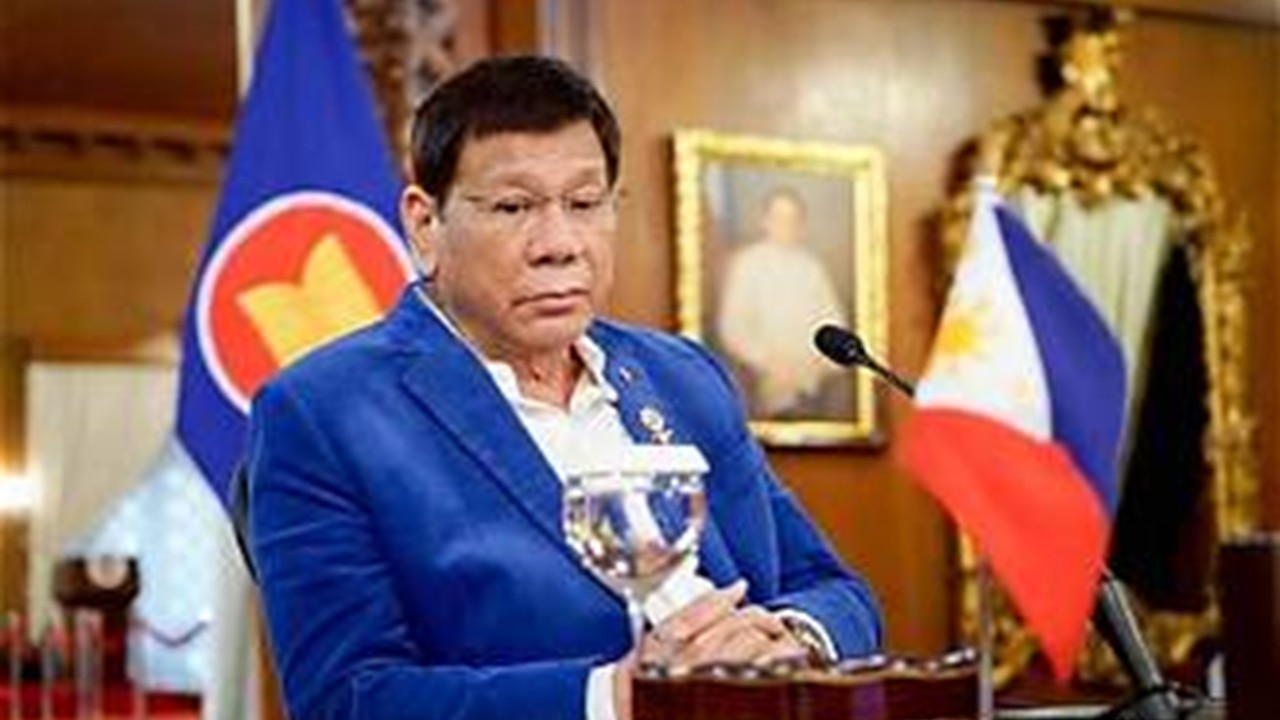
Impeached Philippine vice president Sara Duterte finds herself in political peril as the Senate and Supreme Court have reduced the threshold required to convict and remove her from office. Senate President Francis Escudero had previously decided that a two-thirds vote of the full Senate, meaning 16 members, would be necessary for conviction. But the Senate last week voted 13-1, with six abstentions, to lower the threshold to two-thirds of those “capable of participating.” At least three, and possibly four, members of the Senate will be unable to participate, reducing the number of votes needed for a two-thirds majority to just 14.
The rule adjustment specifies that detained, suspended, absent, or incapacitated senators are excluded from the two-thirds calculation. That covers the fate of several pro-Duterte Senators, starting with Ronald “Bato” de la Rosa. The former national police chief has been in hiding for nearly a year to avoid arrest on a warrant from the International Criminal Court for human rights violations during the presidency of Sara’s father, Rodrigo Duterte. He briefly appeared in May to cast a vote for a Senate leadership change before making a dramatic escape. Two other Duterte allies, Jose “Jinggoy” Estrada and Rodante Marcoleta, were arrested on graft charges in June and July. Their detention is part of an ongoing anti-corruption campaign following the discovery last year of mass irregularities in flood control projects. A fourth senator, Loren Legarda, is also under investigation for corruption and has been on medical leave in France, which she most recently extended on September 21.
The Philippine Supreme Court on September 30 unanimously dismissed three petitions against the new two-thirds threshold. The impeachment proceedings, meanwhile, have been suspended until October 5 as the Duterte defense team says it need to reexamine the vice president’s financial records before the next witness, Anti-Money Laundering Council Executive Director Ronel Buenaventura, testifies. When they restart, prosecutors will have a much clearer path to conviction than they did just a month ago. Nine senators have publicly called for conviction and six are opposed, with five nominally on the fence. If all five vote to convict, then the vice president will be removed from office. And if any more Duterte-aligned senators find themselves ensnared by corruption investigations or the ICC case, the threshold for conviction could lower further.
The latest actions by the Senate and Supreme Court will add to the Duterte camp’s allegations of political persecution by the Marcos administration, despite the president’s public professions of neutrality. They will continue to use that narrative to rally their political base. Sara Duterte is still popular and widely seen as the frontrunner in the 2028 elections, and the impeachment trial has not shaken her popularity: Momentum Research’s August 2026 survey showed that 61.3 percent of Filipinos surveyed approved of her performance, compared to President Marcos’s 38.5 percent.
Former president Rodrigo Duterte also remains popular with many Filipinos despite his detention in The Hague. In September, the elder Duterte made his first public appearance since his ICC arrest in March 2025 for crimes against humanity over his signature drug war. Duterte appeared noticeably older and frailer, while his defense counsel cites “significant memory impairment” as he is being assessed for fitness to stand trial. If Sara Duterte is convicted in the next few weeks, her camp will seek to capitalize on their claims of persecution and likely find a surrogate to inherit their political movement ahead of the 2028 elections.
Japhet Quitzon is an Associate Fellow for the Southeast Asia Program at the Center for Strategic and International Studies (CSIS) in Washington, D.C. Gregory B. Poling is a senior fellow and director for the Southeast Asia Program and the Asia Maritime Transparency Initiative at CSIS.
For more political, economic, and security analysis on the region, check out our blog series, The Latest on Southeast Asia. To hear the latest news on the region and hear from Southeast Asia experts, listen and subscribe to the Southeast Asia Radio podcast on any streaming platform.