

Qingdao summit secures US$2.56 billion in foreign investment as China strengthens global investment drive
China has reinforced its commitment to attracting global investment after the 7th Qingdao Multinationals Summit concluded with 57 major projects signed, highlighting the country's focus on innovation, advanced manufacturing, green development and international business collaboration as it enters its 15th Five Year Plan.
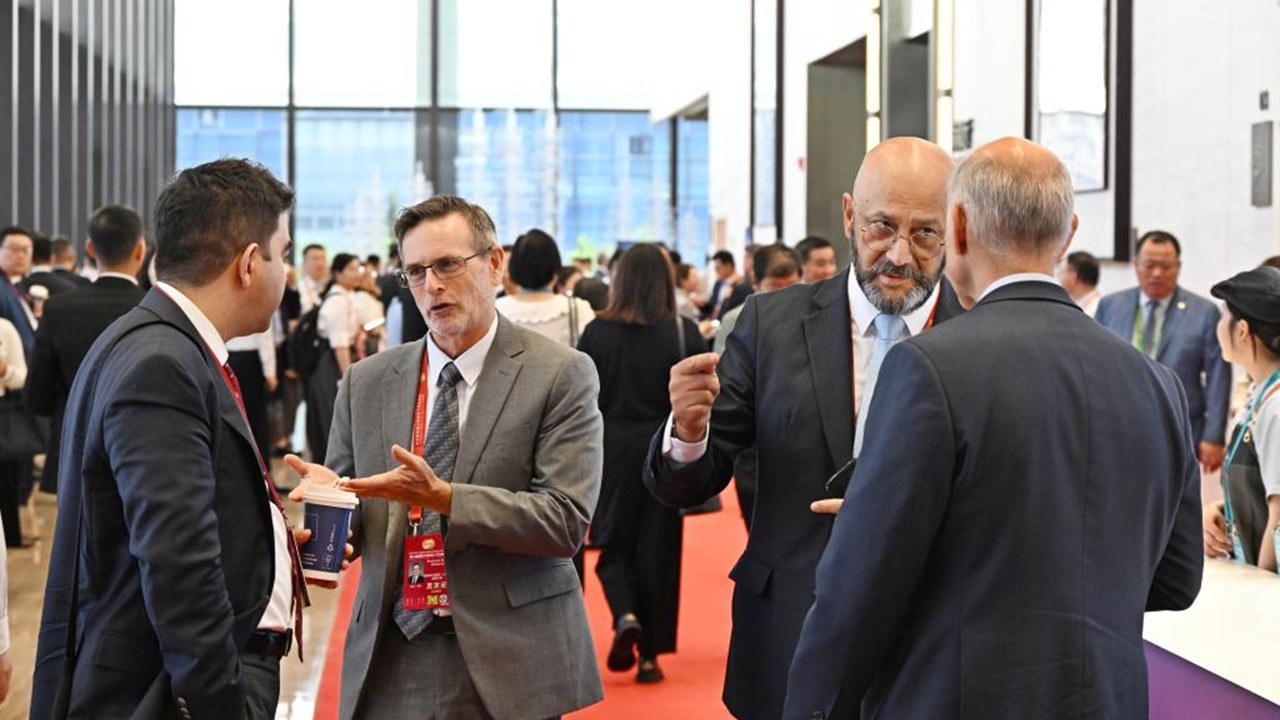
QINGDAO – China has concluded the 7th Qingdao Multinationals Summit with the signing of 57 major investment and trade projects, reinforcing the country's ambition to remain one of the world's leading destinations for international investment, advanced manufacturing and technological innovation.
Held from June 15 to 17 under the theme "Joining Hands for the 15th Five Year Plan: Toward a New and Shared Future", the summit attracted representatives from 357 Fortune Global 500 companies and leading multinational corporations from 44 countries and regions, making it one of China's largest annual investment promotion events.
The summit produced a broad range of commercial agreements spanning foreign direct investment, international trade, modern services and cross border economic cooperation.
Among the headline announcements were 20 foreign funded investment projects valued at approximately US$2.56 billion, alongside nine international trade projects expected to generate around US$1.68 billion in import and export value. Two overseas economic cooperation projects worth US$44 million were also secured, reflecting continued confidence in China's manufacturing and export capabilities.
The event also delivered 15 modern services projects valued at RMB6.65 billion (approximately US$927 million), eight domestic investment projects worth RMB6.87 billion (approximately US$958 million), and three strategic cooperation agreements covering green development, digital economy and modern commerce involving partners from South Korea, France, the United Kingdom, Russia, Kazakhstan, Mexico, Hong Kong and mainland China.
A major focus of this year's summit was China's next generation of strategic industries.
For the first time, dedicated forums and business matching sessions were organised around future industries including new energy vehicles, energy storage, marine technology, smart agriculture and green chemicals. These sessions provided multinational companies with opportunities to explore collaboration as China accelerates its industrial transformation and technological development.
Artificial intelligence also featured prominently throughout the summit, with discussions examining how AI can accelerate industrial upgrading, improve manufacturing productivity and create new opportunities for cross border innovation.
The summit further demonstrated China's efforts to diversify its international economic partnerships. Alongside established relationships with traditional markets such as South Korea, Germany and ASEAN economies, organisers expanded engagement with Türkiye, Kyrgyzstan and a growing number of Global South economies.
Dedicated forums also explored cooperation in mineral resources, reflecting the increasing importance of securing resilient supply chains and supporting the global transition towards clean energy technologies.
Another milestone was the participation of commerce authorities from 18 Chinese provinces, autonomous regions and municipalities, together with the inaugural investment matchmaking conference linking central and state owned enterprises with multinational corporations. The initiative is expected to strengthen industrial collaboration across different regions while providing international investors with broader access to opportunities throughout China.
Since its launch seven years ago, the Qingdao Multinationals Summit has evolved into one of China's flagship platforms for engagement between multinational corporations, policymakers and regional governments.
As China prepares to implement its 15th Five Year Plan, the summit reinforced Beijing's message that the country remains committed to further opening its economy, encouraging innovation and strengthening international business cooperation despite ongoing geopolitical uncertainty and a challenging global economic environment.
For multinational companies, the agreements reached in Qingdao highlight continued opportunities across advanced manufacturing, clean technologies, digital industries and modern services, with Shandong Province continuing to position itself as one of China's key gateways for international investment.