

Lavrov Pushes Multipolar World Order at G20 Meeting
Russian Foreign Minister Sergey Lavrov used the G20 Foreign Ministers’ meeting in Atlanta to call for reforms to global economic governance, stronger energy and food security, and open shipping routes, while reiterating Moscow’s commitment to a multipolar world order.
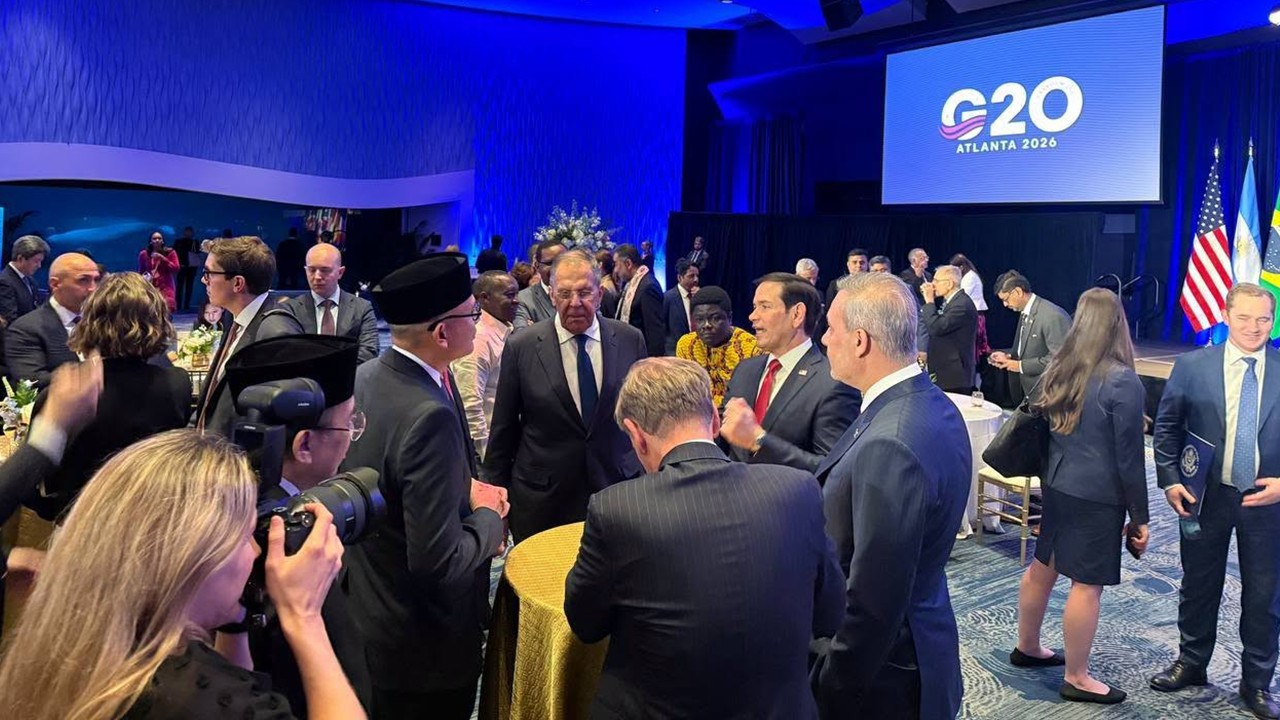
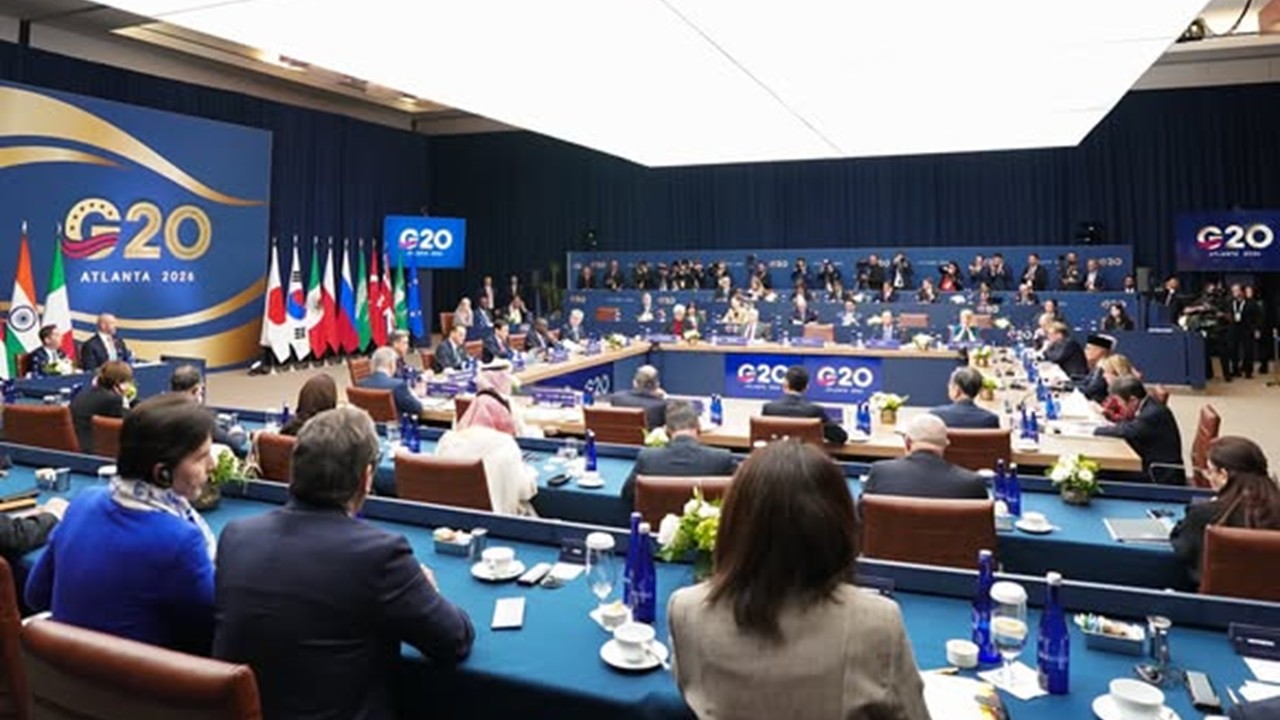
According to a statement released by the Ministry of Foreign Affairs of Russia, the G20 Foreign Ministers’ meeting under the United States’ chairmanship concluded in Atlanta, Georgia, on 31 October, with Russian Foreign Minister Sergey Lavrov leading the Russian delegation.
The meeting brought together foreign ministers to discuss a broad range of international issues, with particular attention to the relationship between global economic challenges and geopolitical instability.
Lavrov outlined Moscow’s assessment of the factors contributing to rising international tensions, highlighting energy and food security, the resilience of global supply chains, and the importance of ensuring that shipping routes remain open and accessible on a non-discriminatory basis.
He also called for a stronger multipolar world order and reforms to global economic governance, arguing for measures to counter unfair competition and what Russia describes as neo-colonial practices.
The discussions addressed actions that participants viewed as disruptive to international trade, including the interception of merchant vessels, economic sanctions, asset seizures and other practices that could undermine cross-border commercial activity.
Russia reaffirmed its intention to remain a reliable trading partner, particularly as a major supplier of energy, food and fertilisers to countries requiring these commodities.
The statement also highlighted Russia’s transport and logistics capabilities, including the potential to expand capacity along the Northern Sea Route, an Arctic shipping corridor that Moscow has sought to develop as an alternative route for international trade.
The route has attracted strategic interest as countries and businesses assess ways to diversify shipping options, although its commercial potential remains influenced by seasonal conditions, infrastructure requirements and geopolitical considerations.
The Russian delegation also emphasised the importance of President Vladimir Putin’s Greater Eurasian Partnership initiative and efforts to establish a common security architecture across Eurasia.
Moscow has presented the partnership as a framework for strengthening economic and political cooperation across the continent, reflecting its broader push for a more multipolar international system.
On the sidelines of the G20 meeting, Lavrov held a series of bilateral contacts with fellow foreign ministers and senior officials, including United States Secretary of State Marco Rubio, Indian External Affairs Minister Subrahmanyam Jaishankar, Saudi Arabian Foreign Minister Faisal bin Farhan Al Saud, Indonesian Foreign Minister Arrmanatha Nasir and Japanese Foreign Minister Toshimitsu Motegi.
The engagements provided opportunities for discussions on bilateral relations and international developments amid continuing geopolitical tensions and uncertainty over global trade and economic cooperation.
The Russian Foreign Ministry’s account reflects Moscow’s position on international economic and security issues, particularly its opposition to sanctions and restrictions that it considers discriminatory. The wider debate over trade access, shipping security, energy supplies and global economic governance continues to shape relations among major powers.