

South Korean researchers develop breakthrough technique to unlock microbes' hidden genetic potential
Researchers at Incheon National University have developed a new genetic engineering approach that could accelerate the discovery of new medicines, industrial enzymes and sustainable bioproducts by activating previously inaccessible genes in microorganisms, opening new commercial opportunities for the biotechnology sector.
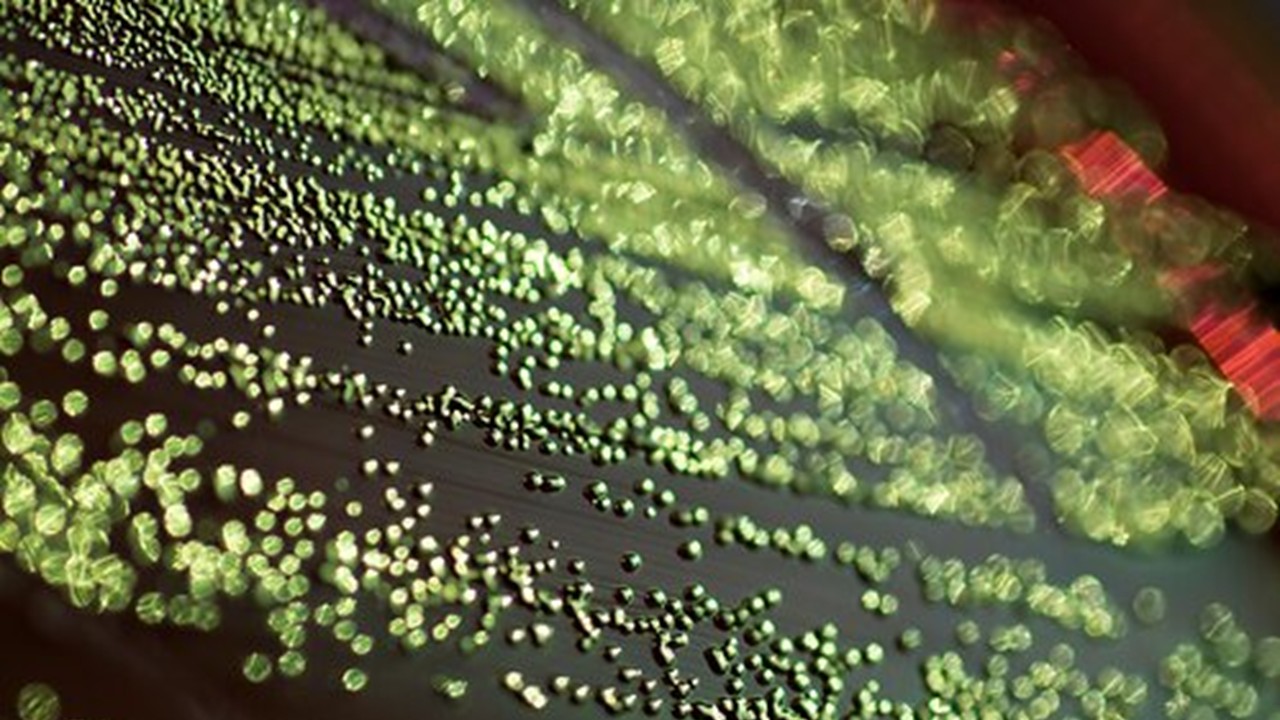
Researchers at Incheon National University have unveiled a new genetic engineering technique that could significantly expand the commercial potential of microorganisms, offering biotechnology companies a faster pathway to discover new medicines, industrial compounds and environmentally sustainable products.
The research addresses one of biotechnology's longstanding challenges: many microorganisms contain valuable genetic material capable of producing useful natural compounds, but much of that genetic potential remains dormant under laboratory conditions, preventing scientists from accessing it.
The research team has developed an approach that enables these previously silent genes to be activated, allowing researchers to explore a far broader range of naturally occurring compounds than has been possible using conventional methods.
The innovation centres on the activation of biosynthetic gene clusters, groups of genes responsible for producing specialised natural compounds. Many of these clusters remain "silent" under standard laboratory conditions, limiting scientists' ability to identify potentially valuable molecules.
By overcoming this limitation, the new technique could significantly improve the efficiency of natural product discovery, an area that has become increasingly important as pharmaceutical companies search for new antibiotics, anti-cancer compounds and treatments for drug resistant diseases.
The breakthrough also has commercial implications beyond healthcare. Industries including agriculture, food production, environmental technology and industrial manufacturing are increasingly turning to microorganisms to develop sustainable alternatives to traditional chemical processes.
Industry analysts say technologies that unlock new microbial compounds could reduce research and development timelines while increasing the likelihood of discovering commercially viable products, strengthening the global bioeconomy.
The research reflects South Korea's continued investment in biotechnology and life sciences, sectors that have been identified as strategic growth industries. Universities, research institutes and private companies are increasingly collaborating to develop next generation technologies in synthetic biology, precision medicine and bio manufacturing.
While further validation and industry partnerships will be required before the technology reaches commercial application, the discovery represents a significant step towards unlocking one of biology's largest untapped resources. For biotechnology companies, the ability to access previously hidden genetic pathways could create new opportunities for innovation, intellectual property development and the commercialisation of high value biological products.
Source: Incheon National University / PR Newswire