

ASEAN, Russia deepen energy partnership with focus on LNG, power connectivity and low carbon transition
New joint declaration outlines expanded cooperation in energy trade, infrastructure, nuclear technology and renewable energy as ASEAN and Russia seek to bolster regional energy security.
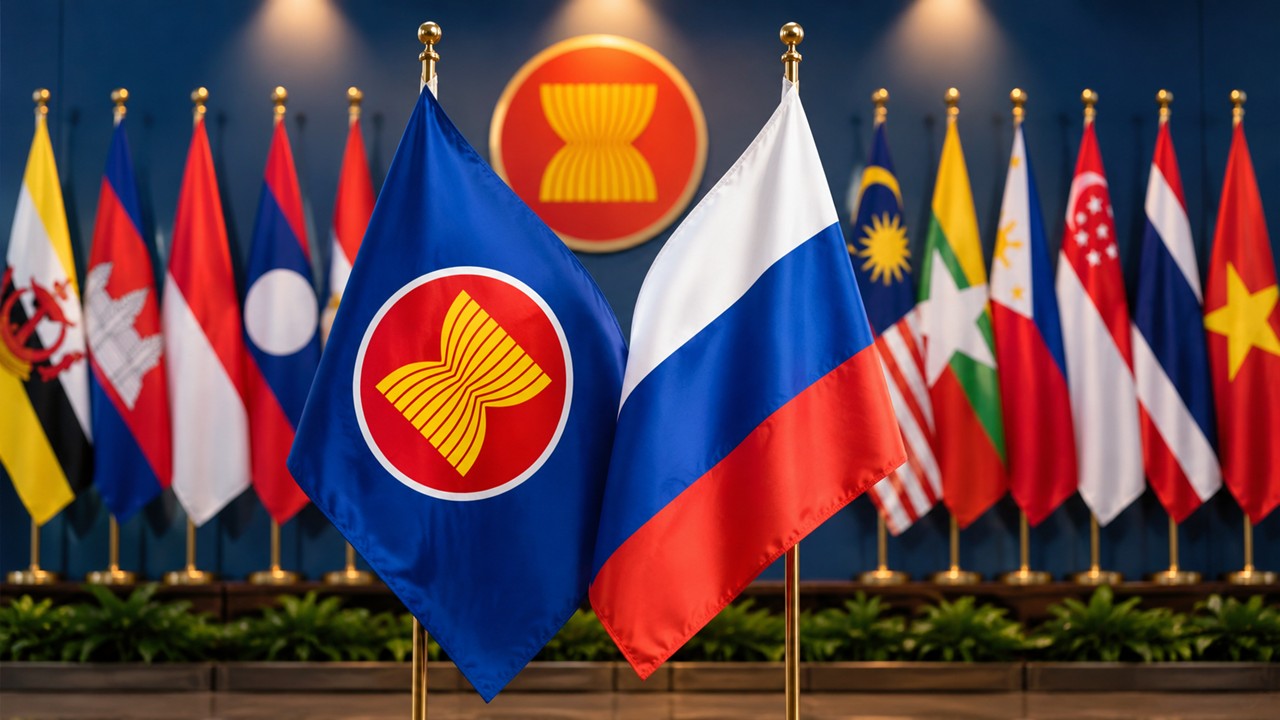
KAZAN, Russia – ASEAN and the Russian Federation have agreed to deepen their strategic energy partnership, unveiling an ambitious framework to strengthen energy security, expand investment and accelerate collaboration across conventional and emerging energy sectors amid growing concerns over global supply disruptions.
The Joint Statement on Energy Cooperation, adopted during the ASEAN Russia Summit in Kazan to mark the 35th anniversary of dialogue relations, positions energy as a central pillar of the partnership over the next five years.
The agreement comes as Southeast Asia faces rising energy demand driven by rapid economic growth while governments seek to balance energy security with decarbonisation goals. At the same time, geopolitical tensions, volatile commodity markets and supply chain disruptions have highlighted the importance of diversifying energy sources and strengthening regional resilience.
Under the new framework, ASEAN and Russia agreed to expand trade, investment and long term commercial partnerships in oil, natural gas, liquefied natural gas (LNG) and electricity, while encouraging market based cooperation consistent with national regulations.
The partners also committed to strengthening emergency preparedness through enhanced information sharing, joint studies and cooperation on strategic energy reserves and stockpiling practices to improve resilience against future supply shocks.
A significant component of the agreement focuses on the energy transition, with both sides pledging to increase cooperation in renewable energy, including hydropower and bioenergy, alongside hydrogen, nuclear energy, natural gas, LNG, energy efficiency and other low carbon technologies.
The joint statement also opens the door for expanded civilian nuclear cooperation, where appropriate, covering areas such as small modular reactors (SMRs), nuclear safety, regulatory development, emergency preparedness and emerging nuclear technologies, while emphasising compliance with international safety, safeguards and non proliferation standards.
Infrastructure development will form another key area of cooperation. ASEAN and Russia agreed to support regional initiatives including the ASEAN Power Grid (APG), the Trans ASEAN Gas Pipeline (TAGP) and the ASEAN Petroleum Security Agreement (APSA), while exploring joint feasibility studies and investment opportunities in energy transportation and storage.
The declaration aligns closely with the ASEAN Plan of Action for Energy Cooperation (APAEC) 2026 to 2030, which identifies energy security, regional connectivity, emergency preparedness and the transition towards lower carbon energy systems as strategic priorities for the region.
Beyond infrastructure and technology, both parties agreed to strengthen institutional cooperation through regular high level dialogue, joint research, capacity building and greater collaboration on energy data and analytics. The framework also encourages academic exchanges, specialist training programmes and the sharing of policy and technical expertise to support long term human capital development.
Russia remains one of the world's largest producers and exporters of oil, natural gas and nuclear technology, while ASEAN represents one of the fastest growing energy markets globally. According to the International Energy Agency, Southeast Asia's energy demand is expected to continue rising significantly over the coming decades, driven by industrialisation, urbanisation and expanding electricity consumption.
The agreement forms part of the Comprehensive Plan of Action to Implement the ASEAN Russian Federation Strategic Partnership 2026 to 2030 and will be supported through the ASEAN Russia Energy Work Plan 2026 to 2030, providing a roadmap for practical collaboration across government agencies, research institutions and industry.
Analysts say the expanded partnership could create new opportunities for energy companies, infrastructure developers, technology providers and investors as ASEAN accelerates investment in power generation, grid connectivity, LNG infrastructure and low carbon energy projects while maintaining reliable and affordable energy supplies.
Source: ASEAN and the Russian Federation Joint Statement on Energy Cooperation.