

HBOT for ADHD: Why Calm, Consistent Oxygen Support Matters
Attention-Deficit/Hyperactivity Disorder is often talked about in terms of focus, behaviour and learning, but for many families in Malaysia, the day-to-day reality goes much deeper. ADHD affects how the brain processes stimulation, how emotions are regulated and how the body responds to stress. As awareness grows, more parents and adults are looking beyond symptom management and towards supportive approaches that help create calm and consistency in an increasingly overstimulating world.
According to global estimates, ADHD affects around 5% of children and nearly 3% of adults worldwide, with diagnosis rates steadily rising across Asia. In Malaysia, clinicians note that many individuals with ADHD experience chronic nervous system overload, often presenting as restlessness, difficulty sleeping, emotional volatility or mental fatigue. While medication and behavioural therapy remain important tools, they are not always the full answer.
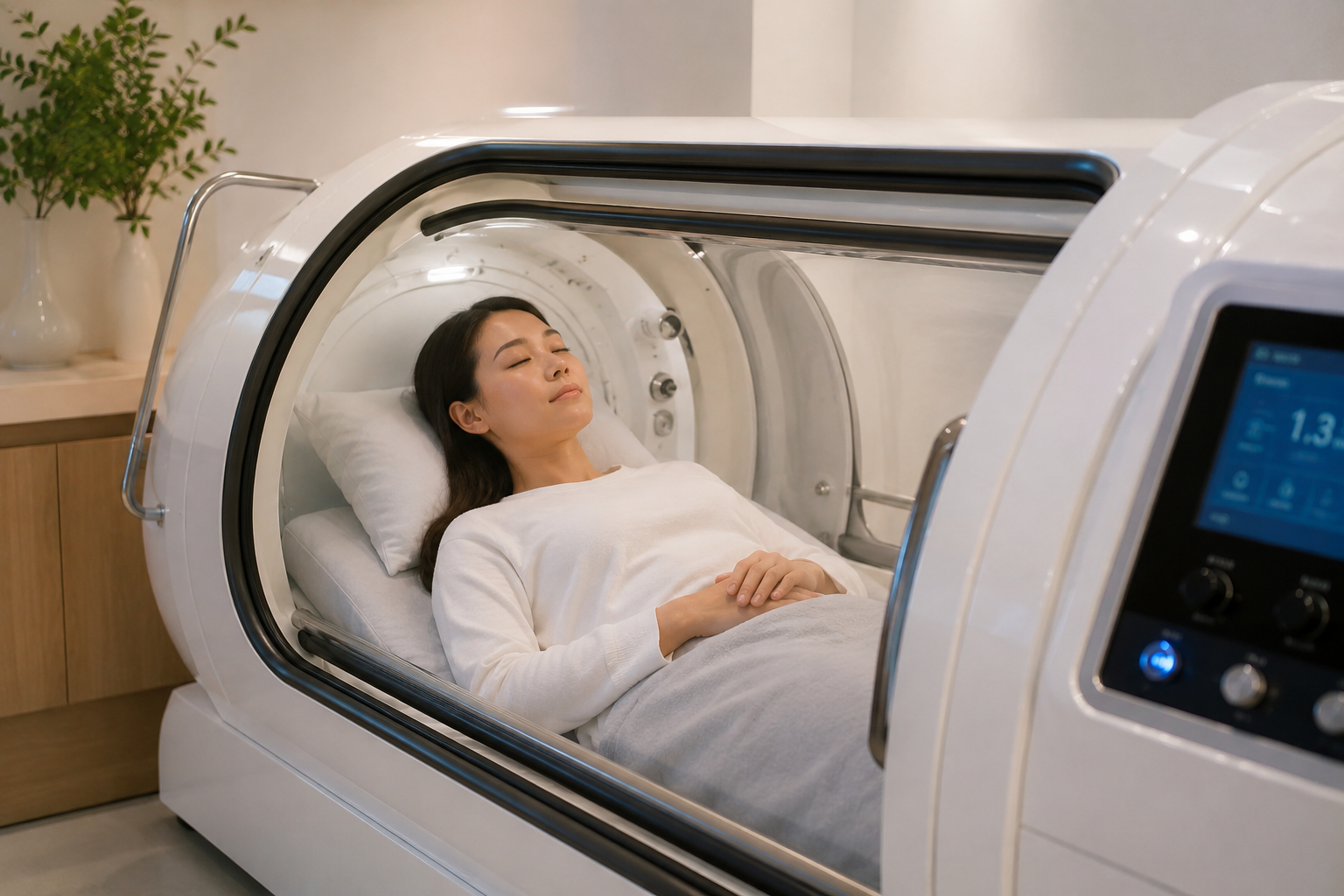
This is where Hyperbaric Oxygen Therapy, or HBOT, is gaining attention within Japanese Healing wellness practices. HBOT involves breathing oxygen in a controlled, pressurised environment, allowing higher levels of oxygen to reach the bloodstream and brain. Oxygen plays a vital role in brain metabolism, neural communication and emotional regulation, all of which are areas commonly affected in individuals with ADHD.
“HBOT is not about forcing the brain to focus,” explains Sayaka Misume from the Japanese Healing wellness centre in Malaysia. “It’s about supporting the brain’s natural recovery and regulation processes. When the nervous system is calmer, focus often improves on its own.”
Emerging research suggests that consistent oxygen support may benefit cognitive function and emotional stability. Some studies have observed improvements in attention span, sleep quality and behavioural regulation in individuals with ADHD following repeated HBOT sessions. While research is still evolving, the growing interest reflects a broader shift toward non-invasive, supportive care.
Families and adults who explore HBOT often describe gradual, cumulative changes rather than immediate transformation. Improved sleep, steadier moods and better daily routines are among the most commonly shared experiences. One Malaysian parent shared, “My child still has energy, but it feels more manageable now. Bedtime has become calmer, and mornings are less stressful for everyone.”
Japanese Healing philosophy views ADHD through a different lens. Rather than seeing it as a deficit, it recognises a nervous system that experiences the world more intensely. The focus is not suppression, but balance. Sessions are quiet, structured and predictable, which is particularly important for individuals who are sensitive to overstimulation.
“Consistency is everything,” Sayaka Misume notes. “A calm, repeatable environment allows the nervous system to settle over time. That’s when meaningful change happens.”
In fast-paced urban settings like Kuala Lumpur, constant exposure to screens, noise and packed schedules can overwhelm both children and adults. HBOT offers a structured pause, giving the brain and body time to reset. At professional wellness centres, guided sessions ensure safety, comfort and proper pacing, especially for first-time users.
Rather than replacing medical treatment or therapy, HBOT within Japanese Healing is positioned as a complementary investment in long-term regulation and wellbeing. For Malaysian families and individuals seeking steadier focus, improved sleep and calmer days, this approach offers a thoughtful, science-informed option rooted in consistency rather than quick fixes.
If you are curious about how the Japanese Healing team can get you started on your journey of feeling better, visit www.japanese-healing.com for more information. To book a session at their outlet in Plaza Damas 3, Kuala Lumpur, Malaysia, contact +6012 656 1388 or write to japanese.healing.kl@gmail.com.