HAZE: Malaysia sends firefighting support to Indonesia
Malaysia is sending an amphibious firefighting aircraft, three helicopters and 52 personnel to Indonesia as Jakarta steps up efforts to contain forest and land fires, highlighting growing regional cooperation over haze, peatland protection and sustainable palm oil.
JAKARTA — Malaysia is sending a specialised firefighting package to Indonesia to help tackle forest and land fires in Kalimantan, strengthening cross border cooperation as Indonesia faces an extended period of heightened fire risk and Southeast Asia once again confronts the threat of haze.
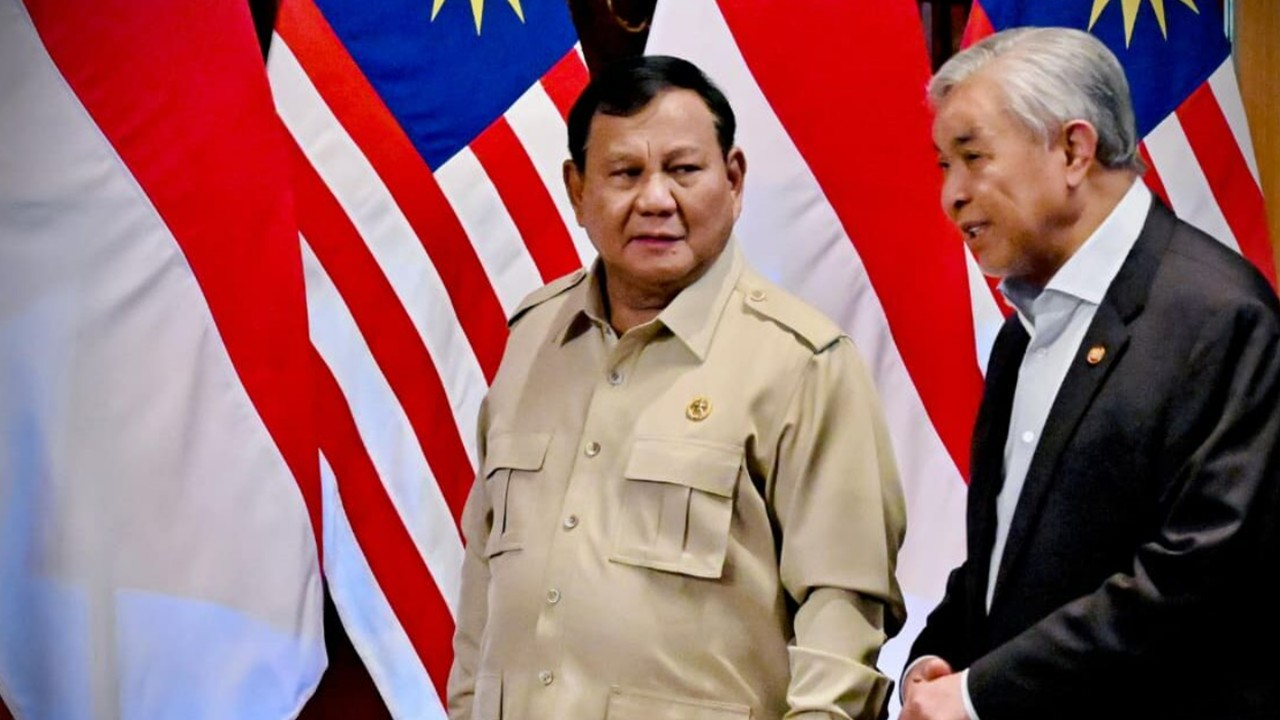
The assistance was discussed during a meeting between Indonesian President Prabowo Subianto and Malaysian Deputy Prime Minister Datuk Seri Dr Ahmad Zahid Hamidi at Prabowo’s residence in Hambalang, West Java, on September 18. According to the Indonesian President’s Office, Malaysia will deploy one aircraft, three helicopters and 52 firefighting personnel to assist Indonesian authorities.
The Malaysian package includes a Bombardier CL 415MP amphibious firefighting aircraft, three helicopters and personnel drawn from the National Disaster Management Agency, Malaysian Maritime Enforcement Agency and Royal Malaysian Air Force. The aircraft has previously been used by Malaysia in firefighting operations in Indonesia.
For the palm oil industry, the development is significant because many of the fires affecting Indonesia occur in landscapes that include agricultural, plantation and peatland areas. The cooperation also comes at a time when Indonesia is placing renewed emphasis on preventing fires rather than relying solely on emergency response once outbreaks have become established.
President Prabowo said the fires were an environmental issue whose consequences extended beyond Indonesia’s borders, with neighbouring countries also affected. He welcomed Malaysia’s offer of assistance and said Indonesia was working towards a more comprehensive prevention system so that major fire outbreaks would not repeatedly develop into regional crises.
The Indonesian government has simultaneously increased pressure on companies and other parties found responsible for illegal burning. Prabowo has ordered firm action against corporations proven to have violated fire prevention rules, including the possible revocation of operating permits following verification and investigation.
The issue has particular relevance for Indonesia’s palm oil sector, one of the country’s most important agricultural industries and a major source of export earnings. Palm oil plantations and their surrounding supply chains have historically been scrutinised during periods of severe fires and haze, making effective fire prevention and rapid response important not only from an environmental perspective but also for the industry’s market access and sustainability credentials.
Indonesia’s current fire season has been aggravated by prolonged dry conditions and an El Niño weather pattern. Reports have indicated that more than 202,000 hectares had burned between January and July, while forestry authorities warned that elevated fire risks could continue into October or early November as the onset of the rainy season is delayed.
The scale and duration of the fires also underline the importance of peatland management. Peat fires can be particularly difficult to extinguish because combustion can continue below the surface, requiring prolonged monitoring and significant resources even after visible flames have been brought under control.
Malaysia’s involvement reflects the reality that forest and land fires in Indonesia can have consequences well beyond the immediate areas affected. Smoke carried across the maritime borders of Southeast Asia has repeatedly affected air quality in Malaysia and Singapore, making fire prevention and emergency response a matter of regional cooperation.
The latest cooperation also builds on Ahmad Zahid’s working visit to Indonesia, during which Malaysia formally offered the firefighting assets to Indonesia. The visit also covers disaster management cooperation, the halal industry and rural development, providing a wider platform for bilateral engagement.
For the palm oil industry, the immediate priority is containment, but the longer term issue is prevention. Better early warning systems, rapid response capabilities, responsible plantation management, peatland protection and enforcement against illegal burning will all influence how Indonesia and its neighbours manage future fire seasons.
The Malaysia Indonesia response therefore represents more than an emergency firefighting operation. It is also a test of how two major palm oil producing countries can cooperate on an environmental challenge that carries implications for communities, agriculture, regional air quality and the international sustainability debate surrounding Southeast Asian palm oil.
This article originally appeared in Oil Palm World