China, ASEAN Push CAFTA 3.0 as Trade Tops US$1 Trillion
China and ASEAN are preparing to implement the CAFTA 3.0 upgrade as bilateral trade exceeds US$1 trillion, with deeper cooperation expected across investment, digital and green industries, supply chains and regional connectivity.
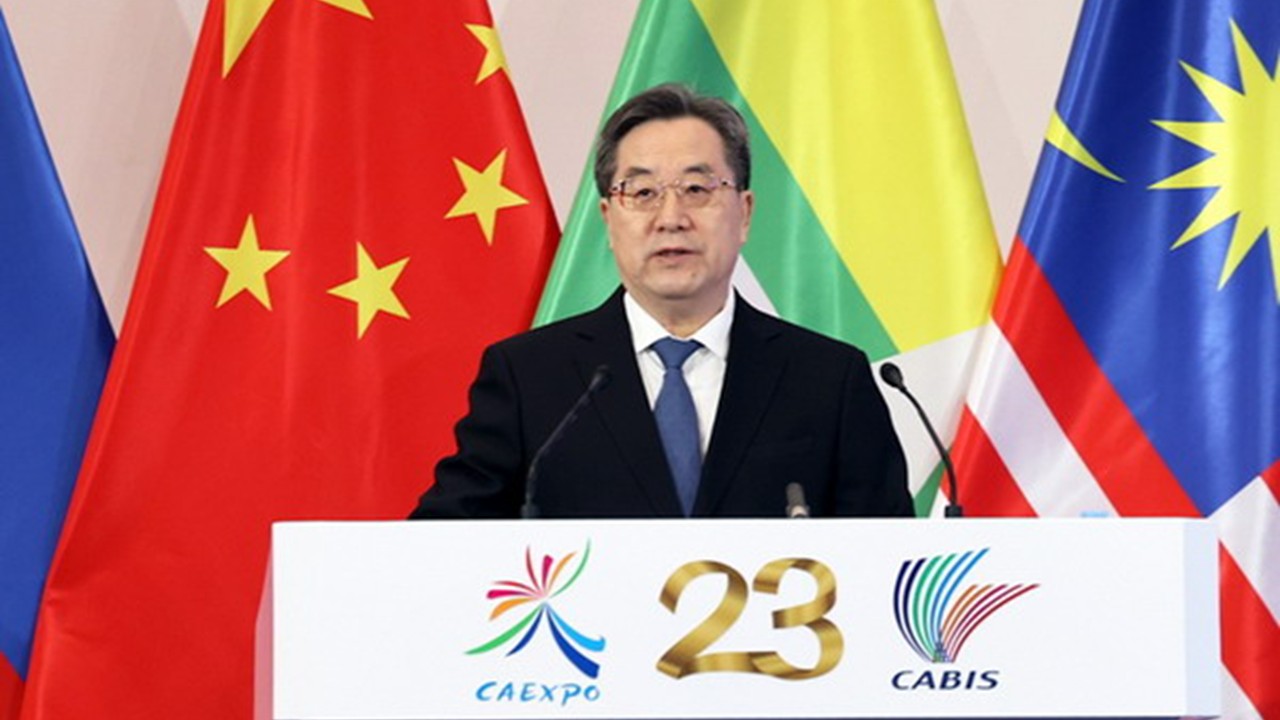
China and ASEAN are preparing to accelerate implementation of the China ASEAN Free Trade Area (CAFTA) 3.0 Upgrade Protocol, with deeper cooperation expected across trade, investment, digital development, green industries and regional connectivity.
Chinese Vice Premier Ding Xuexiang said the upgraded agreement would provide stronger institutional support for economic cooperation as the parties move through their respective legal procedures for its entry into force and implementation.
Speaking at the opening of the 23rd China ASEAN Expo and China ASEAN Business and Investment Summit in Nanning, Ding said CAFTA had developed substantially since negotiations began more than two decades ago.
The original CAFTA framework was launched in 2002, with CAFTA 1.0 completed in 2010. The subsequent 2.0 upgrade expanded cooperation in areas including services and investment, while negotiations on CAFTA 3.0 formally began in 2022.
China ASEAN trade exceeded US$1 trillion in 2025, an 18 fold increase from 2002, while two way cumulative investment has surpassed US$510 billion, according to figures cited by Ding.
China has been ASEAN's largest trading partner for 17 consecutive years, while ASEAN has been China's largest trading partner for six consecutive years.
Ding said CAFTA 3.0 would also strengthen alignment with the Regional Comprehensive Economic Partnership and provide additional momentum for regional economic development.
A key focus will be expanding market access and improving the alignment of standards, technical regulations and conformity assessment procedures.
China and ASEAN are also expected to deepen cooperation on competition policy, consumer protection and support for micro, small and medium enterprises, alongside greater market access in services.
Investment and supply chains will remain another priority. Ding said China was prepared to increase two way investment, expand imports from ASEAN and work with member states to maintain stable industrial and supply chains.
The upgraded agreement is also expected to place greater emphasis on emerging sectors, particularly the digital and green economies.
Ding called for stronger cooperation in technology research and applications, including artificial intelligence, while encouraging efforts to reduce trade barriers affecting environmental goods and services.
Regional connectivity is another major element of the cooperation agenda, covering railways, highways, ports, airports and multimodal logistics.
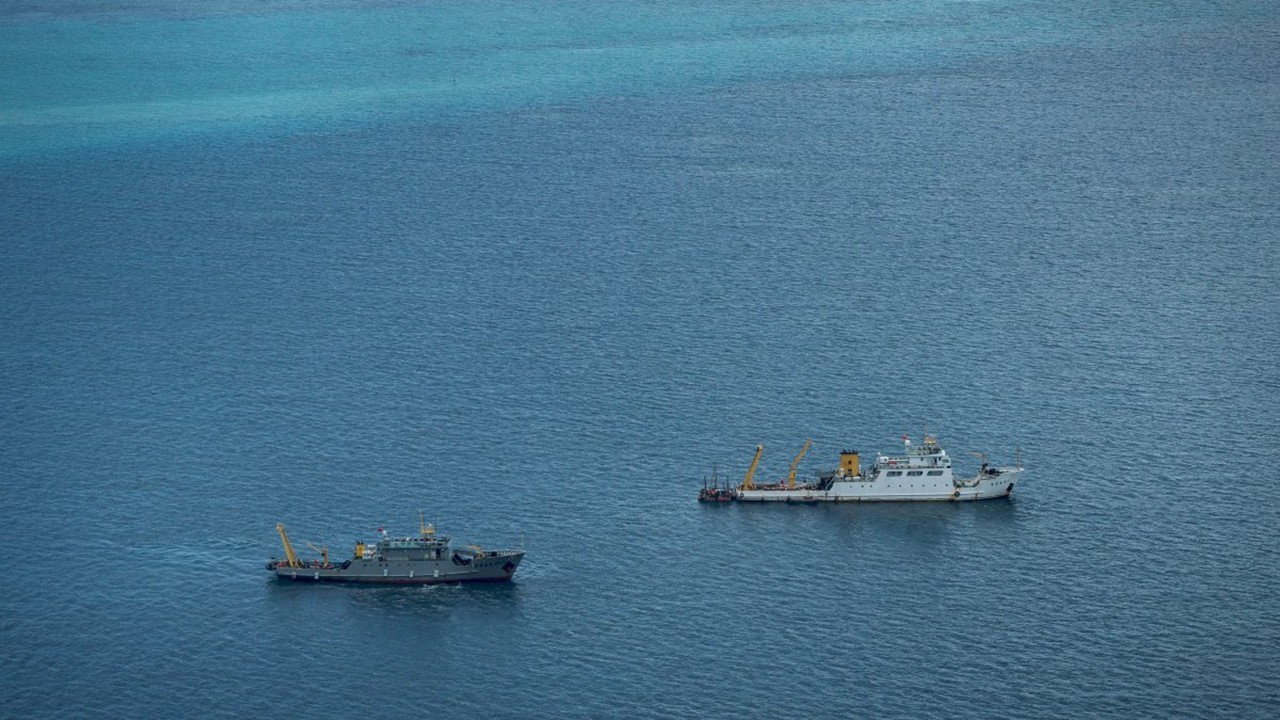
Ding noted that more than 60 per cent of goods traded between China and ASEAN are transported by sea, highlighting the importance of maritime connectivity to regional trade.
He also pointed to the Pinglu Canal, which connects Nanning with Beibu Bay. The canal is expected to shorten transport distances between southwest China and ASEAN by 560 kilometres and reduce logistics costs.
The next phase of CAFTA therefore extends beyond traditional tariff arrangements, with the upgraded framework covering services, investment, technology, supply chains, infrastructure and green development.
The China ASEAN Expo and Business and Investment Summit will continue to provide a platform for governments and businesses to develop cooperation as China and ASEAN move towards implementation of CAFTA 3.0.