

Indonesia Looks to ASEAN 60 as Regional Bloc Enters a New Strategic Era
For Indonesia, the anniversary is therefore not simply a commemoration of ASEAN’s history but an opportunity to consider what the grouping needs to do next. The central message of the Jakarta discussion was that reflection on ASEAN’s past should provide the basis for practical strategic steps towards its next phase.
JAKARTA — Indonesia is using ASEAN’s 59th anniversary as an opportunity to look beyond the bloc’s achievements of the past six decades and focus on how Southeast Asia can strengthen its strategic resilience, cooperation and regional relevance as ASEAN approaches its 60th year.
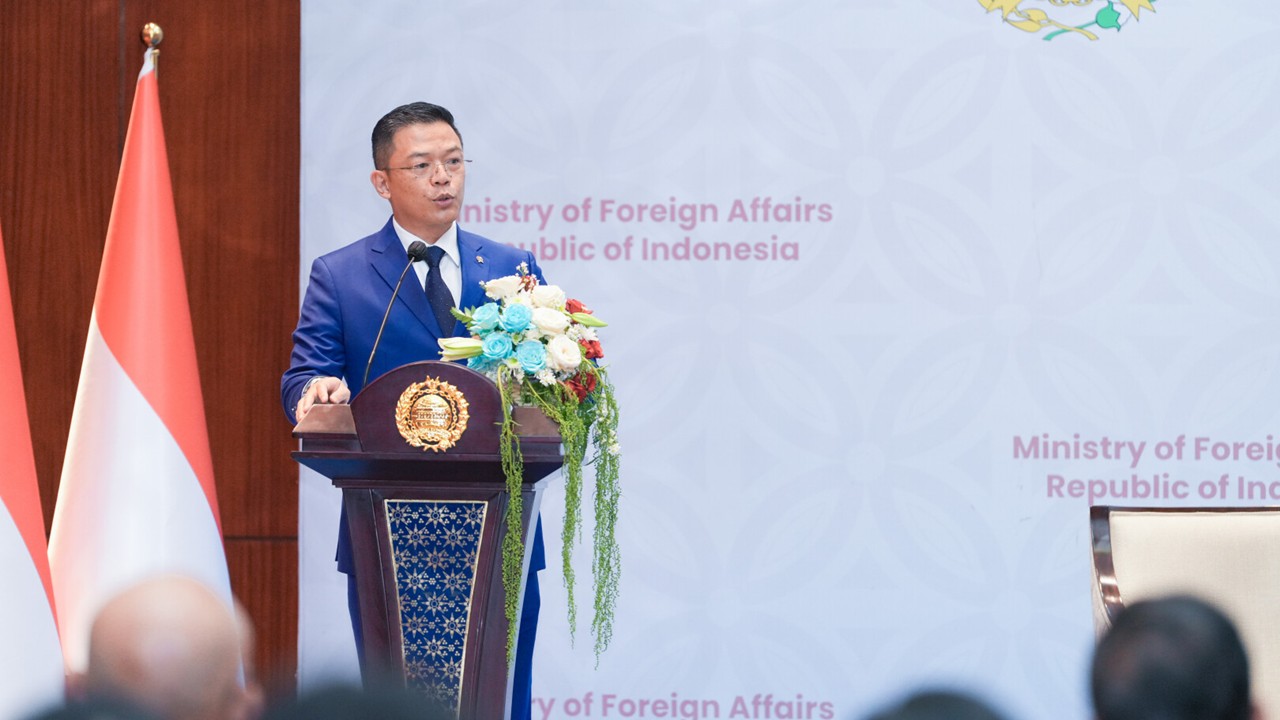
The Indonesian Ministry of Foreign Affairs marked ASEAN Day on Aug 10 with a talk show titled “Reflecting on 59 Years and Strategic Steps Toward ASEAN 60”, placing the organisation’s long regional journey against an increasingly complex geopolitical and economic environment.
The anniversary comes at an important moment for ASEAN. Established on Aug 8, 1967, the organisation has grown from its five founding members, Indonesia, Malaysia, the Philippines, Singapore and Thailand, into an 11 member regional grouping following Timor Leste’s entry in October 2025.
For Indonesia, the anniversary is therefore not simply a commemoration of ASEAN’s history but an opportunity to consider what the grouping needs to do next. The central message of the Jakarta discussion was that reflection on ASEAN’s past should provide the basis for practical strategic steps towards its next phase.
ASEAN’s importance has expanded substantially since its creation. The grouping has become a central platform for political dialogue, economic integration and cooperation across Southeast Asia, while developing relationships with major powers and international organisations. Its regional architecture also gives Southeast Asian countries a collective platform at a time when competition among major powers is reshaping the Indo Pacific.
The challenges facing ASEAN, however, are becoming more complicated. Regional governments must manage geopolitical competition, economic uncertainty, technological disruption, supply chain pressures and security issues while maintaining ASEAN’s traditional emphasis on dialogue, consensus and regional centrality.
These pressures make the transition towards ASEAN 60 particularly significant. The organisation's next phase will require it to remain relevant not only as a diplomatic forum but also as a mechanism capable of delivering practical cooperation on issues affecting businesses, communities and governments across Southeast Asia.
Economic integration is one area where ASEAN has already built a substantial foundation. The bloc has played a major role in regional trade integration and was central to the negotiations that produced the Regional Comprehensive Economic Partnership, the world's largest free trade agreement.
At the same time, ASEAN faces persistent questions about its ability to respond collectively to difficult regional security issues. Myanmar, competing territorial claims in the South China Sea and intensifying United States China competition have tested the organisation's ability to maintain unity while protecting its central role in the regional order.
The ASEAN 60 milestone therefore provides Indonesia and its regional partners with an opportunity to examine whether existing mechanisms remain sufficient for the environment ASEAN now faces.
The Indonesian Foreign Ministry's anniversary programme reflects that broader conversation. ASEAN's past provides the institutional foundation, but the next stage will depend on how effectively member states translate shared principles into strategic cooperation.
As ASEAN moves towards its seventh decade, the question is increasingly less about whether the organisation remains relevant and more about how it can use its collective weight to shape the regional environment around it.
For Indonesia, one of ASEAN's founding members and a major force within the organisation, the road to ASEAN 60 offers a chance to reinforce the bloc's role as a platform for dialogue, economic cooperation and regional stability while preparing it for a more contested and rapidly changing Asian order.