Prabowo Orders Preparation for E50 as Indonesia Pushes Energy Independence
President Prabowo Subianto has ordered Indonesia to begin preparations for an E50 fuel programme, building on the country’s B50 biodiesel experience as Jakarta seeks to reduce fuel import dependence and strengthen domestic energy security.
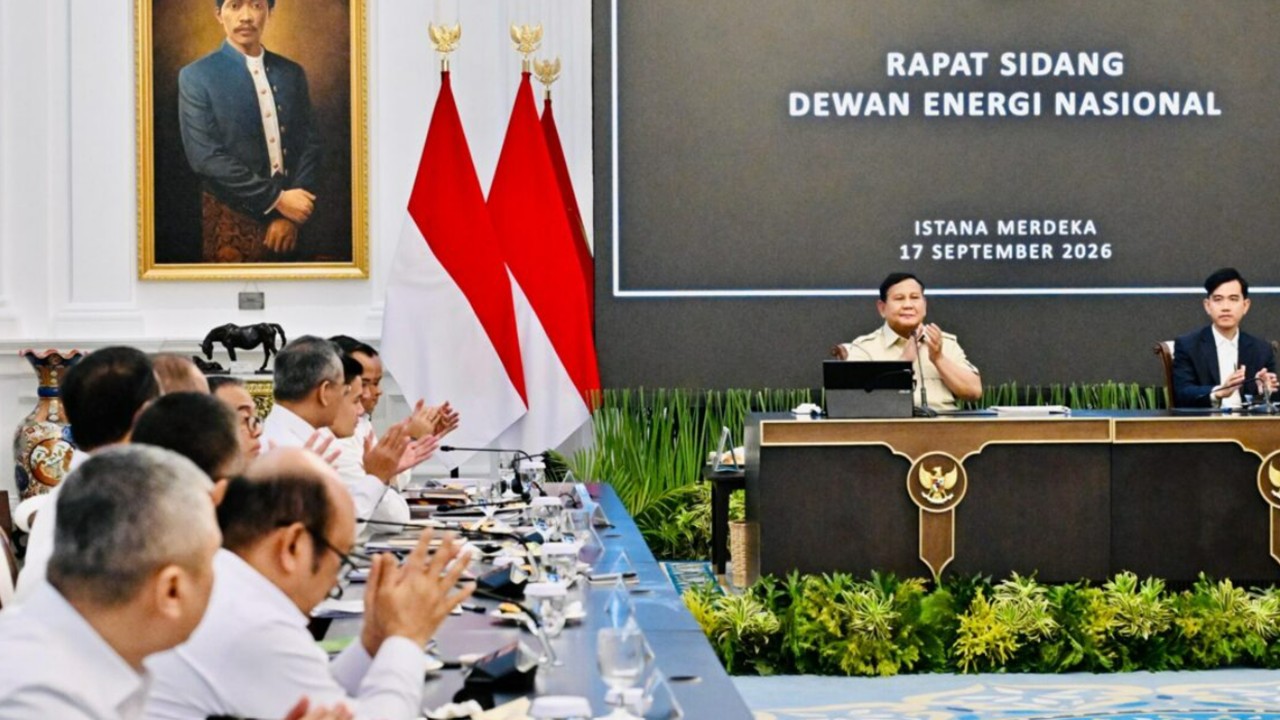
JAKARTA — Indonesian President Prabowo Subianto has instructed the government to begin preparations for an E50 fuel programme as Jakarta seeks to reduce dependence on imported fuel and strengthen domestic energy security.
Prabowo issued the directive while chairing a plenary session of the National Energy Council, where the government discussed national energy policy and measures to strengthen Indonesia’s energy resilience.
Energy and Mineral Resources Minister Bahlil Lahadalia said the President had instructed officials to study the implementation and results of Indonesia’s B50 biodiesel programme and apply relevant lessons to the development of E50.
The directive marks a potential expansion of Indonesia’s domestic biofuel strategy from biodiesel into gasoline, with ethanol expected to form a larger component of the country’s fuel mix.
Indonesia has been expanding the use of domestically produced biofuels as part of efforts to reduce its reliance on imported petroleum products. The B50 programme, which blends 50 per cent biodiesel into diesel fuel, has become a major component of the government’s energy security strategy.
The move towards E50 would extend that approach to gasoline, although the programme remains at the preparation and policy development stage.
Bahlil said the government would examine the experience of B50 before determining the technical and policy requirements for E50. The study is expected to consider issues including feedstock availability, production capacity, infrastructure and implementation.
The push comes alongside efforts to increase Indonesia’s domestic crude oil production. The government is examining new oil basins and blocks while also seeking to improve output from mature fields through technology and more effective management.
Indonesia has thousands of mature oil wells, and the government has identified improved recovery from existing assets as one avenue for strengthening domestic oil supply.
The government is also considering institutional and regulatory changes in the oil and gas sector, including a proposed Special Oil and Gas Business Entity that would report directly to the President.
The broader objective is to reduce Indonesia’s exposure to imported fuel while increasing the contribution of domestic energy resources.
The E50 initiative also creates an important link between Indonesia’s agricultural and energy sectors. As the country increases domestic biofuel consumption, demand for locally produced feedstocks could rise, potentially altering the balance between domestic consumption and exports.
For the palm oil industry, Indonesia’s experience with B50 is particularly significant because biodiesel production relies heavily on palm based feedstock. Higher domestic biodiesel mandates have already increased the amount of palm oil absorbed by the domestic energy market.
An expansion into ethanol based gasoline would broaden Indonesia’s biofuel strategy beyond palm oil, while potentially reducing the country’s overall dependence on petroleum based gasoline.
The government’s approach therefore combines several strands of energy policy: greater domestic biofuel utilisation, increased oil and gas production, improved recovery from mature fields and efforts to strengthen national energy infrastructure.
The E50 preparations will now require further technical assessment before any final implementation framework is established.
For Indonesia, however, the direction is clear: energy security is increasingly being linked to the development and utilisation of domestic resources, with biofuels playing a growing role alongside conventional oil and gas.