

Beyond the Scan: Radiology and the evolving Cancer care journey
We inform, because our interpretation increasingly helps determine what happens next, whether a patient needs a biopsy, surgery, systemic therapy, radiotherapy, intervention, further molecular imaging, or sometimes simply reassurance.
Cancer remains one of the major challenges facing Malaysia, but the issue is not simply the number of people being diagnosed. For many patients, the real challenge is reaching a diagnosis early enough for treatment options to be most effective. Late diagnosis can mean more complex treatment, greater pressure on patients and families and, in some cases, fewer options available to clinicians.
The challenge therefore extends beyond awareness and screening to the wider cancer pathway, including how quickly a suspected cancer is identified, assessed and accurately understood. The impact of cancer is also felt well beyond the hospital. Treatment can place a financial and emotional burden on families, while patients may have to cope with repeated hospital visits, travel, time away from work and the demands of long-term care.
A recent Malaysian study found that cancer related expenses could push already vulnerable households further towards financial hardship, highlighting how the consequences of the disease can extend into almost every part of family life. The cost of managing cancer is therefore not simply measured by the treatment itself, but by the wider disruption it can create for patients, caregivers and the healthcare system.
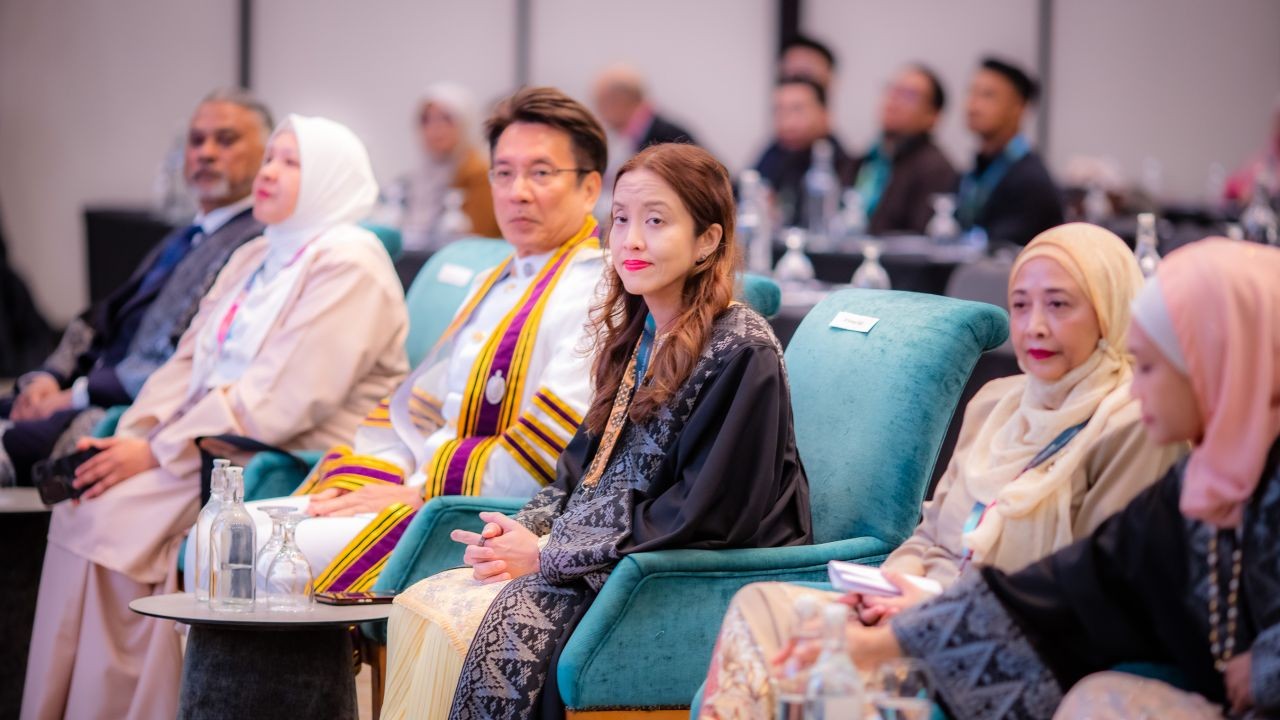
It is against this backdrop that the role of radiology in cancer care is becoming increasingly important. In a recent presentation at the Malaysian Congress of Radiology 2026, Dr Farhana Fadzli highlighted this changing role, arguing that radiologists do more than produce images. Their work helps inform diagnosis, staging and treatment decisions, with advances such as PSMA PET opening new possibilities for more precise and personalised cancer care. As stated by the Congress theme, radiologists "image, inform and impact", reflecting a shift from seeing radiology as a supporting function to recognising it as an active part of the cancer management pathway.
During her opening ceremony speech for the Malaysian Congress of Radiology (MCOR) 2026, Dr Farhana Fadzli clearly stated “We do more than produce images. We provide information that can influence diagnosis, staging, treatment decisions and ultimately patient outcomes. We image, but today, producing and interpreting images is only the beginning.”
The Malaysian Congress of Radiology was a multi-day event that was brought together by the Organising Chair is Professor Dr Norlisah Mohd Ramli with Associate Professor Dr Faizatul Izza Rozalli as Scientific Chair to make the event a success for the professionals involved and related stakeholders. The event also saw an MoU signed between Malaysia and Thailand to expand technical collaboration.
Dr Farhana Fadzli, a Consultant Breast Radiologist and Nuclear Medicine Specialist at Hospital Picaso, believes that while advances in technology and the growing use of artificial intelligence are changing cancer care, some fundamentals remain unchanged. At the centre of that evolution, she says, must remain the patient and their wellbeing.

“We inform, because our interpretation increasingly helps determine what happens next, whether a patient needs a biopsy, surgery, systemic therapy, radiotherapy, intervention, further molecular imaging, or sometimes simply reassurance.” Explained Dr. Farhana who is also the President of the College of Radiology, Academy of Medicine of Malaysia. “And ultimately, we must impact, because the true value of radiology is not measured by the number of examinations we perform or reports we produce, but by how we influence patient care and outcomes.”
“Radiologists may often work in the background and do not always receive the attention given to other medical specialties, but the information we provide can have a profound impact on what happens next for a patient. These discussions matter. The challenges in cancer care are too significant for any one specialty to address alone, and collaboration, innovation and clinical excellence will remain essential.” she said.
The timing of that conversation is particularly relevant. With Pink October and Movember just around the corner, breast and prostate cancer will once again receive greater public attention. But the message should not be to wait for October or November. Awareness, discussion and appropriate medical checks should be part of a year-round approach to health. The earlier a potential problem is investigated, the greater the opportunity for clinicians to understand what they are dealing with and determine the most appropriate path forward.
Advances such as precision imaging such as PSMA PET may be changing what doctors can see and understand, but the first step remains knowing when to seek help. The message, ultimately, is simple: do not wait until October or November to start the conversation.