


Indonesia Targets Higher Seafood Exports Through Japan Market
Indonesia is using the Japan International Seafood & Technology Expo 2026 to expand market access for its fisheries products, strengthen links with Japanese buyers and promote higher value exports from the country’s seafood industry.
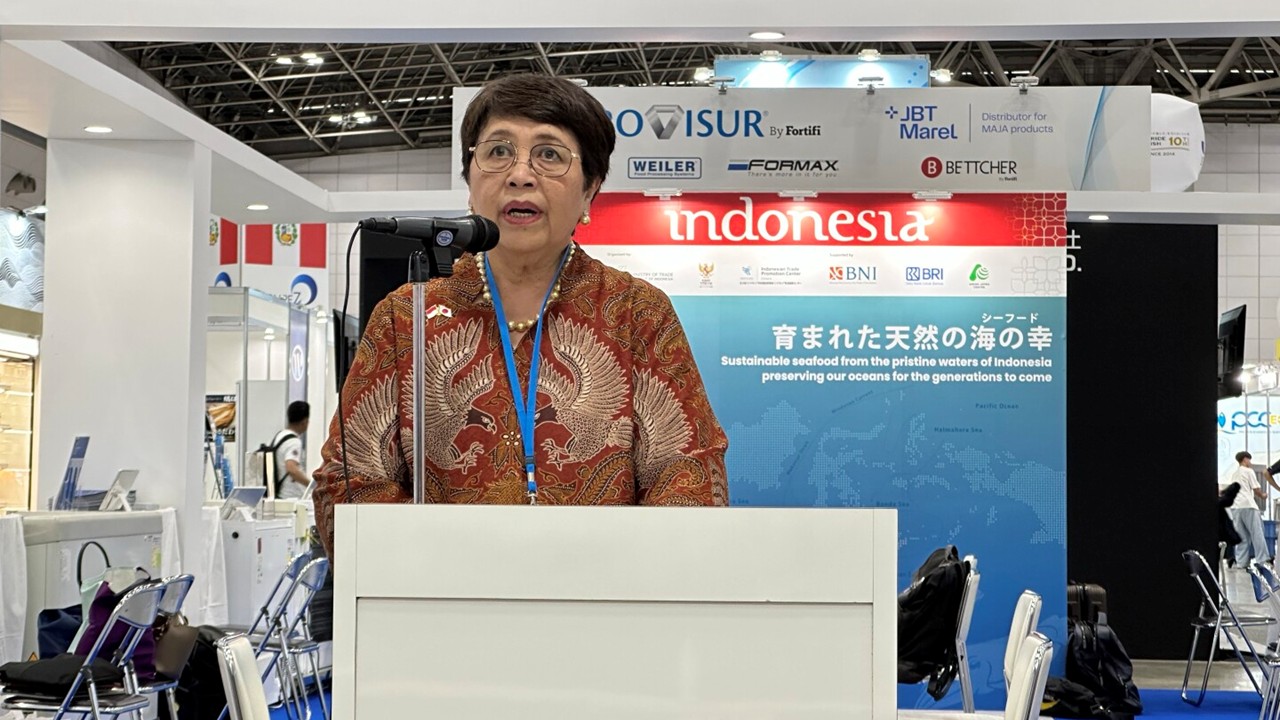
JAKARTA — Indonesia is stepping up efforts to expand its fisheries exports to Japan, using the Japan International Seafood & Technology Expo 2026 as a platform to showcase the country's seafood products and connect Indonesian businesses with international buyers.
The 28th Japan International Seafood & Technology Expo was held from August 19 to 21 at Tokyo Big Sight, bringing together seafood producers, buyers, processors, distributors and technology companies from Japan and overseas. The exhibition is regarded as one of Japan's major international seafood trade events.
Indonesia's participation reflects the country's broader strategy of strengthening seafood exports and expanding access to high value international markets.
Japan is already an important destination for Indonesian fisheries products. Indonesia's seafood exports to Japan were valued at US$398.75 million in 2024, while exports reached US$188.15 million during the first six months of 2025.
Key Indonesian products sold into the Japanese market include shrimp, skipjack tuna, tuna, crab and molluscs.
The Japanese market also presents opportunities for Indonesian suppliers to develop new products and respond to changing consumer demand. Interest in sea urchin, for example, has been increasing as Japan faces declining domestic production linked to overfishing and changes in the marine ecosystem.
Indonesia's presence at the Tokyo exhibition is therefore aimed not only at increasing export volumes but also at creating new commercial relationships and expanding the range of Indonesian seafood products available to Japanese consumers.
For Indonesian exporters, Japan offers a sophisticated market where product quality, food safety, traceability and consistent supply are important considerations. Participation in major international trade exhibitions provides companies with an opportunity to meet buyers directly and understand changing market requirements.
Indonesia's Ambassador to Japan, HE Nurmala Kartini Sjahrir speaking at the event explained “Indonesia, as a maritime country with abundant marine resources, views fisheries products as one of its leading export commodities with significant potential in the Japanese market,”
The event also provides Indonesia with an opportunity to promote the development of its fisheries sector beyond raw commodity exports, including processed and higher value seafood products.
This is increasingly important as Indonesia seeks to capture greater value from its substantial marine and fisheries resources while strengthening the competitiveness of domestic producers.
The push into Japan also comes as seafood markets across Asia continue to offer significant opportunities for exporters. Regional demand is being supported by growing consumption, changing dietary preferences and the expansion of foodservice and retail channels.
For Indonesia, strengthening its position in Japan could therefore serve as part of a wider strategy to diversify fisheries export markets while building stronger relationships with major seafood importing economies.
The government is also seeking to ensure that export growth is supported by improvements in sustainability, quality assurance and processing capacity, areas that are increasingly important in international seafood trade.
With Japan remaining one of Indonesia's major fisheries export destinations, the Tokyo exhibition provides Indonesian companies with a direct platform to deepen commercial relationships and pursue new business opportunities.