Indonesia Mobilises 64 Aircraft and 54,394 Personnel to Fight Forest Fires
Indonesia has deployed 64 aircraft and more than 54,000 personnel since August as the government intensifies efforts to contain forest and land fires, with difficult peatland terrain adding to the challenge of preventing fires and smoke from spreading.
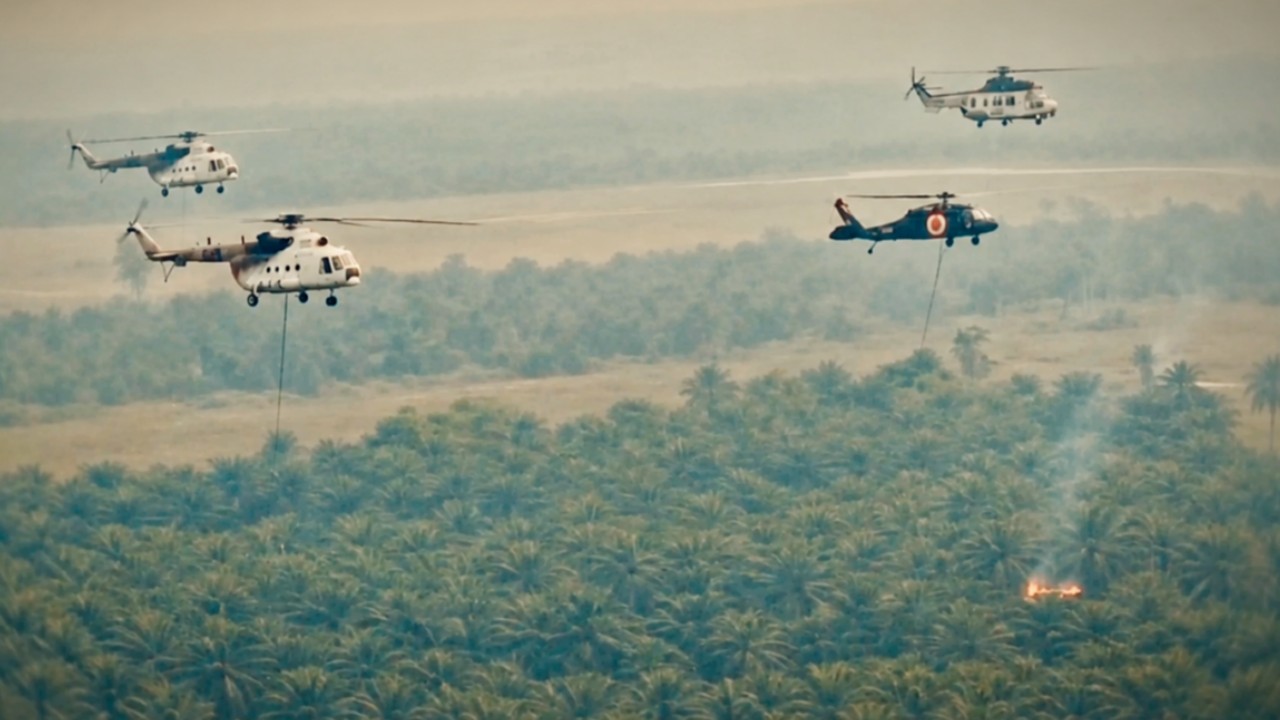
JAKARTA: Indonesia has mobilised a major air and ground operation to tackle forest and land fires across the country, deploying 64 aircraft and 54,394 personnel since August as authorities work to suppress fires and limit their impact on communities.
Cabinet Secretary Teddy Indra Wijaya said on September 20 that the government was continuing to deploy personnel and aircraft to extinguish fires, prevent them from spreading and protect communities affected by smoke and deteriorating air quality.
The aerial operation includes 55 aircraft operated by the National Disaster Management Agency, or BNPB, and nine aircraft belonging to the Indonesian military. The aircraft are being used for water bombing operations over affected areas as part of efforts to contain fires that are difficult to reach from the ground.
The 54,394 personnel deployed in the field include members of the Indonesian military and police, the Ministry of Forestry, BNPB, regional disaster management agencies, Manggala Agni firefighting teams, volunteers and local communities.
The scale of the operation reflects the logistical difficulty of fighting fires across Indonesia's vast territory, particularly in areas containing peatlands. Authorities have identified the size of affected areas and challenging peatland conditions as significant obstacles to firefighting operations.
Peat fires can be particularly difficult to extinguish because burning can continue beneath the surface, sometimes after visible flames have disappeared. This makes sustained ground operations, aerial water bombing and continued monitoring important components of the response.
The government said the operation was aimed not only at extinguishing fires but also at reducing smoke and protecting communities from the wider effects of the disaster.
The latest deployment comes as Indonesia continues to confront the recurring environmental and public health challenges associated with forest and land fires. Smoke from large-scale fires can affect air quality locally and, when weather and wind conditions allow, contribute to transboundary haze across Southeast Asia.
The issue is closely watched in neighbouring Malaysia, particularly in parts of Sarawak and other areas that can be affected by deteriorating regional air quality during periods of extensive fire activity in Indonesia.
The Indonesian response combines military, civilian, specialist firefighting and community resources in an effort to contain outbreaks before they develop into larger fires.
The operation also comes against the backdrop of continued cooperation between Indonesia and Malaysia on forest and land fire management. Both countries have an interest in strengthening coordination as the regional haze issue remains a recurring environmental and public health concern.
For Indonesia, the immediate priority remains containment. With difficult terrain and peatland areas complicating operations, authorities are maintaining both aerial water bombing and large-scale ground deployment to extinguish existing fires and prevent new outbreaks from spreading.
The government said the deployment of aircraft and personnel would continue as authorities work to suppress fires, limit smoke and protect communities from the continuing threat posed by forest and land fires.