

African safaris remain a top luxury travel aspiration for 2027
Destinations such as Kenya's Maasai Mara and Tanzania's Serengeti remain central to the safari experience, particularly during the annual Great Migration, when millions of wildebeest, zebras and other grazing animals move across the Serengeti-Mara ecosystem in search of fresh grazing.
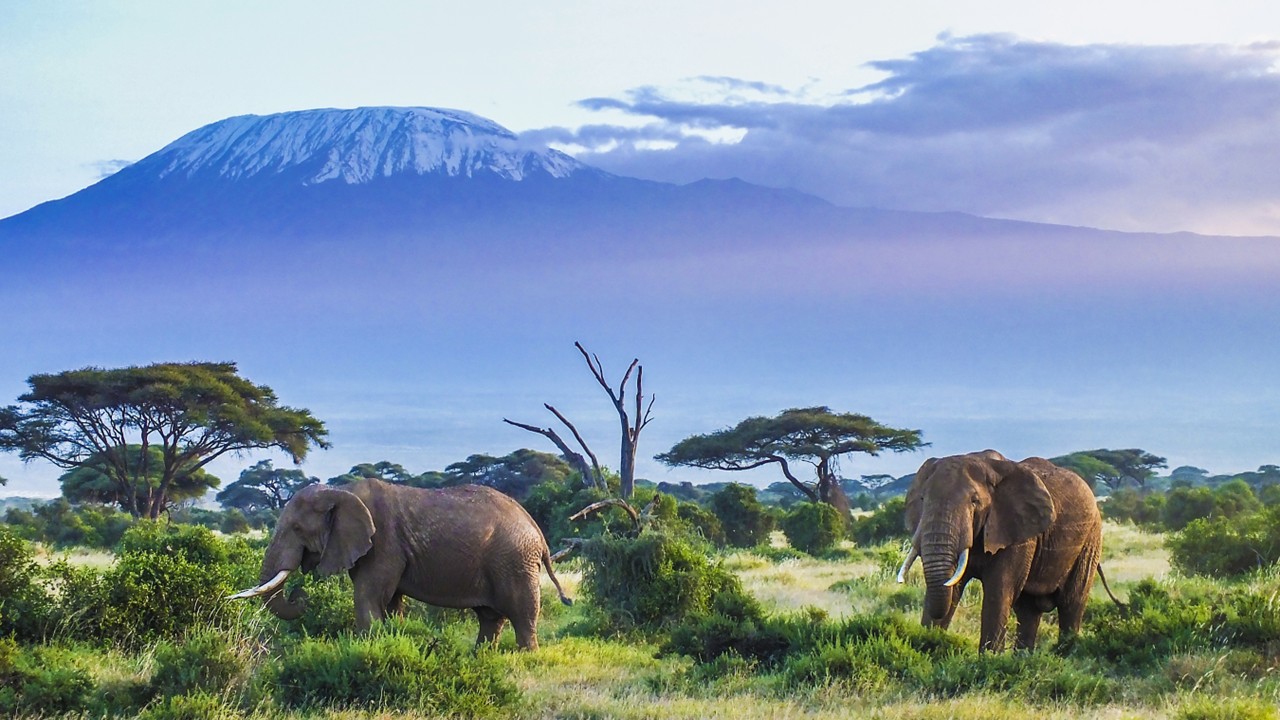
African safaris are continuing to attract luxury travellers planning their next major holiday experiences, with wildlife encounters, exclusive wilderness lodges and tailor-made expeditions emerging as key attractions for those seeking more immersive journeys in 2027.
US-based luxury travel agency Pavlus Travel & Cruise has identified African safaris among its leading bucket-list holiday categories, reflecting sustained demand for journeys through East and Southern Africa that combine wildlife observation with premium accommodation and personalised experiences.
For many travellers, the appeal lies in the opportunity to experience Africa's wildlife in its natural environment, from encounters with elephants, lions, leopards and rhinos to observing large herds of wildebeest and zebras across the continent's vast savannahs.
Destinations such as Kenya's Maasai Mara and Tanzania's Serengeti remain central to the safari experience, particularly during the annual Great Migration, when millions of wildebeest, zebras and other grazing animals move across the Serengeti-Mara ecosystem in search of fresh grazing.
The migration, including dramatic river crossings, has become one of the world's most recognised wildlife spectacles and a major attraction for international visitors.
Southern Africa offers a different experience, with South Africa's Kruger National Park and private game reserves providing opportunities to observe the Big Five – lions, leopards, elephants, rhinos and buffalo – through guided game drives and walking safaris.
Botswana's Okavango Delta is another sought-after destination, offering water-based wildlife experiences through its network of lagoons, waterways and seasonal floodplains. Visitors can explore the region by traditional mokoro canoe, guided by experienced local trackers.
Luxury safari operators are increasingly combining these experiences with high-end wilderness accommodation, including private villas, tented camps and lodges designed to provide close access to nature without compromising comfort.
Other experiences include hot-air balloon safaris over the African plains, guided photography excursions, conservation visits and opportunities to engage with local communities.
The growing interest in safari holidays also reflects a wider luxury travel trend towards experience-led tourism, where travellers place greater value on distinctive encounters, access to remote locations and opportunities to understand the natural environment.
For African destinations, this presents opportunities to strengthen high-value tourism while supporting conservation programmes, local employment and community-based tourism initiatives.
However, the long-term appeal of safari tourism will depend on maintaining a balance between visitor numbers, wildlife protection and the preservation of fragile ecosystems.
As affluent travellers increasingly seek holidays that combine adventure, exclusivity and meaningful experiences, Africa's wildlife destinations are well positioned to remain among the world's most coveted luxury travel choices in 2027.