

Week in Review: Marcos balances diplomacy, housing, peace and economic priorities
Philippine President Ferdinand R. Marcos Jr. spent the week advancing a broad agenda spanning housing, economic development, infrastructure, peacebuilding, climate resilience and international partnerships as Manila continues its 2026 ASEAN chairmanship.
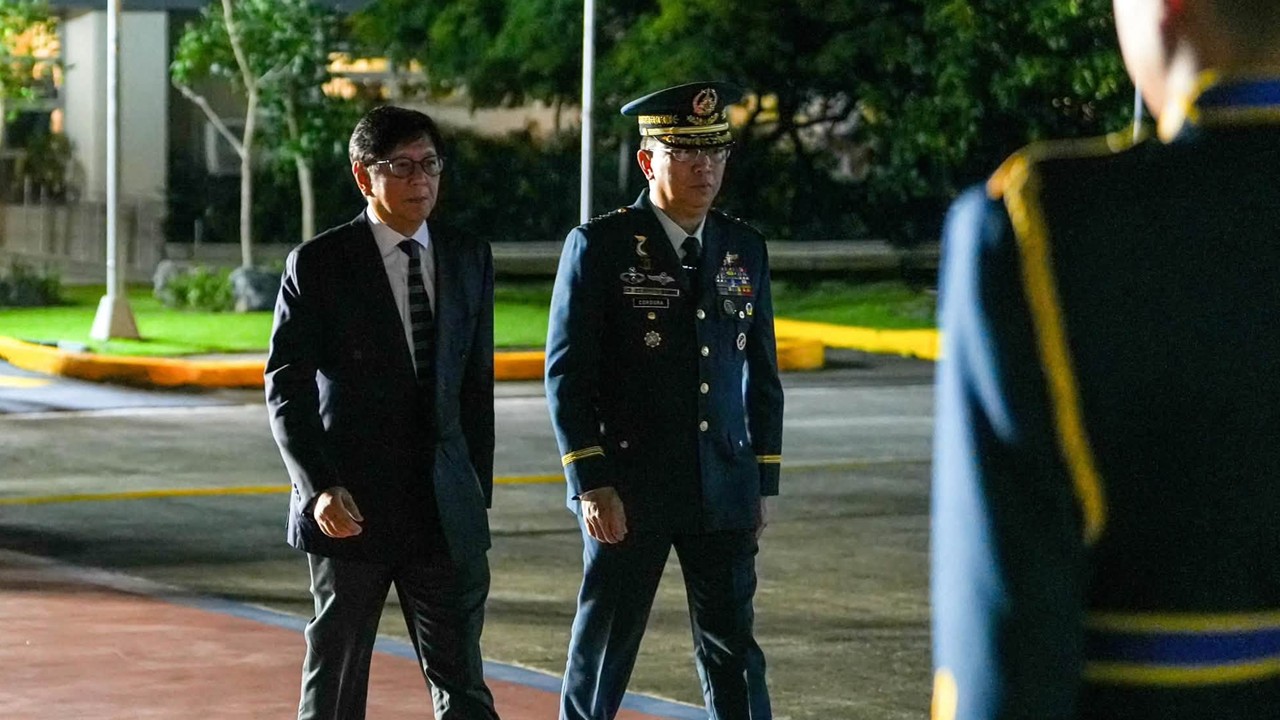
Philippine President Ferdinand R. Marcos Jr. spent the week moving across a broad domestic and international agenda, with diplomacy, housing, peace and public safety alongside efforts to strengthen investment and economic activity.
President Ferdinand R. Marcos Jr.'s latest week of official engagements reflected the breadth of priorities facing his administration, ranging from international relations and economic cooperation to housing, peacebuilding and public safety.
The Presidential Communications Office said the President opened the week with engagements covering diplomacy, housing, peace, public safety and economic initiatives, highlighting an administration seeking to advance both domestic programmes and the Philippines' international partnerships.
Housing remained a prominent domestic priority, with Marcos leading the turnover of 333 housing units at Disiplina Village Arkong Bato in Valenzuela. The project is intended to relocate families from high risk and flood prone communities near the Tullahan River into safer housing with access to schools and healthcare facilities.
The President said nearly 600,000 housing units had been completed between July 2022 and July 2026 under various government housing programmes, including the Expanded 4PH Programme. The administration has positioned housing as part of its wider effort to ensure that economic development translates into improvements in everyday life.
Economic development and investment also featured prominently during the week.
Marcos has continued to promote infrastructure and investment initiatives designed to strengthen the Philippines' position in regional supply chains. Among the projects highlighted by the administration is the Luzon Economic Corridor, linking Subic Bay, Clark, Metro Manila and Batangas.
The corridor is being developed with support from the Philippines, the United States and Japan, with priorities including connectivity, digital infrastructure and industrial development. The President has also described the initiative as part of efforts to attract long term investment into the country.
International engagement remains another major component of the President's agenda.
Earlier this month, Marcos attended the 18th BRICS Summit in New Delhi in his capacity as Chair of ASEAN for 2026. His participation focused on ASEAN priorities including peace and security, people empowerment and economic prosperity.
During the India visit, the Philippines also formally joined the Coalition for Disaster Resilient Infrastructure as its 71st member. Marcos separately met Indian organisations to explore cooperation in railway infrastructure and space technology, including possible collaboration on major Philippine rail projects.
The economic dimension of the India visit was also significant. The Philippine government said the President secured expansion commitments from Indian companies covering areas including agriculture, healthcare, digital payments, aviation, artificial intelligence, telecommunications and other technology driven industries.
These engagements underline Manila's effort to broaden economic partnerships while attracting investment into sectors that can support infrastructure development, technology adoption and employment.
Education and workforce development were also part of the week's broader policy agenda. The administration highlighted efforts to expand technical and professional training, with more than 700 micro credential competency programmes registered between July 2022 and May 2026.
The President also established the Education Philippines or EduPhil programme to promote the Philippines as a destination for international students pursuing higher education, research and training.
Climate resilience and water security featured in discussions with the private sector as well.
At a meeting of the Private Sector Advisory Council, Marcos discussed infrastructure resilience, water security and measures to mitigate flooding around Laguna de Bay and southern Metro Manila. The President also directed agencies to strengthen preparations for possible El Niño conditions and the associated risks of extreme heat and water shortages.
Peace and security have remained another pillar of the administration's agenda, particularly in the Bangsamoro region. The government has linked its continuing implementation of peace agreements, including amnesty and normalisation measures, with the transition of former Moro Islamic Liberation Front combatants towards political participation and the region's democratic institutions.
Taken together, the week's programme illustrates the multiple fronts on which the Marcos administration is operating: strengthening international partnerships, pursuing investment and infrastructure, expanding social programmes and housing, while continuing peacebuilding and preparing for climate and public safety challenges.
The balance between these domestic and international priorities will remain important as the Philippines continues its 2026 ASEAN chairmanship, with Manila seeking to advance regional cooperation on peace, prosperity and people centred development.